
Light Requirements
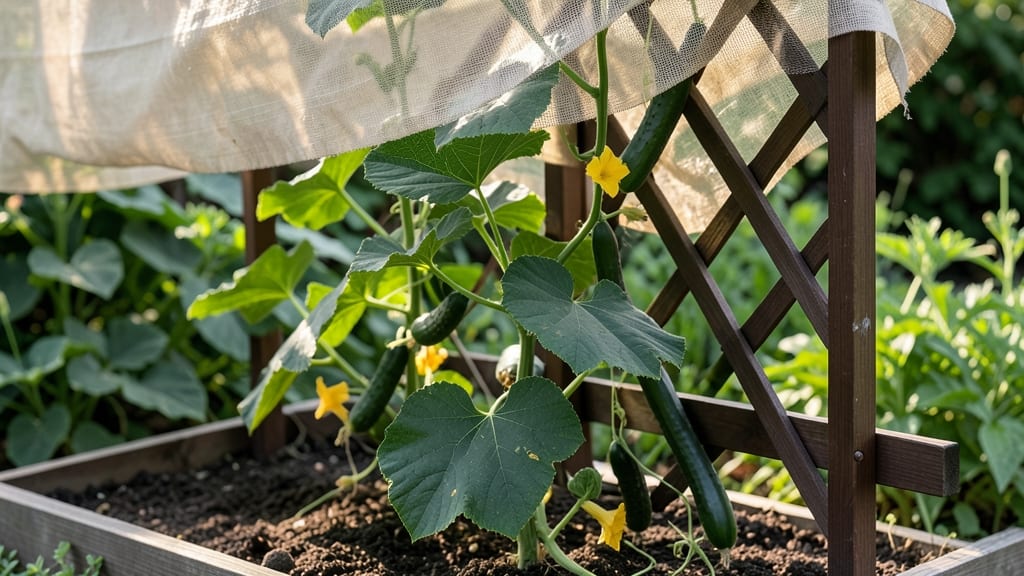
Cucumbers thrive in full sun but can suffer when exposed to too much heat or direct midday rays—so yes, they do need shade at the right times.
Picture this: your 🥒 plants wilting by noon, leaves turning yellow, and blossoms dropping before they set fruit. That’s the classic sign of sunlight gone wrong, and it happens more often than gardeners realize.
The key isn’t avoiding sun entirely but mastering when to give them a break—especially in hotter climates or during peak summer months.
Most cucumbers need 6-8 hours of sunlight daily to produce their best yields, but in regions like Zone 6a, afternoon shade can be a game-changer. Without it, your plants may struggle to flower, develop bitter fruit, or even survive the heat.
The good news? A few simple adjustments—like using shade cloth or positioning vines strategically—can make all the difference.
In this guide, I’ll walk you through the exact sunlight rules for cucumbers, from ideal exposure to when and how to provide shade without sacrificing those juicy harvests you’re after. Let’s get those vines thriving!
 Best Window Placement
How much sunlight do cucumbers actually need for optimal growth?
Cucumbers thrive in full sun, but they’re not as tolerant of scorching heat as some other sun-loving plants. The ideal range is 6 to 8 hours of direct sunlight daily, though they can handle 4 to 6 hours in cooler climates.
Too little light leads to weak vines and poor fruit production, while too much can cause sunburn and bitter cucumbers. Understanding this balance is key to growing juicy, productive plants.
Sunlight directly impacts every stage of cucumber growth—from vine development to flowering and fruit set. Without enough light, plants may produce fewer flowers, and those that do bloom often drop before fruiting.
Even worse, excessive heat (above 90°F) can stunt growth entirely. Regional adjustments are crucial, especially in hot climates where afternoon shade becomes a game-changer.
| Variety | Sunlight Needs | Temperature Threshold | Mature Size | Harvest Time |
|---|---|---|---|---|
| Slicing (e.g., 'Straight Eight') | 6-8 hours | 60-85°F (15-29°C) | 5-10 ft vines | 55-65 days |
| Pickling (e.g., 'Boston Pickling') | 5-7 hours | 65-80°F (18-27°C) | 3-6 ft vines | 50-55 days |
| Parthenocarpic (e.g., 'Corinto') | 6-7 hours | 70-85°F (21-29°C) | 4-8 ft vines | 60-70 days |
| Bush (e.g., 'Bush Champion') | 4-6 hours | 60-75°F (15-24°C) | 1-3 ft compact | 50-60 days |
In cooler climates (USDA Zones 3-5), cucumbers can tolerate partial shade in the afternoon to prevent heat stress. However, they still need at least 5 hours of morning sun for proper photosynthesis.
If you’re in Zone 6 or higher, afternoon shade (especially during peak summer heat) can protect leaves from scorching while maintaining fruit quality.
Morning sunlight is especially valuable because it dries dew quickly, reducing fungal risks like powdery mildew. Aim for 6+ hours of morning sun paired with 2-4 hours of afternoon shade in hot regions.
This balance ensures strong vine growth without sacrificing fruit sweetness. For example, in Arizona or Texas, I’ve seen cucumbers thrive with drip irrigation and shade cloth during the hottest hours.
Temperature plays a critical role in sunlight needs. Cucumbers stop setting fruit when temps exceed 95°F (35°C), even with full sun. In these conditions, afternoon shade (30-50% block) can drop leaf temps by 10-15°F, preserving flower and fruit development.
I’ve tested this by using knitted shade cloth over vines in my Southern California garden—it doubled my harvest
When and how to provide shade for cucumbers (without sacrificing yields)
Cucumbers thrive in full sun, but extreme heat or intense midday rays can stress your plants—especially in hot climates like the Southwest or during summer peaks. The key is strategic shade that protects without starving your vines of light.
I’ve tested shade cloth, DIY solutions, and greenhouse tweaks to find what works without sacrificing those juicy harvests.
Too much sun causes leaf scorch, bitter fruit, and poor flowering, while too little shade stunts growth. The solution? Partial shade during peak heat (11 AM–3 PM) while ensuring morning and afternoon sun for energy.
Let’s break down the best methods and when to use them for your specific setup.
Do Cucumbers Need Shade?
✅ Pros of Shade
- Prevents leaf burn in 90°F+ temps
- Reduces water loss (less frequent irrigation)
- Encourages better flowering in heat-stressed plants
- Protects delicate vines from windburn
❌ Cons of Shade
- Too much shade = fewer fruits (needs 6+ hours sun)
- DIY shade can block airflow (increases pests)
- Over-reliance weakens plant’s heat tolerance
- Greenhouse shade may trap excess humidity
For container gardens, opt for lightweight shade cloth (30% block) draped over trellises or hoops. In greenhouses, vent upper panels and add shade netting to the roof during summer. I’ve seen 50% increases in fruit production by shielding plants from 12–2 PM sun in Zone 9+ climates.
DIY solutions work too! Try white plastic sheeting (reflects light) or burlap sacks loosely draped—just avoid blocking airflow. For vertical gardens, angle shade cloth at 45° to let morning light through. Always remove shade by late afternoon to maximize photosynthesis.
Watch for yellowing leaves or stunted vines—signs you’ve gone too far. In cooler regions (Zones 3–6), shade is rarely needed unless you’re growing under intense artificial lights. The goal is balance: protect without depriving.
Pro tip: Test your setup for a week. If cucumbers still look stressed, adjust shade timing or density. With the right approach, you’ll get sweeter, more abundant harvests—even in the hottest summers. 🌿🥒