
Light Requirements
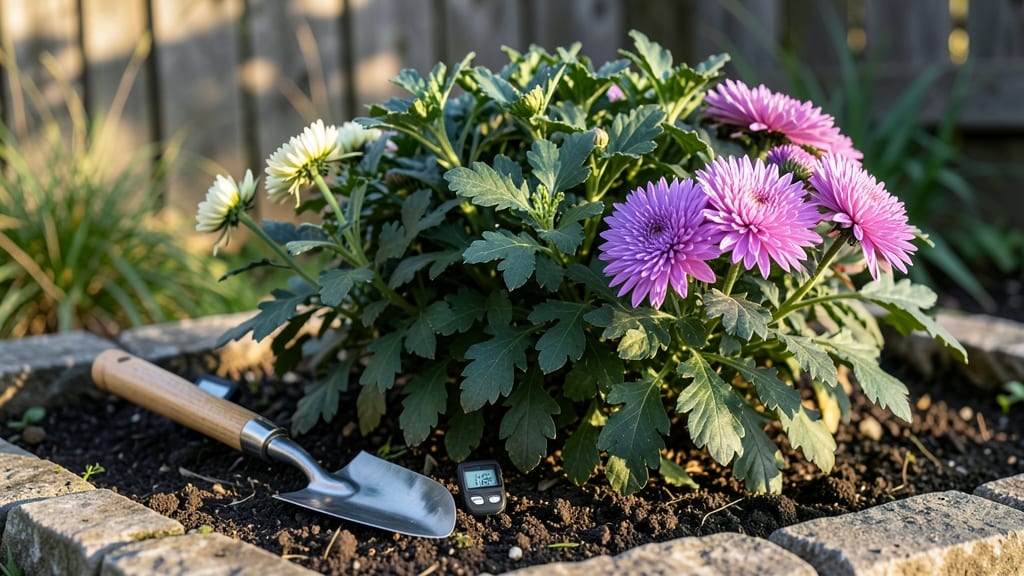
Do mums need sunlight or shade—this question is crucial, since these plants thrive in bright light but can also handle some shade to prevent scorched leaves.
Struggling to keep your 🌼 blooming as vibrantly as the nursery display? The battle between sunlight and shade might be the hidden factor sabotaging your garden’s star performers. Too little light and they’ll stretch weak and leggy; too much and their petals will fade or crisp at the edges.
It’s a delicate act, but getting it right means a fall full of bold color.
Most mums crave 6 to 8 hours of sunlight daily, but regional heat plays a role. In hot climates like Zone 6a, afternoon shade can save them from wilting, while cooler areas may handle full sun all day.
The trick is watching their leaves—they’ll tell you exactly what they need.
Below, I break down how to adjust light exposure for your location, spot the signs of over- or under-lighting, and keep your mums looking their best from spring planting through fall harvest.
 Best Window Placement
The ideal sunlight requirements for mums to thrive and bloom
If you've ever wondered do mums need sunlight or shade, the answer is clear: most varieties thrive in 6+ hours of sunlight daily, but they can adapt to partial shade with the right care.
Mums (chrysanthemums) are versatile, but their blooming potential depends heavily on light exposure. Too little sun leads to sparse flowers, while too much can scorch delicate petals—finding the balance is key to vibrant, long-lasting blooms.
For gardeners in hot, dry climates, partial afternoon shade helps prevent stress, while cooler regions can handle full sun without issue. The trick is observing your plants and adjusting their light exposure as seasons change.
Let’s break down the ideal conditions and how to optimize them for your garden’s unique conditions.
🌼 Key Insight: Mums need bright light to trigger blooming, but shade can protect them during extreme heat or intense midday sun.
| Mum Variety | Sunlight Needs | Shade Tolerance | Best For |
|---|---|---|---|
| Standard Mums | 6+ hours full sun | Partial shade in hot climates | Borders, garden beds |
| Dwarf Mums | 4-6 hours sun | Tolerates partial shade | Containers, window boxes |
| Spray Mums | 5-6 hours sun | Needs afternoon shade | Shady borders, woodland gardens |
| Pompon Mums | 6+ hours full sun | Sensitive to shade | Full-sun gardens, pots |
Standard mums, like the classic yellow or red varieties, demand full sun to produce their showstopping blooms, while dwarf mums can handle 4-6 hours of light, making them perfect for containers or partial shade gardens.
If you’re growing spray mums (like the popular 'Bonanza' series), they’ll reward you with lush foliage and flowers if given morning sun and afternoon shade, especially in hotter zones.
Regional differences matter too. In USDA Zone 5 or cooler, mums can bask in full sun all day, but in Zone 8 or hotter climates, afternoon shade becomes essential to prevent wilting or sunburn.
Even a simple light-colored shade cloth (30-50% block) can make a world of difference during peak summer heat.
To gauge whether your mums are getting the right light, watch for their growth habits. Healthy mums grow compact and bushy with bold, vibrant blooms. If stems stretch tall and leaves space out, they’re reaching for more light—time to move them to a sunnier spot.
Conversely, if leaves yellow or flowers fade, they might be getting too much shade.
Seasonal adjustments are also critical. In spring and fall, when temperatures are mild, mums can handle full sun without stress. But during summer’s intense heat, even sun-loving varieties may need a break from midday rays.
A trick I use is placing mums near taller plants or structures that cast dappled shade, giving them indirect light while protecting them from harsh conditions.
For container gardeners, position pots where they’ll receive at least 6 hours of morning sun, then shift them to a shadier spot in the afternoon if needed. This flexibility helps mums thrive in small spaces, whether on a patio, balcony, or windowsill.
Just ensure pots have drainage holes to prevent root rot from overwatering in low-light conditions.
Pro tip: If your mums aren’t blooming as expected, it’s often a light issue. Deadhead spent flowers to encourage new blooms, but also reassess their sunlight exposure. Sometimes, a simple move to a sunnier location is all they need to rebound and flourish.
🌱 Remember: Mums are adaptable, but they won’t perform at their best without the right light. Experiment with their placement, and don’t be afraid to adjust as seasons change—your garden’s star performers will thank you with bold, long-lasting blooms all season long.
Signs your mums are getting too much sun or too little shade
Your chrysanthemums (mums) might look stunning at the nursery, but once they're in your garden, they can quickly show signs of light stress. Too much direct sunlight or insufficient partial shade can turn those vibrant blooms into a sad, leggy mess.
Understanding these visual cues will help you diagnose and fix the issue before it's too late.
Mums thrive with 6+ hours of sunlight daily, but their tolerance varies by climate. In hot, dry regions, they may need afternoon shade, while cooler zones can handle full sun.
The key is watching for physical symptoms that reveal whether your plants are sunburned or stretched out from lack of light.
⚠️ Light Stress Warning Signs for Mums
Too Much Sun: Crispy, brown leaf edges (sunburn) or bleached petals that lose color. Leaves may appear dry and papery.
Too Little Shade: Leggy stems stretching toward light, small, sparse blooms, and yellowing leaves at the base.
Fix It: Move plants to dappled shade (like under trees) or use shade cloth in intense afternoon sun. For shady spots, supplement with a grow light for 4-6 hours daily.
Start by examining the leaves—they’re the first to show stress. If you spot white or brown patches on the upper leaves, your mums are likely overheating in direct sun.
On the flip side, if the lower leaves yellow and stems stretch unnaturally, they’re begging for more light. These signs often appear within 2-4 weeks of improper light exposure.
Don’t ignore bloom quality either. Mums exposed to too much heat may produce faded, smaller flowers with less vibrancy. In contrast, plants in low light might bloom late or not at all.
The goal is balanced light—think of it like Goldilocks: not too hot, not too dim, but just right for those showstopping blooms.
For a quick fix, rotate your pots every few days to ensure even light exposure. If your mums are in the ground, consider planting companions like tall grasses or shrubs to provide natural shade during peak sun hours.
In containers, move them to a shadier spot by midday if you notice stress signs early in the day.
Remember, seasonal adjustments matter too. Mums planted in spring may need full sun, but by summer, they might prefer afternoon shade. Keep an eye on their growth patterns and adjust their location as needed.
With these tips, your mums will bounce back from light stress and reward you with lush, colorful blooms all season long. 🌼