
Orchid Care
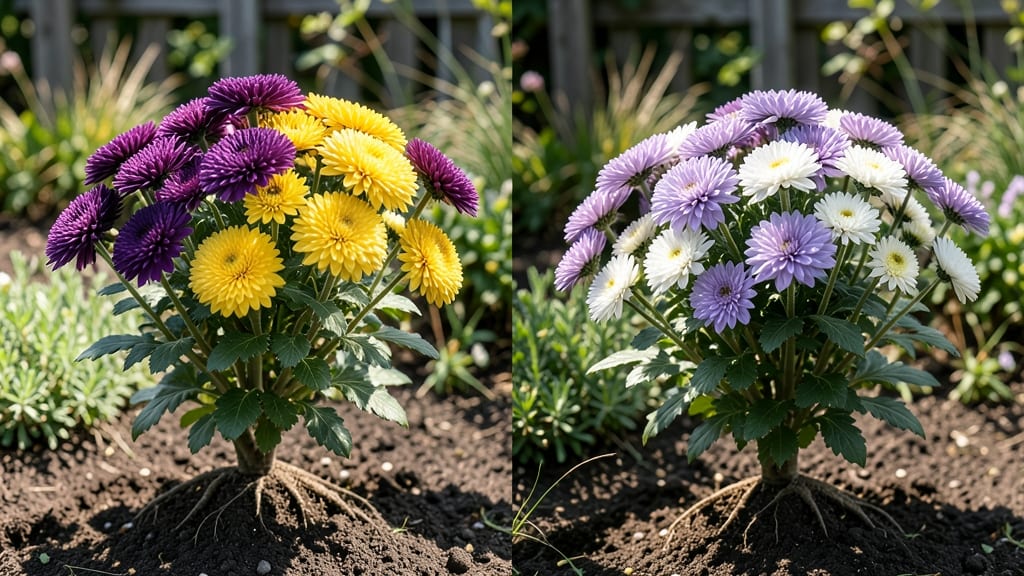
Mums need full sun to partial shade to thrive 🌼, but striking the right balance is the secret to those showstopping fall blooms you’ve been dreaming of.
Picture this: you’ve spent weeks nurturing your mums, only for them to flop over or produce sparse flowers. The culprit? Too much shade in spring or scorching afternoon sun in summer. Most gardeners assume mums are low-maintenance, but light exposure is their most critical factor.
In zone 6a, where spring planting kicks off in March, mums crave 6+ hours of sunlight daily—but not the harsh midday glare. Here’s how to decode their needs, from spotting overwatered leaves to adjusting for summer heatwaves.
You’ll learn the exact sun-shade ratio for your variety, how to fix leggy stems in 3 simple steps, and why your mums might be struggling even if they’re in "full sun." Let’s get those blooms popping!
 Best Window Placement
Ideal sunlight requirements for mums: how much light do they really need?
Mums thrive when they receive the right balance of sunlight, but many gardeners struggle to determine whether they need full sun or partial shade.
The truth lies somewhere in between—most varieties flourish with 6 to 8 hours of sunlight daily, though their needs can shift based on climate and variety. Understanding this spectrum ensures your mums produce bold, vibrant blooms instead of sparse or weak stems.
Sunlight triggers chlorophyll production and flower development in mums, but too much direct sun—especially in hot climates—can scorch leaves. Meanwhile, insufficient light leads to leggy growth and fewer blooms.
The key is finding that sweet spot where your plants get enough energy to thrive without stress. Let’s break down the science and practical tips to get it right.
🌼 Summary Table: Mum Sunlight Needs
| Variety Type | Sunlight Needs | Regional Adjustments | Seasonal Notes |
|---|---|---|---|
| Standard Mums | 6-8 hours full sun | Hot climates: 4-6 hours + afternoon shade | Spring/Summer: Morning sun; Fall: Full sun |
| Dwarf Mums | 4-6 hours partial shade | Cooler zones: 6+ hours full sun | Year-round: Dappled light preferred |
| Spray Mums | 5-7 hours filtered sun | Urban gardens: East/west-facing best | Summer: Light shade; Fall: Full sun |
For standard mums, aim for 6 to 8 hours of full sun daily, especially in cooler climates like USDA Zones 5-7. These varieties produce the most abundant blooms when they receive consistent sunlight, particularly during their peak growing season from late summer to fall.
In hotter regions (Zones 8-10), however, afternoon shade becomes crucial to prevent leaf burn and wilting.
If you’re growing dwarf mums, they’re more adaptable to partial shade, thriving with just 4 to 6 hours of sunlight. These compact varieties are perfect for containers or shaded garden beds, making them ideal for urban gardeners with limited full-sun spots.
However, even dwarf mums benefit from morning sun to kickstart their blooming cycle.
Seasonal adjustments are key. In spring and early summer, mums focus on foliage growth, so they can handle slightly less direct sun. But as fall approaches, increase their sunlight exposure to 6+ hours daily to trigger robust flowering.
This shift mimics their natural growing cycle, where cooler temperatures and longer daylight hours signal blooming time.
Regional differences play a huge role. In hot, dry climates like Arizona or Southern California, mums often struggle with midday sun. To protect them, plant near structures that cast afternoon shade or use shade cloth (30-50% coverage).
Conversely, in cooler, northern climates, mums can handle full sun year-round, provided the soil stays moist.
One common misconception is that mums need full sun all day, but this isn’t always true. Over-exposure to sun can lead to bleached or crispy leaves, while too little light results in stretched, weak stems and fewer blooms.
The solution? Monitor your plants closely and adjust their placement as the seasons change. For example, move potted mums to a sunnier spot in fall or provide afternoon shade in summer.
Pro tip: Observe your mums’ leaf color and growth pattern. Healthy leaves should be deep green and upright, while yellowing or drooping signals stress from either too much sun or insufficient light.
If you notice leggy stems, it’s time to relocate them to a brighter spot. Conversely, if leaves appear scorched or white, they need more shade.
To maximize blooms, pair proper sunlight with well-draining soil and regular watering. Mums in full sun require consistent moisture to prevent stress, while those in partial shade can tolerate slightly drier conditions.
Mulching around the base of your plants helps retain moisture and regulate soil temperature, creating the perfect environment for vibrant, long-lasting blooms.
Remember, the goal is to mimic their natural habitat—open fields with dappled sunlight—while adapting to your local climate. With the right balance, your mums will reward you with a spectacular fall display that lasts for weeks. Happy gardening! 🌿
Signs your mums are getting too much sun or shade (and how to fix it)
Your chrysanthemums might be sending SOS signals if their light exposure is off-kilter. Too much direct sunlight can scorch leaves, while insufficient light stunts growth and blooms.
Urban gardeners often overlook shade from buildings, while rural growers may underestimate afternoon sun intensity. Let’s decode these clues to rescue your fall favorites.
Start by checking your mums’ foliage. Yellowing leaves with crispy edges? That’s a classic sunburn warning. In contrast, pale, sparse leaves with long, leggy stems scream for more sunlight exposure. Both extremes mean your plants aren’t thriving—and fixing it starts with understanding their light tolerance limits.
⚠️ Mums Need Balance
Too much sun = browned, crispy leaves and stunted blooms. Too little sun = weak stems and fewer flowers. Ideal light: 6+ hours of morning sun with afternoon shade in hot climates. Urban tip: South-facing windows or east-west garden beds work best.
For urban gardeners, shade from tall buildings or trees can trick you into thinking your mums need more sun. Test their current spot by placing a white board near the plants for a few hours—if it’s too hot to touch, your mums are getting excessive sunlight.
Move them to a partially shaded area or use lightweight shade cloth (30-50% coverage) to filter harsh rays.
If your mums are stretched out with bare stems and tiny buds, they’re begging for more light. Prune back overgrown foliage to encourage bushier growth, then relocate them to a sunnier spot. Rural gardeners often face the opposite issue—afternoon sun can be brutal.
Try drip irrigation during peak heat hours to keep leaves cool and hydrated.
Don’t forget mulching! A 2-3 inch layer of organic mulch (like straw or shredded leaves) helps regulate soil temperature and retains moisture. This reduces heat stress from overhead sun while keeping roots cool.
For container mums, choose terracotta pots—they breathe better and prevent root overheating in full sun.
Seasonal tweaks matter too. In summer’s peak heat, mums thrive with morning sun only, while early fall benefits from extended daylight. Adjust their placement monthly to match sun angle shifts. With these fixes, your mums will rebound with bold blooms and lush foliage—no guesswork needed!