
Plants
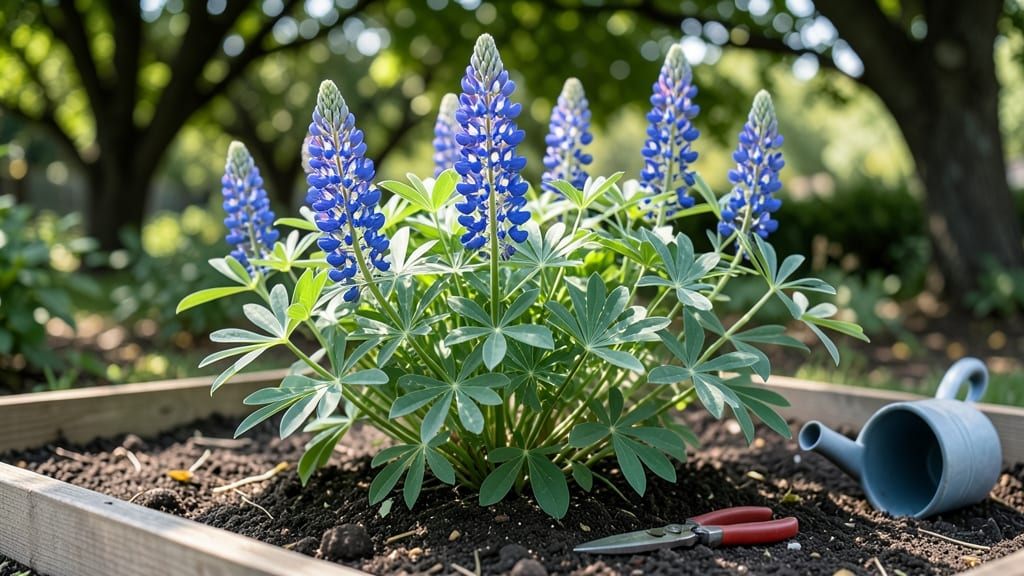
Wondering do lupins like sun or shade? They thrive in full sun but reveal their partial-shade magic in hot climates—taller stems, more blooms, and better disease resistance when they get their preferred 6-8 hours of sunlight. ✨ I've grown them in both, and the difference is striking. daily.
Too much shade, and you'll get leggy plants with fewer flowers, but they still perform better than most perennials in dappled light.
The secret lies in their native Mediterranean roots—lupins crave warmth but hate scorching heat. In Zone 7 and hotter, aim for morning sun and afternoon shade to prevent wilting. Amend heavy clay soil with compost to improve drainage, and space them 18-24 inches apart for sturdy stems that won't flop.
Their deep roots mean they're drought-tolerant once established, but mulch helps retain moisture during dry spells.
What you'll end up with is 6-foot-tall spikes of pea-like blooms that attract hummingbirds and bees while adding vertical drama to your garden. The foliage stays lush and green, and the plants rebloom reliably if you deadhead spent flowers. They're also deer-resistant, making them a low-maintenance star for problem areas.
For regional tweaks, northern gardeners can push lupins into partial shade to extend their season, while southern growers should prioritize afternoon shade. Pair them with salvias, lavender, or ornamental grasses for a Mediterranean-style border that thrives with minimal fuss.
The key is matching their light needs to your climate—not the other way around.
📚 In This Guide
- What you need
- Instructions
- Tips and common mistakes
- Wrapping up and next steps
What you need
- ● Lupin Seeds or Seedlings: Choose Lupinus polyphyllus (tall garden lupin) or Lupinus nootkatensis (dwarf lupin) based on your space and sunlight.
- ● Quantity: 10–20 seeds per 10 sq ft of garden space (or 1–2 seedlings per plant).
- ● Well-Draining Soil: Required: Mix garden soil with compost or aged manure (1 part compost to 3 parts soil).
- ○ Optional: Add perlite or sand (10% volume) for extra drainage.
- ● Fertilizer: Low-phosphorus fertilizer (e.g., 5-10-10 NPK ratio) or organic options like bone meal or fish emulsion.
- ● Quantity: 1 tbsp per plant at planting time.
- ● Mulch: Recommended: Wood chips or straw (2–3 inches thick) to retain moisture and suppress weeds.
- ● Support Stakes: 3–4 ft bamboo stakes or metal cages for tall varieties (Lupinus polyphyllus).
- ● Drip Irrigation System: For consistent moisture without overwatering.
- ● Pruners: Sharp bypass pruners for deadheading spent blooms.
- ● pH Test Kit: Lupins prefer neutral to slightly alkaline soil (pH 6.0–7.5).
- ● Shade Cloth (Lightweight): 30–50% shade cloth if your lupins are in hotter climates.
How to position lupins for maximum blooms in partial sun
Lupins thrive in bright light but need protection from harsh afternoon sun—here's how to balance their needs for stunning, towering flowers.
☀️ Step 1: Choose the Perfect Spot with Morning Sun
Lupins love 6-8 hours of sunlight daily, but they'll scorch in hot afternoon sun—especially in southern exposures. I always place mine where they receive full morning sun (until 11 AM) and dappled shade (through trees or a lattice) for the afternoon. This mimics their native Mediterranean climate where they avoid midday intensity.
Test your spot by observing how sunlight moves across the area. If the ground stays dry and warm by mid-afternoon, it's too harsh. Lupins will tell you if they're struggling—leaves will yellow and stems weaken when exposed to too much heat. A north-facing border or east-facing bed works best in most climates.
🌿 Step 2: Amend Soil for Drainage and Nutrients
Lupins hate soggy roots, so I always mix 2-3 inches of coarse sand or perlite into the planting hole to improve drainage. Their native soil is well-drained and slightly alkaline—aim for a pH between 6.0-7.0. If your soil tests lower, add pelletized lime at planting time (follow package rates).
Work in 2-3 inches of compost at the bottom of the hole to provide nutrients without compacting. Lupins are heavy feeders, but too much nitrogen makes them leafy and weak-stemmed. A balanced 10-10-10 fertilizer at planting gives them just enough to start strong without flopping over.
🪴 Step 3: Plant at the Right Depth for Stability
Dig holes twice as wide as the lupin's root ball but only as deep as the top of the root ball. Lupins have taproots that grow deep—burying too deep suffocates them, while planting too shallow makes them top-heavy and prone to flopping. I always firm the soil gently around the roots, creating a slight mound to encourage drainage.
Space lupins 18-24 inches apart in rows 24-30 inches apart—this gives them room to grow their signature 3-6 foot tall spikes without crowding. If planting in containers, use pots at least 12 inches deep with drainage holes. Mulch with 2 inches of straw after planting to retain moisture and suppress weeds, but keep it 6 inches away from stems to prevent rot.
⏰ Step 4: Monitor Light and Adjust as Needed
Watch lupins closely in their first month—they'll show you if their light balance is off. Too much shade? Stems stretch, leaves pale, and blooms become sparse. Too much sun? Leaves crisp at the edges, stems weaken, and flowers drop prematurely. I adjust by moving containers or pruning nearby trees to filter light.
If you notice leggy growth, move the plant closer to a light source (but avoid direct afternoon sun). If leaves yellow between veins, it's a sign of too much heat—provide afternoon shade cloth (30-50% shade) during peak summer months. Lupins in containers may need daily rotation to grow straight and sturdy.
💧 Step 5: Water Strategically for Partial Sun Success
Lupins in partial sun need consistent moisture but hate soggy soil. Water deeply 2-3 times per week (until 6 inches of soil is moist) rather than light daily sprinkles. I always water in the early morning so leaves dry quickly—this prevents fungal issues like powdery mildew that thrive in damp, shaded conditions.
Check soil moisture by pushing a finger 2 inches deep—if it feels dry, it's time to water. Mulch helps retain moisture, but avoid piling it against stems. In hot climates, lupins may need extra afternoon shade during their first year until established. Once rooted, they become more drought-tolerant but still prefer even moisture for those dramatic flower spikes.
Tips & tricks for perfect lupin placement in partial sun
These insider strategies will help you create the ideal growing conditions for lupins that thrive in partial sun.
Light Balance is Everything: The key to successful lupin cultivation lies in mimicking their Mediterranean habitat—full morning sun (until 11 AM) paired with afternoon shade. I've found that positioning lupins near a deciduous tree or using shade cloth (30-50%) during peak afternoon hours prevents leaf scorch while still providing the 6-8 hours of light they crave. Observe your garden's sunlight patterns first—mark areas where afternoon sun lingers past noon, as these are too harsh for lupins.
Soil Science for Stability: Lupins' deep taproots demand well-drained soil, so never skip amending with 2-3 inches of coarse sand or perlite. I've learned the hard way that compacted soil leads to flopping stems—always create that slight mound when planting to encourage proper drainage. For the 2-3 inches of compost called for, I prefer well-aged compost to avoid introducing weed seeds or pathogens that could compete with your lupins.
Container Growers Take Note: When growing lupins in containers (minimum 12 inches deep), daily rotation becomes essential to prevent leaning toward the light source. I mark the bottom of my containers with a pencil to track orientation—rotate 90 degrees every 2-3 days for straight, sturdy growth. Also, ensure containers have drainage holes and use a lightweight potting mix to prevent root suffocation, which lupins are particularly sensitive to.
Seasonal Adjustments: Lupins in their first year need extra protection during summer's peak heat. I've had success using shade cloth (30-50%) during afternoon hours when temperatures exceed 85°F, which prevents leaf yellowing between veins—a classic sign of heat stress. For established lupins, reduce watering frequency slightly but maintain that deep watering approach (until 6 inches of soil is moist) to encourage deep root growth.
Pro Tips for Do Lupins Like Sun Or Shade
- These insider strategies will help you create the ideal growing conditions for lupins that thrive in partial sun.
- Light Balance is Everything: The key to successful lupin cultivation lies in mimicking their Mediterranean habitat—full morning sun (until 11 AM) paired with afternoon shade.
- Soil Science for Stability: Lupins' deep taproots demand well-drained soil, so never skip amending with 2-3 inches of coarse sand or perlite.
Frequently asked questions
Got questions about growing lupins in partial sun? You’re not alone! Here are some of the most common concerns—and their answers—to help you cultivate stunning blooms with ease.
Can lupins grow in full shade?
Lupins prefer partial sun (4–6 hours of sunlight daily), but they’ll survive in light shade—though expect fewer blooms. If your garden is shady, choose compact varieties like Lupinus polyphyllus ‘Russell Hybrid’ and ensure well-draining soil to prevent root rot.
How do I know if my lupins aren’t getting enough sun?
Watch for leggy stems, sparse foliage, or blooms that fail to open. If your lupins look stretched or pale, relocate them to a sunnier spot gradually (avoid sudden moves to prevent shock). A simple test: If nearby plants thrive in the same area, your lupins may just need more light!
When is the best time to plant lupins for partial shade?
Spring or early fall is ideal! Lupins dislike transplanting, so start seeds directly in the garden. In partial shade, plant them slightly deeper (1–2 inches) than in full sun to encourage stronger roots. Avoid late-summer planting—they may struggle to establish before winter.
Are there shade-tolerant alternatives to lupins?
Yes! If lupins aren’t your vibe, try columbines (Aquilegia), foxgloves (Digitalis), or heucheras—all thrive in partial shade and add similar vertical interest. For blue blooms, myosotis (forget-me-nots) are a great low-light swap.
Do lupins in partial shade need extra water?
Actually, less! Partial shade reduces evaporation, so water deeply but only when the top inch of soil is dry. Overwatering in shade can lead to root rot. Mulch with straw or bark to retain moisture and keep roots cool—just avoid piling it against the stems.
Wrapping up and next steps
So, do lupins prefer sun or shade? The answer is clear: they thrive in partial sun! 🌞 With the right balance of morning sunlight and afternoon shade, your lupins will reward you with stunning, towering blooms year after year.
Now that you’re armed with the perfect growing conditions, grab those seeds or seedlings and get planting! Watch your garden transform into a vibrant, pollinator-friendly paradise—just remember to keep an eye on soil moisture and pests for the best results. Happy gardening! 🌸