
Size
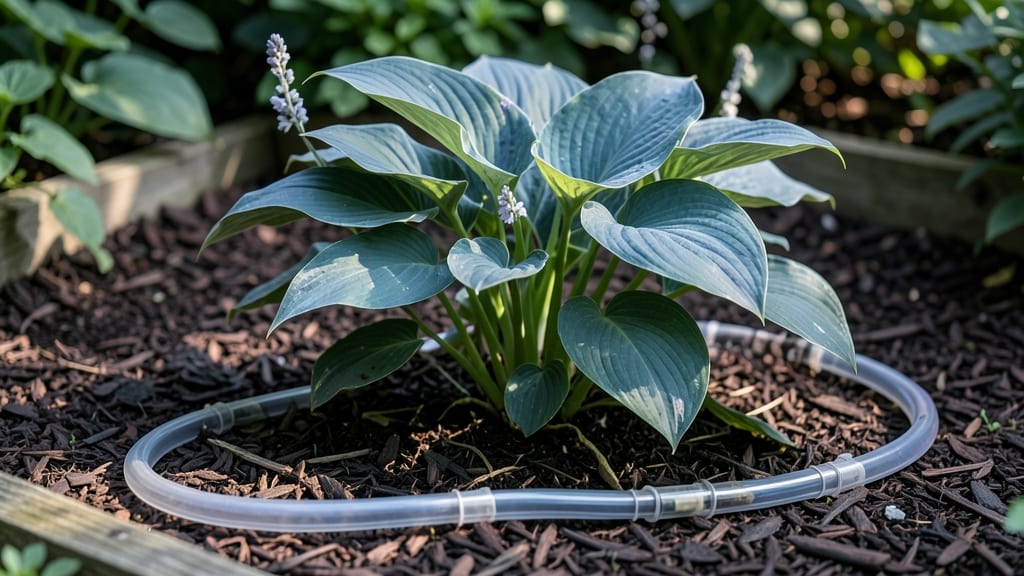
Hostas grow exceptionally well in shade, thriving in partial to full shade conditions where many other perennials struggle. Their broad leaves and lush foliage make them ideal for low-light gardens, though growth speed may slow in deep shade.
Hostas are nature's perfect shade-lovers because their leaves evolved to capture even faint light efficiently. 🌿 Unlike sun-loving plants that wilt in dim conditions, hostas adapt by growing wider leaves to maximize light absorption and developing deeper root systems to access moisture in shaded soil.
This makes them the go-to choice for under trees or along north-facing walls where other plants would fade away.
What really sets them apart is their color intensity—shade actually enhances their vibrant hues, from deep blues to rich purples, while keeping their edges crisp. I've seen gardens where hostas become the star attraction precisely because they thrive where others fail, creating lush focal points that brighten up dark corners.
💡 In This Article
- Why Hostas Excel in Shade Gardens
- Best Shade-Tolerant Hosta Varieties for Dark Gardens
Why hostas excel in shade gardens
Hostas thrive in shade because their leaves evolved specialized features to capture minimal light efficiently. Their broad, horizontal leaves contain a high concentration of chloroplasts near the surface, allowing them to photosynthesize even when receiving just 10-30% of full sunlight—a range where most plants struggle.
This adaptation explains why hostas maintain vibrant foliage under trees or in north-facing garden beds where other perennials would pale and weaken.
Their root systems also play a crucial role. Hostas develop extensive, fibrous roots that spread horizontally to maximize moisture absorption from shaded soil, which often stays damper than sunlit areas.
This root structure helps them access nutrients more effectively in low-light conditions. 🌱 What's fascinating is how shade actually intensifies their leaf colors—anthocyanins (the pigments responsible for blue and purple hues) become more concentrated when light levels drop, creating those stunning deep blues and purples that gardeners love.
Shade also reduces stress factors that plague sun-loving plants. Hostas experience less water loss through transpiration in low-light environments, which means they require 30-50% less watering than sun plants. This makes them incredibly low-maintenance in shaded areas where soil stays consistently moist.
Their thick, waxy leaf surfaces further protect against fungal diseases that thrive in damp, shaded conditions—unlike many shade plants that develop mildew or rot.
However, the trade-off is growth rate. In deep shade (less than 10% sunlight), hostas grow slower because their energy production is limited. You'll notice smaller leaves and more compact plants compared to those in partial shade.
But this actually works to their advantage—it prevents them from becoming leggy or flopping over, which is a common problem with faster-growing shade plants like ferns.
Consider this comparison: A 'Blue Angel' hosta in partial shade might reach 24 inches tall with 18-inch-wide leaves, while the same variety in deep shade could stay around 18 inches tall with 12-inch-wide leaves—but both will maintain their stunning blue coloration.
This adaptability is why hostas are the ultimate shade garden workhorses.
Their ability to thrive in shade also makes them excellent companions for other low-light plants. Pair them with ferns, astilbes, or hellebores to create layered shade gardens where each plant plays to its strengths.
The key is selecting varieties that match your specific shade conditions—some handle deep shade better than others, which we'll explore in the next section.