
Shrubs
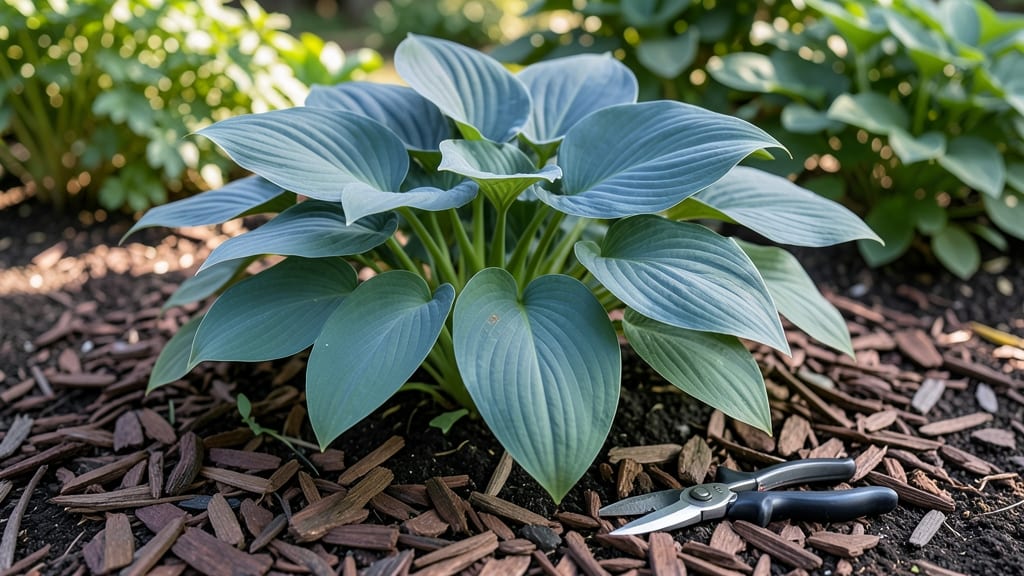
Hostas do well in shade, growing vigorously in low-light conditions where their broad leaves flourish under filtered sunlight or partial shade, avoiding the risk of leaf scorch from direct sun exposure. Varieties like 'Blue Angel' or 'Halcyon' perform exceptionally well in deep shade with minimal care.
Hostas actually prefer shade over full sun, which helps them maintain their vibrant foliage and prevent wilting. 🌿 Unlike sun-loving perennials, hostas thrive when protected from intense afternoon rays, making them perfect for wooded areas or north-facing gardens.
Their roots stay cooler, reducing stress while their leaves develop richer colors—especially in varieties with blue or variegated tones. For best results, I recommend planting them where they get morning sun but afternoon shade, though some hardy types handle full shade without issues.
This shade tolerance also means hostas are low-maintenance stars in urban gardens with limited sunlight. Their ability to adapt to different light levels—from bright indirect light to deep shade—makes them one of the most versatile perennials for landscapers and home gardeners alike.
💡 In This Article
- Why Shade Enhances Hosta Growth and Health
- Top 5 Shade-Loving Hosta Varieties for Dark Gardens
Why shade enhances hosta growth and health
Hostas evolved in woodland understories where they naturally receive 30-70% filtered sunlight, making them uniquely adapted to thrive in shade. Their broad leaves contain high levels of chlorophyll, which allows them to efficiently capture low-light energy through a process called shade acclimation.
This means their leaves develop thicker cell walls and more efficient photosynthesis pathways when exposed to indirect light, unlike sun-loving plants that require intense light for energy production.
The real advantage of shade lies in temperature regulation. Hostas grown in full sun often experience leaf scorch when soil temperatures exceed 85°F, causing cellular damage that manifests as brown edges.
In shaded conditions, soil stays 10-15°F cooler, reducing stress and allowing roots to focus on growth rather than survival. This is why hostas maintain their vibrant colors—especially blue and variegated varieties—in low-light conditions where other perennials would struggle. 💫
Shade also protects hostas from UV radiation damage, which breaks down chlorophyll and causes premature aging. The waxy cuticle on their leaves reflects some sunlight, but prolonged exposure to direct rays degrades this protective layer.
In contrast, hostas in dappled shade develop a stronger cuticle over time, making them more resilient to pests like slugs and aphids that target stressed plants. This is why gardeners often notice fewer pest issues in shaded hosta beds compared to sun-exposed ones.
Another key factor is moisture retention. Shaded soil loses water at a slower rate, keeping hosta roots consistently hydrated. This is particularly important during summer when roots can dry out quickly in full sun, leading to wilting.
The combination of cooler soil and higher humidity in shaded environments creates ideal conditions for hostas to develop their signature plump, glossy leaves—a hallmark of healthy growth. Even in dry climates, hostas in shade require 30% less water than those in full sun.
For comparison, sun-loving perennials like lavender or coneflowers need 6+ hours of direct sunlight to thrive, while hostas perform best with 2-4 hours of morning sun followed by afternoon shade.
This difference in light requirements explains why hostas often outperform other plants in north-facing gardens or under tall trees, where they can achieve 2-3 feet of growth per season with minimal care. The trade-off?
Their growth rate slows dramatically in full sun, where they may struggle to establish without extra water and mulch.