
Container Gardens
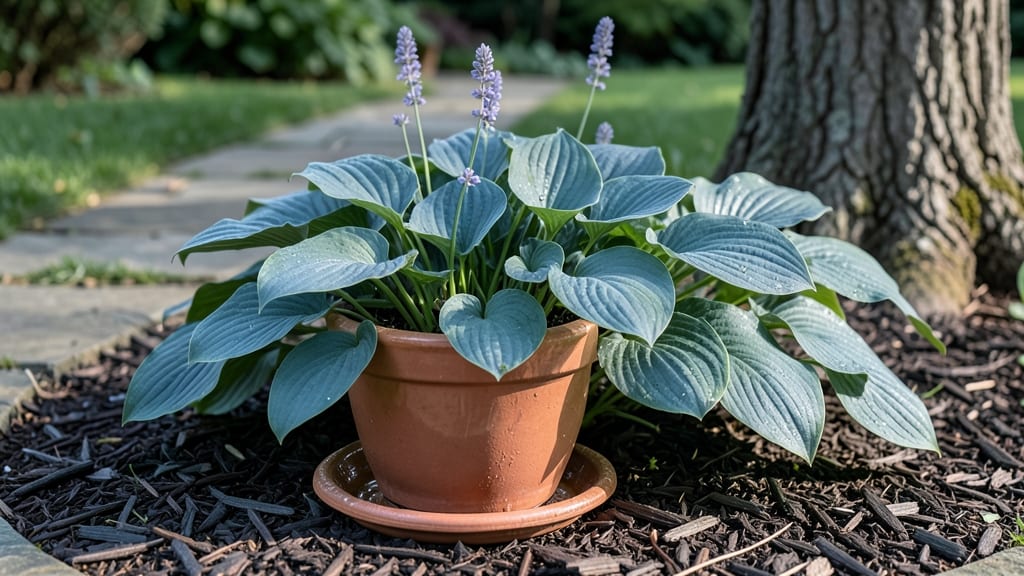
Container gardening for shade lets you grow lush plants even where sunlight barely touches. 🌿 I used to think shade meant sad, leggy plants—but the right containers, soil, and shade-loving varieties transform dark corners into vibrant green oases.
The secret starts with containers that match your shade type: dappled light needs good drainage, while deep shade thrives in moisture-retentive pots. Ferns, hostas, and impatiens grow beautifully with minimal sun, and the right soil mix keeps roots happy without soggy roots.
Most people overwater in shade, so we'll fix that too.
By the end, you'll have thriving containers that add texture and color to shady patios or balconies. The plants stay healthy all season, and you avoid the wilting struggles that come with low-light gardening. No more guessing—just reliable, lush greenery.
Works for apartments, patios, or garden edges. Let's get those containers planted right the first time.
📚 In This Guide
- What you need
- Instructions
- Tips and common mistakes
- Wrapping up and next steps
What you need
- ● Containers: 1–3 large pots (12–18 inches deep) with drainage holes. Opt for glazed ceramic, fiberglass, or heavy plastic to retain moisture.
- ● Potting Mix: 1–2 bags (1–2 cubic feet) of well-draining, peat-free mix (add perlite or orchid bark for aeration). Avoid garden soil—it compacts!
- ● Drainage Layer: Small gravel, broken pottery, or hydroton beads (1–2 inches per container) to prevent root rot.
- ● Shade-Tolerant Plants: 3–5 plants per container (e.g., ferns, hostas, impatiens, or calatheas). Check light needs—partial shade (3–6 hrs sun) vs. full shade (.
- ● Watering Can or Hose: A gentle spray nozzle keeps soil moist without over-saturating.
- ● Fertilizer: Slow-release granules (e.g., osmocote) or liquid feed (every 4–6 weeks) for shade-loving plants.
- ● Mulch: Shredded bark or coconut coir to retain moisture and suppress weeds.
- ● Self-Watering System: A wicking mat or reservoir tray for fuss-free hydration.
- ● Container Covers: Frost cloths or breathable fabric to protect plants in chilly climates.
- ● Plant Labels: Waterproof tags to track varieties and care needs.
- ● Gloves & Kneeling Pad: For comfort while planting and pruning.
Step-by-step guide to thriving container gardening in shade
Here's how to create vibrant, sun-free containers that outperform expectations.
🪴 Step 1: Select the Right Containers and Soil Mix
Choose containers with drainage holes—shade plants hate soggy roots. I prefer 12-18 inch diameter pots for this project because they provide enough volume for root growth while staying manageable. Terra cotta is ideal since it breathes and helps prevent fungal issues in damp conditions.
Fill each pot with a custom mix: blend 50% peat-based potting soil with 30% perlite and 20% compost. This combination ensures excellent drainage while retaining enough moisture for shade-loving plants. Tap the pot gently after filling to settle the mix without compacting it—you want a fluffy texture that roots can easily penetrate.
🌱 Step 2: Choose the Perfect Shade-Tolerant Plants
For four containers, select plants that thrive in partial to full shade. I recommend pairing heuchera (for foliage), fuchsia (for cascading blooms), caladium (for dramatic leaves), and astilbe (for feathery plumes). Each plant handles shade differently, so this combination ensures year-round interest.
Plant heuchera and caladium first—they establish roots quickly and provide a sturdy base. Space them 6-8 inches apart in the center of each pot. Add fuchsia and astilbe around the edges, tucking them slightly deeper than their current soil level to encourage stability. Water gently after planting to settle the soil around the roots.
☀️ Step 3: Position and Maintain for Optimal Growth
Place containers in locations receiving 2-6 hours of filtered light daily. East-facing windows or under deciduous trees work perfectly. Rotate pots quarter-turn weekly to prevent plants from leaning toward any available light. You'll notice more uniform growth within two weeks.
Water when the top inch of soil feels dry—shade plants need consistent moisture but not soggy conditions. I use a self-watering system with saucers to prevent water from pooling at the bottom. Fertilize monthly with a balanced, water-soluble fertilizer diluted to half-strength during the growing season. This keeps nutrients available without overwhelming tender roots.
✂️ Step 4: Prune and Refresh for Continuous Blooms
Deadhead spent blooms regularly to encourage new flowers. For fuchsia, pinch back leggy stems in early summer to promote bushier growth. Heuchera and caladium benefit from removing any yellow or damaged leaves—this improves air circulation and prevents fungal issues. I do this every 4-6 weeks during the growing season.
In late fall, trim back all plants by one-third to remove any diseased foliage and prepare for dormancy. Store containers in a garage or sheltered area over winter if temperatures drop below 20°F. Bring them back indoors or protect with frost cloth if you want to overwinter them. This simple maintenance keeps your containers looking fresh year after year.
Tips & tricks for thriving shade container gardens
These game-changing strategies will help you avoid common pitfalls and create containers that outshine even the sunniest gardens.
Container Selection: While 12-18 inch pots work beautifully, consider adding saucers to your collection for smaller varieties like fuchsia. The extra depth helps prevent root circling—a common issue in shallow containers. I've found that wider pots (18+ inches) give caladiums room to spread their dramatic foliage without becoming root-bound. For terra cotta, pre-soak empty pots for 10 minutes before planting to prevent them from drawing moisture from your soil mix.
Soil Mix Optimization: The 50-30-20 soil blend is perfect, but for containers with multiple plants, add 1 cup of worm castings to each pot. This boosts microbial activity without altering the drainage-permeability balance. When tapping the soil to settle it, do it in three gentle taps—any more can compact the mix and restrict root growth. For extra insurance against fungal issues, sprinkle a thin layer of orchid bark on top before planting.
Planting Strategy: When planting heuchera and caladium first, create small mounds of soil in the center of each pot. This elevated position prevents water from pooling around their crowns during watering. For fuchsia and astilbe, tuck them slightly deeper than their current soil level—this encourages stronger root establishment. I've noticed that plants placed at the edges often grow more vigorously, likely due to better air circulation.
Light Positioning: The 2-6 hours of filtered light recommendation is ideal, but if your space gets only 1-2 hours, supplement with a grow light on a timer (12 hours daily). Position containers so their largest plants face the light source—this prevents smaller varieties from getting completely shaded out. Rotating weekly is crucial, but if you forget, simply turn the containers 180 degrees every two weeks instead.
Pro Tips for Container Gardening For Shade
- These game-changing strategies will help you avoid common pitfalls and create containers that outshine even the sunni...
- Container Selection: While 12-18 inch pots work beautifully, consider adding saucers to your collection for smaller v...
- Soil Mix Optimization: The 50-30-20 soil blend is perfect, but for containers with multiple plants, add 1 cup of worm...
Frequently asked questions
Got questions about container gardening in shade? You’re not alone! Here are some of the most common concerns—and their solutions—to help you grow thriving plants even without direct sunlight.
Can I use regular potting soil for shade-loving plants?
While regular potting soil works, amend it with compost or peat moss to improve drainage and moisture retention—critical for shade plants. A mix with perlite or coconut coir also prevents compaction in heavy clay containers. Pro tip: Avoid garden soil; it compacts and suffocates roots in containers!
What’s the best time to plant shade containers?
Plant in early spring or fall when temperatures are mild and roots can establish without stress. Avoid mid-summer—heat and drought can shock delicate shade plants. If you must plant in summer, water deeply daily for the first 2 weeks and use mulch to retain moisture.
How often should I water shade containers?
Shade containers dry out slower than sunny ones, but check soil moisture weekly—stick your finger 1–2 inches deep. Water when the top layer feels dry. Overwatering is riskier than underwatering; ensure containers have drainage holes and use saucers to catch excess.
What if my shade plants look leggy or pale?
Leggy or pale growth often means low light or poor nutrition. Move containers to a brighter spot (even indirect light helps) or supplement with a balanced, water-soluble fertilizer every 4–6 weeks. Rotate containers occasionally for even growth.
Are there any shade-tolerant veggies I can grow in containers?
Yes! Try leafy greens like lettuce, spinach, or kale, plus bush beans, radishes, or green onions. Avoid heavy feeders like tomatoes or peppers—they need more light. Use self-watering containers for consistency, and harvest regularly to encourage new growth.
Shady, damp conditions attract slugs, fungus gnats, and aphids. Prevent pests by:
How do I keep pests away from my shade containers?
Check undersides of leaves weekly for early signs.
Wrapping up and next steps
Container gardening in shade isn’t just possible—it’s a rewarding way to bring life to dim corners of your space! By choosing the right plants, containers, and soil, you can create a thriving oasis even without direct sunlight.
Whether you’re a beginner or a seasoned gardener, start small, experiment, and enjoy the process—your green thumb will thank you!
Ready to dive in? Pick one plant from this guide and set up your first container today! 🌿✨