
Light Requirements
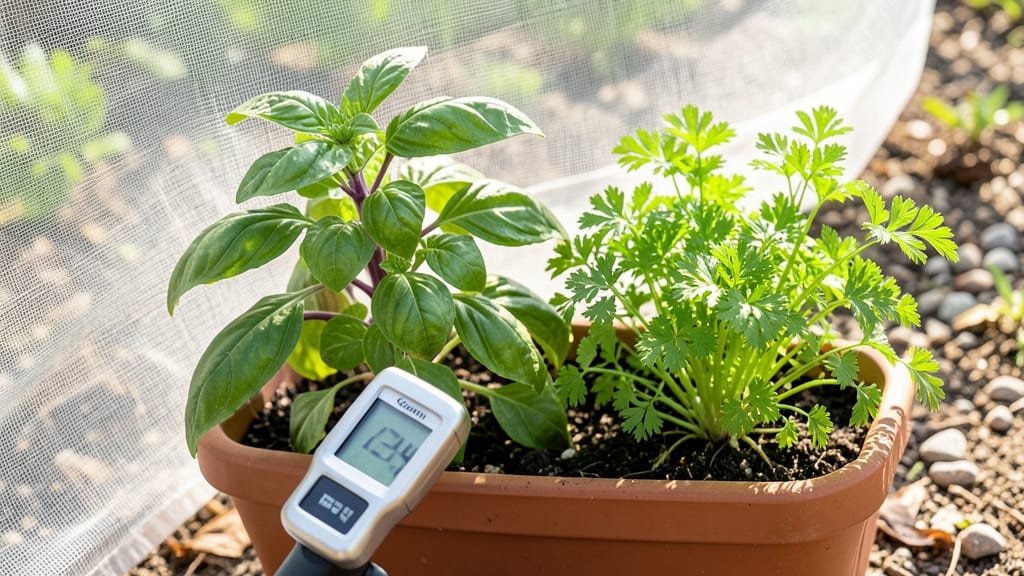
Herbs need sun or shade depending on the type, and getting it wrong can turn your kitchen garden into a sad, leggy mess.
Picture this: your basil is stretching toward the window like a sleepy cat, or your rosemary is wilting under the midday glare. The right light exposure isn’t just about survival—it’s the secret to bold flavors and lush growth.
Some herbs, like basil and thyme, practically beg for full sun, while others, like parsley and mint, can handle a little shade.
But here’s the tricky part: too much sun can scorch delicate leaves, while too little leaves your herbs weak and flavorless. I’ll break down which herbs crave sunlight, which tolerate shade, and how to tweak your setup—whether you’re growing indoors or out—to keep your 🌿 thriving all season long.
Ready to stop guessing and start growing? You’ll learn the exact light needs for your favorite herbs, how to spot trouble early, and simple fixes to keep them happy from March through October.
 Best Window Placement
Sun-loving herbs: which varieties crave full sunlight for maximum flavor
If you’ve ever wondered do herbs need sun or shade, the answer depends on the variety—especially for sun-loving herbs like basil, rosemary, and thyme. These powerhouses thrive under 6+ hours of direct sunlight daily, producing bold flavors and lush foliage.
Without enough light, they’ll stretch, weaken, and lose their signature taste. Let’s dive into the top full-sun herbs and how to keep them happy.
Sunlight isn’t just about survival—it’s about flavor intensity. Herbs like oregano and lavender need full sun to develop their aromatic compounds. Even a few hours short can turn your homegrown rosemary into a pale, flavorless shadow of its potential.
Below, we’ll cover the sun requirements for each herb and how to spot when they’re begging for more light.
| Herb | Sunlight Needs | Signs of Too Little Light | Flavor Impact |
|---|---|---|---|
| Basil | 6–8 hours | Leggy stems, pale leaves | Mild, weak flavor |
| Rosemary | 6+ hours | Stunted growth, yellowing | Loses piney aroma |
| Thyme | 6–8 hours | Slow growth, sparse foliage | Dull, earthy taste |
| Oregano | 6+ hours | Weak stems, pale green | Loses pungency |
| Lavender | 6–8 hours | Floppy stems, no blooms | Faint fragrance |
Basil is the poster child for sun-loving herbs. It craves 6–8 hours of direct sunlight to produce its signature sweet, peppery flavor. Without enough light, basil stems grow tall and spindly, and leaves turn pale. Place your potted basil in a south-facing window or move it outside during peak sun hours for the best results.
For rosemary and thyme, 6+ hours of sun is non-negotiable. These Mediterranean herbs thrive in hot, dry conditions and hate damp soil. If your rosemary starts looking leggy or yellow, it’s a clear sign to relocate it to a sunnier spot.
Even drought-tolerant thyme will struggle without full sun, producing smaller, less fragrant leaves.
Oregano and lavender are equally demanding. Oregano needs full sun to develop its robust flavor, while lavender requires it to bloom and perfume the air. Without enough light, lavender may fail to flower entirely, leaving you with a fragrance-free bush. Both herbs are perennials, so give them a permanent sunny spot in your garden.
Spotting insufficient light in your herbs is easier than you think. Watch for these red flags: stretched stems, pale or yellowing leaves, and slow growth.
If your herb plants start looking like they’re reaching for the sky, it’s time to move them outdoors or supplement with a grow light. Indoor gardeners, take note—south-facing windows are your best bet for replicating full sun.
Pro tip: If you’re growing herbs in containers, rotate them weekly to ensure even sun exposure. This prevents one-sided growth and keeps your plants compact and bushy. For outdoor gardens, group sun-loving herbs together in a dedicated sunny patch to maximize their flavor potential.
With the right light, your homegrown herbs will taste better than store-bought—worth every extra minute in the sun!
Remember, herbs need sun or shade depends entirely on the type. While these sun-loving varieties demand full sun, others (like mint and parsley) prefer shade. Next, we’ll explore how to adjust light conditions for herbs struggling with too much or too little sun—so stay tuned!
☀️
Shade-tolerant herbs: best options for low-light gardens and indoor growing
Not all herbs need 6+ hours of direct sunlight to thrive—many actually prefer partial shade (2-4 hours of sun) or even full shade. If your garden gets limited sunlight or you're growing indoors near a north-facing window, don't worry!
These shade-tolerant herbs will still deliver bold flavors and lush foliage with the right care.
My favorite shade-friendly options include mint, parsley, cilantro, and chives. These herbs not only survive in low-light conditions but also retain their flavor better than sun-loving varieties when grown properly. The key is understanding their light requirements and adjusting your care routine accordingly.
Growing Herbs in Shade: Pros & Cons
✅ Pros
- ✔️ Prevents sunburn on delicate leaves
- ✔️ Reduces water needs (less evaporation)
- ✔️ Ideal for indoor growing (windowsills, kitchens)
- ✔️ Slower growth = longer harvest window
❌ Cons
- ✖️ Weaker flavor compared to sun-grown herbs
- ✖️ Leggy growth if light is too minimal
- ✖️ Higher risk of pests (slugs, aphids)
- ✖️ Slower establishment in low light
For partial shade (2-4 hours of sun), try growing parsley, cilantro, and dill. These herbs handle morning sun beautifully but need afternoon shade to prevent leaf scorch. Place them near a north-facing window or under a dappled shade tree for optimal growth.
If your space gets full shade (0-2 hours of sun), focus on mint, chives, and lemon balm. These herbs are the most adaptable to low light and will still produce aromatic leaves when given consistent moisture.
Just be prepared for slower growth rates—they'll need more frequent harvesting to encourage bushiness.
To maximize growth in dim conditions, I recommend these three key adjustments: 1.
Use well-draining containers (clay pots help prevent root rot) 2. Fertilize lightly every 4-6 weeks with a balanced 10-10-10 mix 3. Rotate pots weekly to ensure even light exposure These simple steps can double your harvest in low-light situations!
Remember, even shade-tolerant herbs will bolt (flower) faster in low light, so harvest regularly to keep them productive. With the right light management and care, you can enjoy fresh herbs year-round—even in the dimmest corners of your home or garden! 🌿