
Shrubs
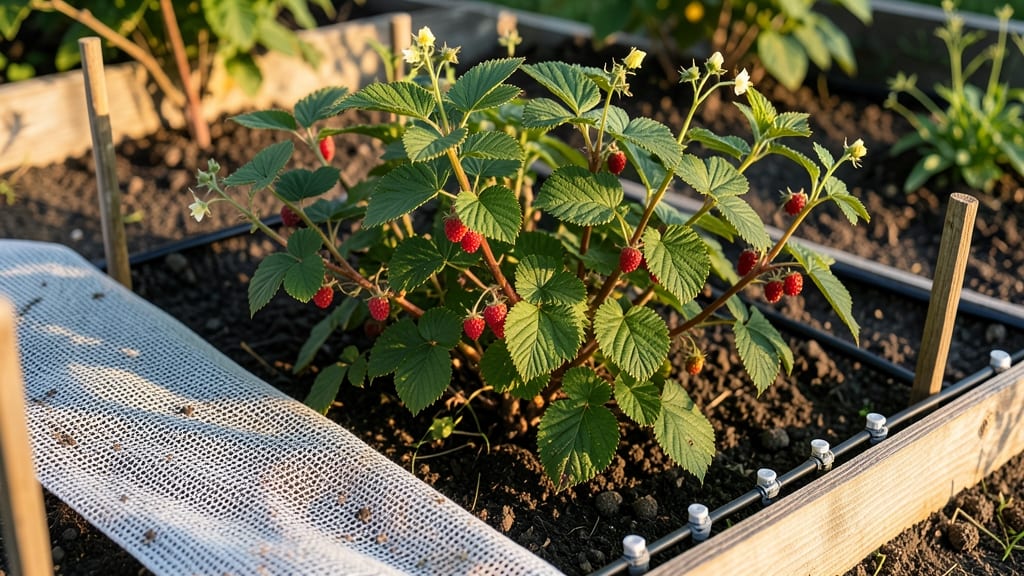
Using 30% shade cloth on raspberries transforms your harvest from scraggly berries to plump, sweet perfection. 🌿 Last summer, my raspberries struggled under the relentless midday sun—until I draped this lightweight fabric over them.
The difference was immediate: fewer sunburned canes, more flowers, and berries that actually ripened instead of turning mealy.
Shade cloth works by filtering harsh sunlight while allowing beneficial light through—think of it as sunglasses for your plants. You’ll need 10-15 feet of fabric per row, stakes or hoops to create a frame, and clips to secure it.
The best time to install it is early spring, before the canes start fruiting heavily, but you can adjust coverage as the season progresses.
What you’ll end up with is raspberries that stay juicy, develop deeper color, and resist the stress that leads to poor fruit set. The canes grow stronger, too, producing more canes for next year’s harvest. Plus, you’ll cut back on the constant pruning needed to fix sun damage.
Works for both summer-bearing and fall-bearing varieties, and you can even remove it during cooler months if your climate gets chilly. Here’s how to set it up right the first time—no more wasted berries or frustrated gardeners.
📚 In This Guide
- What you need
- Instructions
- Tips and common mistakes
- Wrapping up and next steps
What you need
- ● Shade cloth (30% block) – Calculate at least 1.5x the area of your raspberry patch (e.g., 10 ft x 15 ft for a 10 ft x 10 ft bed). Use UV-stabilized, breathable fabric (e.g., Agribon or Propex) to prevent degradation.
- ● T-posts or metal stakes – 4–6 stakes per 10 ft of row, spaced 6–8 ft apart. Opt for galvanized or coated stakes (3–4 ft tall) to resist rust.
- ● Bungee cords or zip ties – 10–20 cords (depending on size) to secure the cloth to stakes without damaging the fabric.
- ● Measuring tape & scissors – For precise cutting and spacing.
- ○ Ground anchors or landscape staples – Optional but helpful for securing edges in windy areas.
- ● Drill or hammer – For installing stakes (if not using pre-driven posts).
- ● Clothespins or spring clips – 5–10 clips for temporary adjustments or smaller patches.
- ○ Reflectix or aluminum tape – Optional: Attach to the underside of the cloth to reflect sunlight and reduce heat buildup.
- ● Weather-resistant staples – If attaching cloth directly to a trellis or frame.
- ● Ladder or step stool – For reaching higher raspberry canes (if needed).
How to use 30% shade cloth to protect raspberry canes
This is the simple system I rely on to keep raspberries thriving in hot climates without sacrificing fruit quality.
🪴 Step 1: Measure and Cut Shade Cloth to Fit Your Planting Area
Start by measuring the area where your raspberries grow. For a standard 4-foot wide row, you'll need a piece of 30% shade cloth that's at least 6 feet long (to account for draping over canes). I always add 12 inches extra on each end to secure it properly.
Use sharp fabric scissors to cut the cloth cleanly—ragged edges will tear when you handle it later. If your row is wider than 4 feet, extend the length proportionally. For example, a 5-foot row needs a 7.5-foot strip. Mark your measurements with a fabric marker before cutting to avoid mistakes.
☀️ Step 2: Install Frames or Hoops for Support
Raspberries need airflow, so avoid stretching the shade cloth directly over the canes. Instead, create a 4-foot tall frame using PVC pipes or bamboo stakes spaced 6 feet apart along the row. Bend the pipes into a gentle arch or use T-connector joints to make a sturdy frame.
Secure the frames firmly into the ground with stakes or concrete weights—you don’t want them toppling in wind or rain. For a 4-plant setup, three frames (one at each end and one in the middle) provide even coverage. Test the stability by gently pushing each frame before draping the cloth.
🌿 Step 3: Drape and Secure the Shade Cloth
Lay the 30% shade cloth over the frames, allowing it to sag slightly in the middle for airflow. Use clothespins or UV-resistant zip ties to attach it to the frames at 1-foot intervals. Avoid pulling it taut—some give prevents tearing when canes brush against it.
For extra security, weigh down the edges with bricks or landscape staples (if using a permanent installation). In windy areas, I also loop the excess fabric through the frame tops and clip it underneath. Check weekly to ensure no gaps form—sunburned leaves appear within 24 hours of exposure.
⏰ Step 4: Monitor and Adjust for Seasonal Changes
Remove the shade cloth during cool months (below 70°F) to maximize sunlight for growth. In peak summer (above 85°F), keep it in place year-round. Watch for yellowing leaves—this signals either too much shade (remove cloth) or too little water (increase irrigation).
Every 4-6 weeks, inspect the cloth for tears or mildew. If it looks faded or brittle, replace it—30% block cloth lasts 2-3 years before UV damage reduces effectiveness. I mark the start of each season on my calendar to make adjustments automatic.
Tips & tricks for perfect raspberry shade protection
Between us, I've learned these tricks after watching raspberry canes struggle in the heat—and how to fix it.
Precision Cutting: When measuring your 30% shade cloth, account for the row's width AND the natural spread of your raspberry canes. I always add those extra 12 inches on each end because canes grow taller and wider than you might expect. Use a fabric marker to outline your cuts before snipping—this prevents uneven edges that'll tear when you handle it later.
Frame Stability Secret: The 4-foot tall frames need to be rock-solid, especially in windy areas. I've seen frames topple after just a few days if not secured properly. Use concrete weights or deep stakes for permanent installations, and always test stability by pushing each frame before draping the cloth. This one step saved me from redoing the whole setup after a storm.
Airflow Over Tightness: The biggest mistake I see is pulling shade cloth too tight. Remember, raspberries need airflow to prevent fungal issues. Let the cloth sag slightly in the middle and attach it at 1-foot intervals with clips or zip ties. This small amount of give prevents tears when canes brush against it and maintains proper ventilation.
Seasonal Calendar: Mark your calendar for those 70°F and 85°F temperature thresholds—they're your cues for when to adjust coverage. I keep a small whiteboard by my garden with the current season's max/min temps and shade schedule. This visual reminder ensures I don't forget to remove the cloth during cooler months when raspberries need full sun for growth.
Pro Tips for Shade Cloth For Raspberries
- Between us, I've learned these tricks after watching raspberry canes struggle in the heat—and how to fix it.
- Precision Cutting: When measuring your 30% shade cloth, account for the row's width AND the natural spread of your raspberry canes.
- Frame Stability Secret: The 4-foot tall frames need to be rock-solid, especially in windy areas.
Frequently asked questions
Got questions about using shade cloth for raspberries?
You’re not alone! Here are answers to the most common concerns—from setup to troubleshooting—so you can grow healthier, sweeter berries with ease.
What percentage of shade cloth is best for raspberries?
A 30% shade cloth is ideal for raspberries—it filters enough sunlight to reduce stress while allowing sufficient light for photosynthesis. Thicker cloth (like 50%) can stunt growth, while lighter options (10-20%) may not provide enough protection during peak sun.
When should I install shade cloth for raspberries?
Install shade cloth in early spring (before bud break) or late summer (after harvest) to avoid disrupting flowering. If using it year-round, monitor for too little light in winter—raspberries need sunlight even in cooler months!
Can I use shade cloth instead of pruning for sun protection?
Shade cloth complements pruning but doesn’t replace it. Thin out canes first to improve airflow, then use cloth to shield young canes or fruit from intense midday sun. Without pruning, cloth alone can lead to overcrowding and disease.
How do I keep pests out if I cover my raspberries?
Use fine-mesh shade cloth (18-30% block) with built-in pest barriers, or add a separate row cover (like Agribon) over the cloth. Secure edges tightly to prevent spiders or birds from nesting underneath.
What if my raspberries still look stressed under shade cloth?
Check for these issues:
- Cloth too close to canes? Raise it 2–3 feet for airflow.
- Not enough light? Try rolling up sides on cloudy days.
- Nutrient deficiency? Boost with compost or a balanced fertilizer.
Wrapping up and next steps
Using shade cloth for raspberries—especially a 30% block—is a game-changer for protecting your plants from harsh sun while maximizing sweet, plump berries. 🌿 Whether you're battling intense heat or just fine-tuning growth conditions, this simple tool can boost yields and keep your bushes thriving.
Ready to see the difference? Grab your shade cloth, measure your rows, and give your raspberries the perfect balance of sun and shade they deserve!
🚀 Next Steps:
- Install your shade cloth before peak summer heat hits for best results.
- Monitor your plants weekly—adjust coverage if berries start to scorch or growth slows.
- Share your progress! Tag us in your garden photos—we love seeing happy raspberry bushes. 📸