
Plants
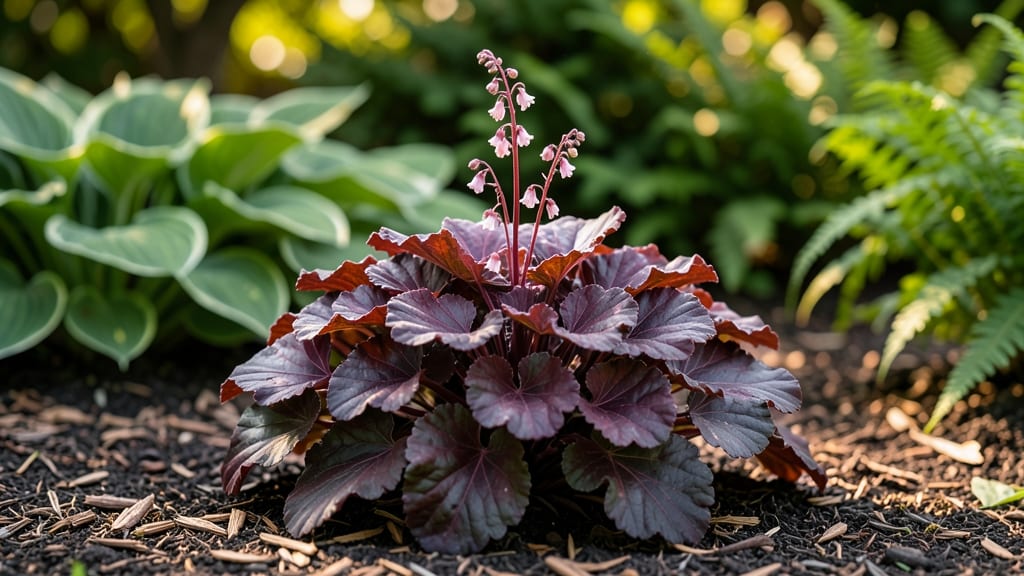
Do coral bells like shade, and if so, why are they the perfect choice for shady garden spots where other plants struggle? 🌸
If you’ve ever wondered why your coral bells (Heuchera) aren’t thriving in full sun—or if they’ll finally flourish in that shady corner of your garden—you’re not alone.
These prized perennials are far more adaptable than most gardeners realize, and their love for shade (or partial shade) might just be the secret to vibrant foliage all season long.
While they can handle full shade, coral bells actually prefer partial shade, where they get 3-6 hours of filtered sunlight daily. This balance keeps their striking foliage colors bold and prevents leggy growth. Too much direct sun can fade their leaves, while too little light may dull their vibrancy.
In this guide, I’ll break down the ideal light conditions for coral bells, how to spot signs of stress, and which varieties shine brightest in low-light spots.
Whether you’re dealing with a shady yard or just want to keep your plants happy, these tips will help your coral bells stay lush and lively all year.
 Best Window Placement
How much shade can coral bells tolerate for optimal growth?
Coral bells (Heuchera) are famous for their stunning, colorful foliage, but many gardeners struggle to get them right—especially when it comes to light exposure. The good news? These plants are shade-tolerant champions, thriving in conditions where other perennials would struggle.
However, not all shade is created equal, and understanding the light spectrum (from full shade to partial sun) is key to unlocking their full potential.
In my experience, coral bells perform best with 3 to 6 hours of morning sun and the rest of the day in shade. This balance ensures their foliage stays vibrant while preventing leaf scorch or wilting.
But what happens if you live in a high-shade climate, like the Pacific Northwest, versus a sunnier region in the South? Let’s break it down.
🌿
In USDA Zones 4-9, coral bells adapt well to shade, but their foliage intensity varies dramatically. For example, in the Pacific Northwest, where shade is abundant, varieties like 'Plum Pudding' or 'Palace Purple' will thrive even in full shade, though their colors may mute slightly.
In contrast, Southern climates with hot afternoons require morning sun only to prevent leaf scorch.
One common misconception is that coral bells need bright light to maintain their colors. While partial shade (3-6 hours of sun) is ideal for most varieties, some silver or chartreuse types (like 'Lime Rickey') actually prefer more light to keep their hues crisp.
Always check your specific variety’s care tag for guidance.
If you’re growing coral bells in containers, they’ll tolerate more shade than in-ground plants because their roots stay cooler. However, even in pots, some direct light (even filtered) is crucial for preventing leggy growth.
I’ve seen coral bells in north-facing windows (with bright indirect light) grow just as well as those in garden beds with dappled shade.
For regional adjustments, gardeners in Zone 5 or colder can push coral bells into full shade during summer to reduce stress, while those in Zone 8+ should prioritize afternoon shade to protect leaves from intense heat.
Mulching with 2-3 inches of organic matter (like shredded bark) helps regulate soil temperature and moisture, which is especially helpful in high-shade conditions.
Pro tip: If your coral bells start looking pale or stretched, they’re likely craving more light. Conversely, crispy edges or yellowing means they’re getting too much sun. Adjust their location gradually—moving them incrementally over weeks rather than all at once—to avoid shocking their roots.
Remember, coral bells are not fussy, but they do reward attentive light management. Whether you’re dealing with a shady woodland garden or a bright patio with afternoon shade, these plants will deliver year-round interest if you get their light needs right.
🌳
Signs your coral bells are getting too much (or too little) sun
Your coral bells (Heuchera) might be silently screaming for help if their sunlight conditions are off. Too much direct sun can cause leaf scorch, while too little light leads to leggy, pale growth.
The key is finding that sweet spot of partial shade (3-6 hours of sunlight daily) where their foliage stays vibrant and healthy.
First, check the color of your leaves. If they’re turning brown or crispy along the edges, your coral bells are getting too much sun. On the flip side, if the leaves look washed-out or stretched, they’re begging for more light.
These visual cues are your plant’s way of communicating its needs—don’t ignore them!
If your coral bells are suffering from too much sun, start by moving them to a spot with filtered light, like under a tree with dappled shade.
For those in too little light, a few hours of morning sunlight can work wonders. Avoid harsh afternoon sun, which can bleach the leaves and cause irreversible damage.
Another telltale sign is the growth pattern. Healthy coral bells grow compact and bushy, while those in poor light conditions stretch upward in search of sunlight. If you notice leggy stems, it’s time to adjust their location or supplement with a grow light if indoors.
Don’t forget to check the soil moisture—plants in full sun dry out faster and may need more frequent watering. Conversely, those in deep shade often suffer from root rot due to excess moisture. Aim for well-draining soil and water only when the top inch feels dry to the touch.
With the right balance of light and care, your coral bells will reward you with bold, colorful foliage all season long. Keep an eye on those leaves, and you’ll never second-guess their sunlight needs again!