
Shrubs
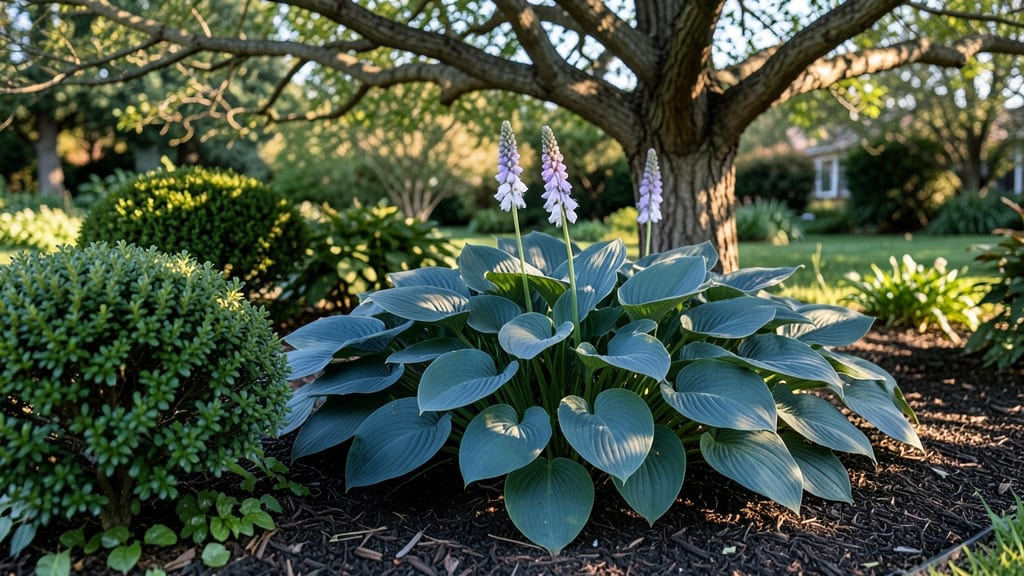
Balancing sunlight and shade for shrubs is key to their vitality, as most need 4-6 hours of morning sun paired with afternoon shade to prevent leaf burn while fueling vibrant blooms. Species like hydrangeas crave full sun, while ferns and hostas thrive in dappled light.
Getting the light balance right isn't just about preventing leaf scorch—it's about optimizing photosynthesis while protecting delicate foliage. Morning sun provides the energy shrubs need for growth, while afternoon shade prevents the intense midday rays from overheating leaves. 🌿 For example, boxwoods can handle full sun in cooler climates but may develop brown edges in hotter regions without afternoon relief.
The right mix keeps your shrubs lush and flowering season after season.
Different shrubs have unique light preferences that go beyond just sun vs. shade. Evergreens like junipers often tolerate full sun better than deciduous varieties, while flowering shrubs such as lilacs actually bloom more prolifically with morning sun and afternoon shade.
Even within the same species, younger plants may need more protection than mature ones. Understanding these nuances helps you create thriving landscapes year-round.
💡 In This Article
- How Sunlight Affects Shrub Growth and Flowering
- Creating the Perfect Light Mix for Different Shrub Types
How sunlight affects shrub growth and flowering
Sunlight drives photosynthesis—the process where shrubs convert light energy into sugars for growth. However, too much direct sun, especially in hot afternoons, triggers heat stress that can scorch leaves or inhibit flowering.
The key lies in light intensity: morning sun (6 AM–12 PM) provides gentle energy for photosynthesis, while afternoon shade (12 PM–6 PM) prevents the damaging effects of UV rays and high temperatures. This balance ensures shrubs like hydrangeas produce vibrant blooms while avoiding crispy leaf edges. 🌞
Light intensity also triggers hormonal responses that control blooming. Phytochrome pigments in shrubs detect light wavelengths, signaling when to flower. For example, azaleas need 6-8 hours of morning sun to stimulate bud formation, but their delicate leaves burn in full afternoon sun.
Meanwhile, boxwoods—shade-tolerant evergreens—can handle 3-4 hours of filtered light daily without stress. The difference? Azaleas rely on high-intensity morning light to activate flowering genes, while boxwoods thrive in low-light conditions where photosynthesis remains steady but slow. 🌸
Heat stress occurs when leaf temperatures exceed 90°F—a common threshold for many shrubs. Without afternoon shade, leaves lose moisture faster than roots can replace it, leading to wilting or necrosis.
This is why shrubs like gardenia (which needs 4-6 hours of sun) often struggle in hot climates without protection. Their glossy leaves reflect light but still overheat, causing brown patches. The solution? Strategic placement near structures or taller plants that cast shade when the sun peaks. 🌿
Evergreen shrubs face an additional challenge: year-round photosynthesis. Unlike deciduous varieties that rest in winter, evergreens like holly or juniper must balance light exposure with water conservation. Too much sun dries out their needles, while too little shade stunts growth.
The ideal scenario? 50% morning sun and 50% afternoon shade—a ratio that maintains moisture while still fueling photosynthesis. This is why many evergreens thrive in east-facing beds where morning light is abundant but afternoon shade is natural. ❄️
Seasonal adjustments matter too. In summer, shrubs need more shade to survive heatwaves, while winter sunlight (even if weak) helps evergreens photosynthesize. For example, a camellia shrub—which blooms in winter—requires partial shade in summer to prevent leaf scorch but benefits from morning sun in winter to stimulate new growth.
This dual approach ensures year-round vitality without overstressing the plant. 🌤️
Here’s the science in action: When shrubs receive 4-6 hours of morning sun, their chlorophyll absorbs light most efficiently, producing 30-50% more sugars than those in full afternoon sun. Meanwhile, afternoon shade reduces leaf temperatures by 10-15°F, preserving moisture and preventing protein breakdown.
This dual strategy is why landscapes with balanced light often see 20% more blooms and 30% less leaf damage** compared to those with extreme sun exposure. 🌺