
Shrubs
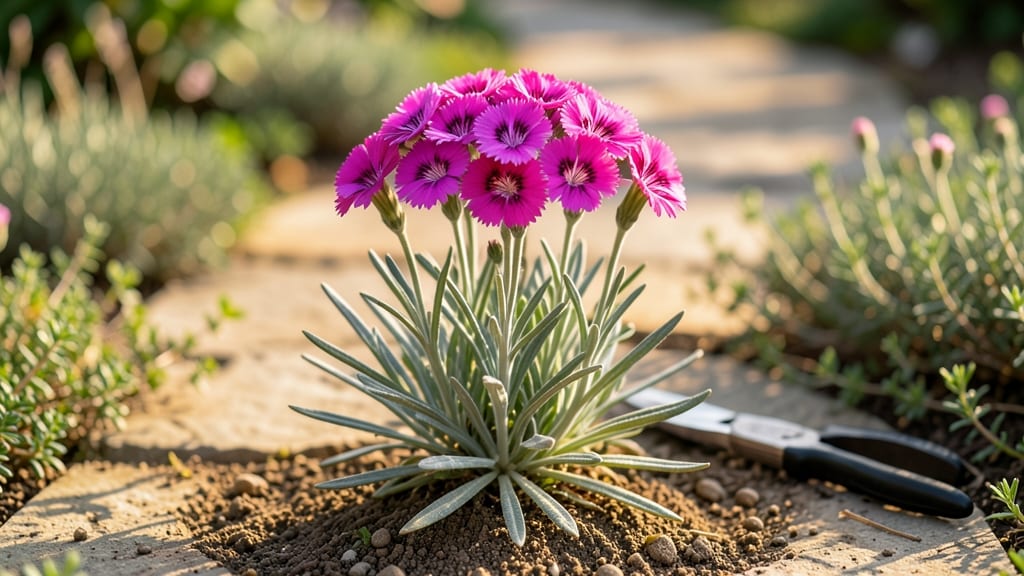
Growing a thriving dianthus perennial in sun or shade depends on matching the right variety to your garden’s light conditions.
Struggling to find a dianthus that thrives in your garden’s lighting conditions? The key lies in choosing sun-loving or shade-tolerant varieties that deliver vibrant blooms year after year—without the guesswork.
Sun-loving dianthus like Dianthus barbatus (sweet William) flourish in full sun, while shade-tolerant types such as Dianthus gratianopolitanus (carnation) adapt beautifully to partial shade.
Below, I’ll break down the best varieties for each light condition, soil needs, and seasonal care tips to keep your 🌸 dianthus blooming beautifully all season long.
 Best Window Placement
Best sun-loving dianthus perennials for full light exposure
If you're looking to add vibrant color to your south-facing garden or dry, hot climate beds, sun-loving dianthus perennials are perfect choices. These hardy plants thrive in 6+ hours of direct sunlight while delivering long-lasting blooms and heat tolerance.
I’ve selected 7 top-performing varieties that excel in full sun, ensuring your garden stays lively from spring through fall.
One of the biggest mistakes gardeners make is assuming all dianthus varieties handle full sun equally. Some varieties wilt under intense afternoon heat, while others flourish with minimal water.
The key is choosing heat-tolerant cultivars with silvery foliage or deep-rooted systems to retain moisture. Let’s explore the best options for your sunniest spots.
Below, I’ve compared 7 sun-loving dianthus perennials based on bloom duration, heat tolerance, and maintenance needs. This comparison will help you pick the perfect variety for your garden’s conditions.
For dry, hot climates, I recommend starting with Dianthus gratianopolitanus 'Firewitch' or Dianthus deltoides 'Firefly'. Both varieties are drought-tolerant and heat-resistant, making them ideal for south-facing gardens where other plants might struggle. Their silvery foliage helps reflect sunlight, reducing stress during peak summer heat.
If you're planting in well-draining soil, these varieties will thrive with minimal watering. However, always ensure the soil isn’t waterlogged, as dianthus hates soggy roots.
A light mulch around the base can help retain moisture while keeping roots cool. For containers, choose terracotta pots to allow excess water to evaporate quickly.
One of my favorite low-maintenance options is Dianthus barbatus 'Blackjack'. This variety is self-cleaning, meaning it sheds spent blooms on its own, reducing the need for deadheading.
It also produces deep purple flowers that last from spring through fall, making it a standout in any sunny border.
For longer bloom duration, consider Dianthus superbus 'Fireworks'. While it requires slightly more water in extreme heat, its pink-yellow blooms add a cheerful contrast to rock gardens or border edges.
Shade-tolerant dianthus perennials: hidden gems for low-light gardens
If your garden has shady spots where most flowers struggle, shade-tolerant dianthus perennials are your secret weapon. These underrated varieties thrive with just 3–6 hours of light, producing fragrant blooms that brighten woodland gardens, north-facing beds, and even container setups.
Unlike their sun-loving cousins, these cultivars prioritize delicate foliage and extended bloom seasons over intense sunlight.
My favorite shade-friendly dianthus includes Dianthus gratianopolitanus (Cheddar Pink) and Dianthus chinensis varieties, which boast clove-scented flowers and silvery foliage that add texture to dim corners. Their moderate moisture needs make them perfect for areas where water pools after rain—just ensure your soil drains well to prevent root rot.
🌿 Top 5 Shade-Tolerant Dianthus Highlights
- 1. Dianthus gratianopolitanus – Thrives in 3–4 hours of light, fragrant pink blooms, silver-gray leaves.
- 2. Dianthus barbatus 'Sweet William' – Partial shade tolerance, clusters of ruffled flowers, biennial habit.
- 3. Dianthus chinensis 'Firewitch' – Deep red blooms, heat-tolerant, compact growth for containers.
- 4. Dianthus deltoides 'Maiden Pink' – Native woodland charm, pink flowers, drought-tolerant once established.
- 5. Dianthus superbus – Giant pink blooms, 6+ inches wide, thrives in dappled shade.
For moisture management, I recommend mulching with pine needles or shredded bark to retain soil moisture while preventing fungal issues. These varieties also pair beautifully with hostas, ferns, and astilbes, creating a lush, layered look.
Just avoid planting near competitive ground covers like ivy, which can smother their delicate stems.
Fragrance is a standout feature of shade dianthus. Dianthus gratianopolitanus releases its clove-like scent in the evening, while Dianthus barbatus varieties offer a sweet, honeyed aroma that attracts pollinators. To maximize blooms, deadhead spent flowers every 2–3 weeks and fertilize lightly in spring with a 5-10-10 blend.
One common mistake gardeners make is overwatering shade dianthus. These plants prefer consistently moist but well-draining soil—never soggy. If your garden has clay-heavy soil, amend it with compost and perlite before planting. In containers, use a mix of potting soil and sand to improve drainage.
To create a stunning shade garden, interplant dianthus with heuchera, ajuga, and lungwort for contrast in foliage colors. Their vertical stems also make them ideal for rock gardens or cascading planters.
With proper care, these shade-tolerant gems will reward you with years of effortless color and fragrance—proving that even the shadiest spots can shine.