
Plants
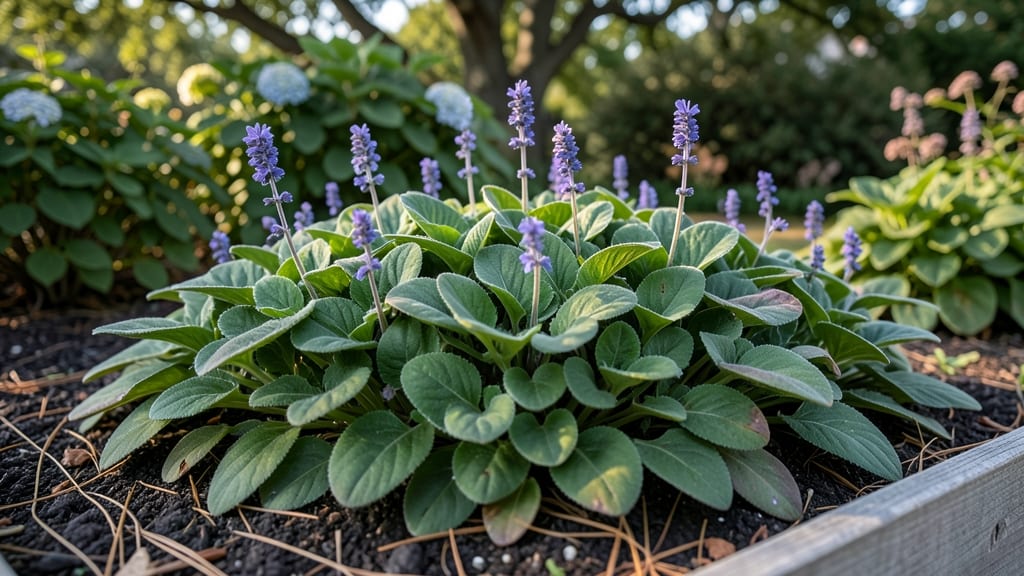
Does Ajuga like sun or shade—it actually prefers the latter, thriving in partial shade with just 2-4 hours of morning sun, though it handles full shade better than most ground covers.
Picture this: you’ve just planted your ajuga, eager for that lush, vibrant carpet of foliage, only to watch it stretch toward the light or fade into a dull, leggy mess.
The good news? Ajuga is forgiving—it just needs the right light balance to show off its best colors and stay compact.
Too much sun, especially harsh afternoon rays, can scorch its leaves, while too little light dulls its signature purple, bronze, or gold hues. The trick is mimicking its natural woodland understory habitat—think dappled shade under trees or a north-facing window.
In this guide, I’ll break down exactly how to place your ajuga for peak performance, spot when it’s struggling, and pair it with other shade-loving plants for a low-maintenance garden that thrives year-round.
 Best Window Placement
Ajuga’s ideal light conditions: sun vs shade tolerance explained
Ajuga thrives in conditions that many gardeners overlook—it’s a master of partial shade, but it’s not as picky as you might think. While it can handle full shade beautifully, too much direct sun can scorch its delicate foliage, while too little light dulls its vibrant colors. The key is finding that sweet spot where it gets 2-4 hours of morning sun or filtered sunlight throughout the day.
In my own garden, I’ve seen Ajuga reptans (the most common variety) flourish under dappled shade from oak trees, where it spreads like a lush carpet. But when I planted it in a south-facing border with 6+ hours of direct sun, the leaves turned crispy by midday.
The lesson? Location matters, and ajuga’s flexibility comes with boundaries.
Here’s the breakdown: ajuga tolerates full shade but may grow more slowly and produce fewer flowers. In partial shade, it hits its prime—vibrant foliage, steady growth, and those eye-catching blue or purple flower spikes in spring.
Even bright indirect light (like near a north-facing window) works well for container-grown ajuga.
Now, let’s clarify the confusion: Ajuga vs. sun isn’t a black-and-white answer. Some varieties, like Ajuga genevensis, are more sun-tolerant, while others, like ‘Catlin’s Giant’, prefer shade. The table below cuts through the guesswork by comparing how ajuga performs in different light scenarios.
The table shows why morning sun is ideal—it gives ajuga enough light without the intense afternoon heat that causes stress. If you’re planting ajuga in a sunny border, opt for dappled shade (like under deciduous trees) or use it as an underplanting for taller perennials that provide natural shade.
Seasonal adjustments are key. In summer’s peak heat, ajuga in full sun may need temporary shade cloth (30-50% shade) to prevent leaf scorch.
Conversely, in winter’s low light, ajuga in deep shade might benefit from a south-facing window or a spot where it gets reflected light from nearby surfaces.
Pro tip: If your ajuga starts looking leggy or sparse, it’s begging for more light. But if the edges turn brown or crispy, it’s getting too much sun.
The goal is balanced light—think of ajuga as the Goldilocks of ground covers: not too much, not too little, but just right.
For container gardening, place ajuga near a north or east-facing window or under a patio umbrella that filters sunlight. In ground plantings, pair it with hostas or ferns to create a natural shade canopy.
The right light setup turns ajuga from a mediocre filler into a showstopping star of your garden.
Remember, ajuga’s adaptability is one of its superpowers. With the right light, it’ll reward you with year-round interest, from its purple-blue spring blooms to its variegated or bronze foliage that adds winter structure.
Now that you know the light rules, go ahead and give ajuga the perfect stage to shine—literally!
Signs your ajuga isn’t getting the right light (and how to fix it)
If your ajuga plants look less vibrant than usual or are growing in unexpected patterns, light issues might be the culprit. Ajuga thrives in partial shade but can struggle when exposed to too much sun or insufficient light.
The key is recognizing the visual cues that signal an imbalance—whether it’s yellowing leaves or sparse growth.
Most gardeners assume ajuga is low-maintenance, but its foliage color and growth rate are direct reflections of its light exposure. For example, deep purple varieties like 'Chocolate Chip' may fade to green if they get too much sun, while leggy stems often indicate insufficient light.
Understanding these signs helps you adjust placement or care before problems worsen.
🌿 Ajuga’s Light Sweet Spot
Ajuga prefers 2-4 hours of morning sun or dappled shade—never harsh afternoon rays. Too much sun causes leaf scorch, while too little leads to pale, weak growth. Test your spot: If nearby plants thrive, your ajuga likely will too.
One of the first warning signs is yellowing leaves, especially on older foliage. This often means your ajuga is getting too much direct sun, causing oxidative stress. In contrast, new growth that stays small or stretches upward signals it’s reaching for more light.
These visual cues help you diagnose whether your ajuga needs more shade or a sunny relocation.
For container-grown ajuga, leggy stems are a dead giveaway. When plants stretch toward light sources, they’re etiolating, a sign of insufficient light. Move containers to a bright, indirect spot or supplement with a grow light for 4-6 hours daily.
This simple fix can transform weak stems into bushier, healthier growth within weeks.
If your ajuga’s foliage loses its color, it’s likely not getting enough light. Variegated varieties, like 'Catlin's Giant', may revert to all-green leaves when starved of light. To fix this, prune back leggy stems and place the plant in a sunnier spot (but avoid harsh afternoon sun).
Mulch with organic matter to retain moisture while the plant adjusts.
For shade-tolerant varieties like 'Multicolor', focus on soil health if light is already optimal. Amend heavy clay with compost to improve drainage, and avoid overwatering, which can suffocate roots in low-light conditions. Pair ajuga with hostas or ferns to create a low-light microclimate that keeps foliage vibrant year-round.
Remember, ajuga’s light needs vary by climate and season. In hotter zones, provide afternoon shade, while cooler regions may handle more sun. Adjust gradually—sudden changes can shock the plant. With the right light, your ajuga will reward you with lush, colorful ground cover for years. 🌿