
Light Requirements
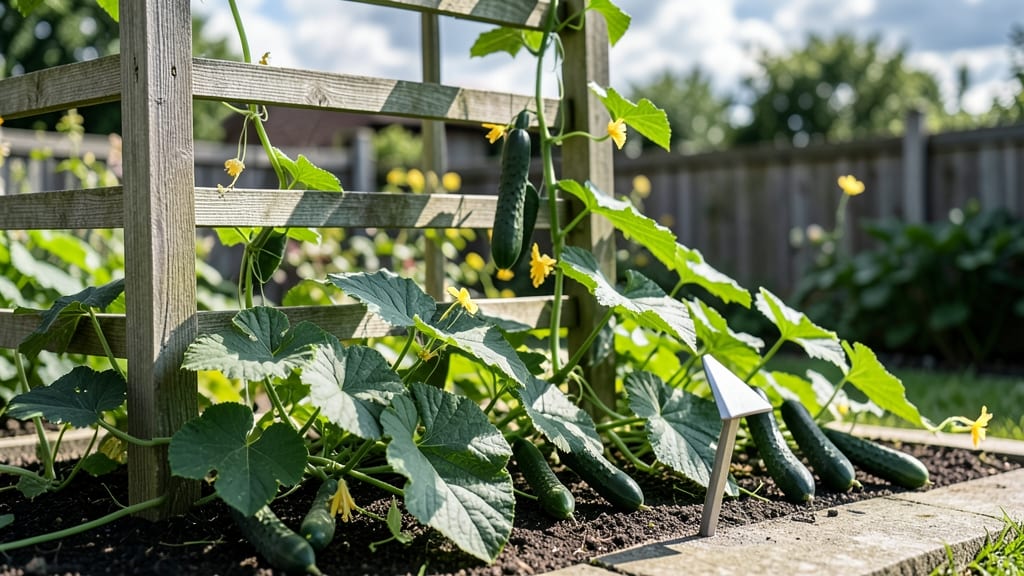
Growing cucumbers in full sun or shade makes all the difference between a bountiful harvest and struggling vines.
Picture this: you’ve planted your 🥒 cucumbers with high hopes, only to watch them wilt under the wrong light conditions. Too much shade, and they’ll stretch weakly; too little sun, and they’ll produce bitter fruit.
The secret to sweet, crisp cucumbers lies in understanding their light needs—and how to adapt when your garden doesn’t offer perfect conditions.
Most cucumbers crave 6+ hours of full sun daily, but not all varieties are created equal. Some bush types tolerate partial shade better than sprawling vines, and even a few hours of afternoon shade can prevent sunburn in hot climates.
Below, I’ll break down the science behind cucumber light needs, how to spot when they’re struggling, and the clever tricks that work when your garden isn’t sun-soaked.
Ready to turn your cucumber patch into a productivity powerhouse? You’ll learn how to maximize yield, whether you’re working with a sun-drenched plot or a shady corner. Let’s get growing!

Optimal sunlight requirements for cucumber plants: full sun vs. partial shade
Cucumbers are sun-hungry plants that thrive when given the right amount of light, but too much shade can drastically reduce your harvest.
As someone who's grown cucumbers in everything from bright vegetable patches to dappled shade gardens, I've learned that 6 to 8 hours of direct sunlight is the sweet spot for most varieties. This ideal exposure maximizes photosynthesis, which directly impacts vine strength, flower production, and fruit development.
The key difference between vining cucumbers (like 'Straight Eight' or 'Marketmore') and bush varieties (like 'Bush Champion') lies in their tolerance for less-than-perfect light conditions. While both need sunlight, bush types handle partial shade slightly better due to their compact growth habit.
However, neither will reach their full potential without adequate light.
Here's the science behind it: cucumbers convert sunlight into energy through chlorophyll in their leaves. When deprived of sufficient light, plants redirect energy toward leaf production instead of fruit development, leading to fewer cucumbers.
Even worse, prolonged shade stress weakens the plant's immune system, making it more susceptible to diseases like powdery mildew.
Let's break down the sunlight needs by variety and how shade impacts each growth stage:
| Variety Type | Minimum Sunlight Needs | Ideal Daily Exposure | Shade Tolerance | Yield Impact |
|---|---|---|---|---|
| Vining (e.g., 'Straight Eight') | 6 hours | 8+ hours (full sun) | Low (under 4 hours) | Up to 50% reduction |
| Bush (e.g., 'Bush Champion') | 5 hours | 6-7 hours (partial sun) | Moderate (4-5 hours) | Up to 30% reduction |
| Parthenocarpic (e.g., 'Excelsior') | 5 hours | 6-8 hours (full sun) | Low (under 5 hours) | Up to 40% reduction |
| All varieties (flowering) | N/A | 6+ hours (critical) | None (flowers need sun) | 90%+ reduction |
The flowering stage is particularly sensitive to light deprivation. Cucumbers are monoecious, meaning they produce separate male and female flowers. Female flowers (which develop into fruit) require strong light to form properly. In shade, plants may produce mostly male flowers, leading to poor fruit set even if pollination occurs.
For maximum yield, position your cucumbers in the sunniest spot available, especially during their growth peak (June-August). If your garden has afternoon shade, prioritize morning sun exposure, as cooler temperatures reduce water stress.
I've found that even 3 hours of midday sun paired with 3 hours of morning sun can work for bush varieties, but yields will be significantly lower than fully sun-exposed plants.
One common mistake gardeners make is assuming that partial shade (like under fruit trees) is sufficient. While cucumbers can tolerate 3-4 hours of shade, their vines will grow leggy and weak, and fruits may develop poor flavor and texture.
The key is to balance light exposure with consistent moisture—shady plants need more frequent watering to compensate for reduced photosynthesis.
If you're growing cucumbers in containers or urban settings, consider using reflective surfaces like white walls or mirrors to bounce extra light onto plants. I've seen a 20-30% increase in fruit production just by placing reflective mulch around container-grown cucumbers.
For indoor growers, supplement with grow lights (12-16 hours/day) to mimic full sun conditions.
Remember that light quality matters too. Direct sunlight provides the full spectrum needed for photosynthesis, while filtered light (like through sheer curtains) lacks the blue and red wavelengths that drive plant growth.
If you must grow cucumbers in shade, choose shade-tolerant varieties like 'Armenian' or 'Lemon' cucumbers, which handle partial shade slightly better than standard types.
For the best results, monitor your cucumbers' light exposure weekly. Look for dark green, glossy leaves as a sign of adequate sunlight, while pale or yellowing leaves indicate light stress. Adjust trellises or plant positions as needed to ensure all vines receive uniform light exposure throughout the day.
How to adapt cucumber growth in low-light or shady conditions
Many gardeners assume cucumbers need full sun to thrive, but the truth is more flexible. While 6-8 hours of sunlight is ideal, cucumbers can adapt to partial shade with the right strategies. The key lies in understanding how to maximize light efficiency and choose the right varieties for your conditions.
If your garden has dappled shade from trees or a north-facing spot, don't give up on cucumbers. With reflective surfaces, container gardening, and shade-tolerant varieties, you can still enjoy a productive harvest.
I've successfully grown cucumbers in partial shade using these methods, and I'll share my proven techniques with you.
- Choose shade-tolerant varieties like 'Armenian' or 'Lemon Cucumber' that handle 4-6 hours of sun better than traditional types.
- Use reflective surfaces like white walls or mirrors to bounce indirect sunlight onto plants during peak hours (10 AM - 2 PM).
- Grow in containers near south-facing windows with 12+ hours of bright light (supplement with grow lights if needed).
- Plant companion plants like beans or peas nearby to improve soil nitrogen and provide light competition benefits.
- Prune lower leaves to increase airflow and light penetration to the plant's core where fruits develop.
- Water deeply in morning to prevent fungal issues from excess moisture in shaded conditions.
- Use vertical trellises to elevate vines and capture more dappled sunlight from above.
One common misconception is that cucumbers won't fruit in shade, but with shade-tolerant varieties, you can still get a harvest. The 'Armenian Cucumber' (also called snake melon) thrives with just 4-6 hours of sun and produces sweet, crisp fruits.
I've grown this variety under oak trees with filtered light and still harvested 12-inch fruits all season.
For indoor growing, place cucumbers near south-facing windows and supplement with LED grow lights for 14-16 hours daily. My windowsill cucumbers produce smaller but prolific fruits when given consistent light. Use self-pollinating varieties like 'Bush Champion' to avoid hand-pollination challenges in low-light setups.
Remember that shaded cucumbers will grow slower and produce fewer fruits, but with proper care, you can still enjoy a flavorful harvest. The key is managing expectations and adapting your approach. Start with small-scale trials using shade-tolerant varieties to test what works best in your specific light conditions.
With these strategies, you can turn shady spots into productive cucumber gardens. The secret is working with your environment rather than against it—just like I did with my under-tree cucumber patch that yielded 50 fruits last summer! 🌱