
Shrubs
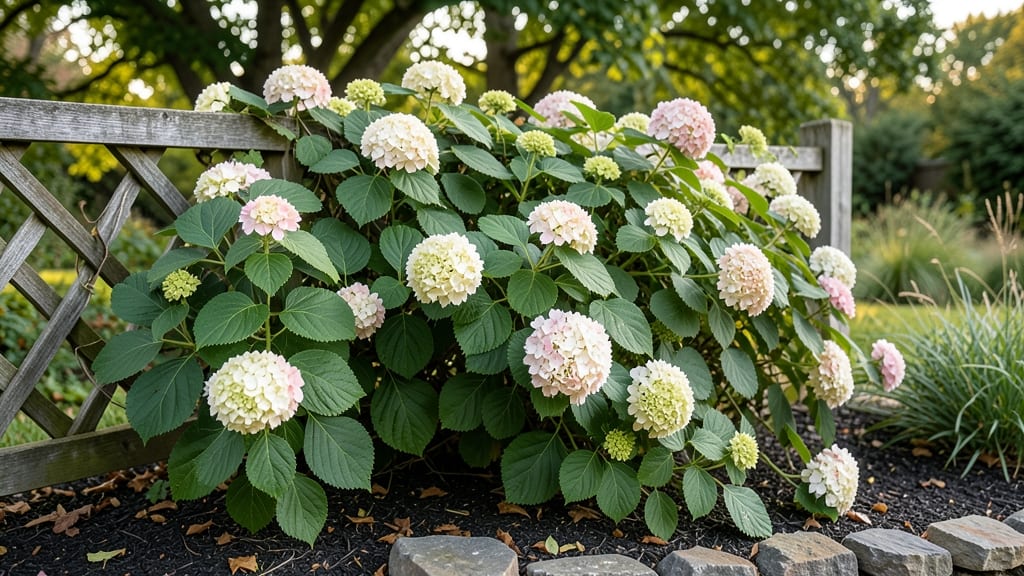
Growing climbing hydrangeas in shade 🌸 isn’t just possible—it’s where these vines truly shine, with lush foliage and stunning blooms even in low-light spots.
Picture this: a north-facing wall draped in cascading hydrangea flowers, or a trellis bursting with color where sun barely reaches. The key isn’t just finding the right spot—it’s knowing how to prune them to keep those vines vigorous and blooms abundant year after year.
Too much shade can slow growth, while poor pruning habits might leave you with leggy stems and sparse flowers. But with the right techniques—timing cuts, choosing support structures, and adjusting for seasonal light changes—you’ll turn even the darkest corner into a thriving vertical garden.
In this guide, I’ll walk you through the exact pruning steps, the best varieties for shade, and how to troubleshoot common issues like yellowing leaves or stunted growth. Let’s get those climbing hydrangeas looking their best, no matter how much shade they’re in.
 Best Window Placement
Best climbing Hydrangea varieties for shade gardens & pruning needs
If you're dreaming of a vertical garden filled with romantic blooms in your shady backyard, climbing hydrangeas are your perfect solution. Unlike their mounding cousins, these woody vines cling to walls, trellises, and fences with aerial roots, creating stunning living tapestries of flowers.
The key to success? Choosing the right shade-tolerant varieties and understanding their unique pruning needs.
Not all climbing hydrangeas perform equally in low-light conditions. Some varieties, like Hydrangea petiolaris, thrive in deep shade, while others need filtered light to produce their best blooms.
Below, I’ll break down the top shade-loving climbing hydrangeas, their growth habits, and how to prune them for maximum floral displays without sacrificing vine health.
First, let’s address the biggest misconception: climbing hydrangeas aren’t just about pretty flowers. Their foliage—especially in varieties like Hydrangea quercifolia—adds year-round interest with exfoliating bark and seasonal color shifts.
But to keep them looking their best, you’ll need to prune strategically, focusing on encouraging new growth while preserving their climbing structure.
Here’s the non-negotiable rule: Never prune in late summer or fall. This timing can remove next year’s flower buds, leaving you with bare vines come spring. Instead, prune in late winter or early spring, just as new shoots begin to swell.
For varieties that bloom on old wood, like Hydrangea petiolaris, this timing is critical.
| Variety | Shade Tolerance | Bloom Time | Pruning Time | Mature Height | Notes |
|---|---|---|---|---|---|
| Hydrangea petiolaris | Deep shade (1-2 hrs light) | Mid to late summer | Late winter/early spring | 20-30 ft | Classic climbing hydrangea; needs support to attach |
| Hydrangea quercifolia 'Snowflake' | Partial shade (3-4 hrs light) | Late spring to summer | Late winter/early spring | 15-20 ft | Oakleaf hydrangea; fragrant blooms and stunning fall color |
| Hydrangea anomala subsp. petiolaris 'Miranda' | Deep to partial shade | Summer | Late winter/early spring | 25-30 ft | Hardier than H. petiolaris; drought-tolerant |
| Hydrangea seemannii | Partial shade (4-6 hrs light) | Summer to fall | After flowering | 10-15 ft | Smaller blo
Step-by-step pruning guide for climbing hydrangeas in shade: when & how to cutClimbing hydrangeas like Hydrangea petiolaris thrive in shade but need precise pruning to maintain their vibrant blooms and dense vines. Unlike sun-loving varieties, shade-grown climbing hydrangeas bloom on old wood, so timing and technique are everything. Prune too late or too aggressively, and you risk losing next year’s flowers entirely. Your goal is to encourage new growth while preserving last year’s flower buds. Start by gathering the right tools: sharp bypass pruners, sterilized loppers for thicker stems, and gloves to protect from thorns. Always sterilize tools with rubbing alcohol to prevent disease spread between cuts. Seasonal Pruning Schedule for Climbing Hydrangeas in Shade
When pruning, always cut at a 45-degree angle about 1/4 inch above a bud or outward-facing leaf. This angle helps water runoff and reduces rot risk. For thick vines, make two cuts: first to notch the stem, then a second to remove the branch cleanly without tearing. Watch for new growth after pruning—it should emerge green and firm within 4-6 weeks. If growth is yellow or stunted, you may have pruned too late or too aggressively. In shade, climbing hydrangeas grow slower, so patience is key. Avoid cutting back more than 1/3 of the vine in any single season. Protect your cuts with a light coating of pruning sealant if your climate is humid or rainy. This prevents bacterial infections that thrive in moist shade conditions. After pruning, water deeply to reduce stress on the plant and encourage root growth for next year’s blooms. With consistent pruning, your climbing hydrangeas will reward you with year-round interest—lush foliage in summer, spectacular blooms in late summer, and textural winter stems. The key is less is more: focus on health over size, and your shade-loving vines will thrive for decades. 🌿✂️🌸 |