
Shrubs
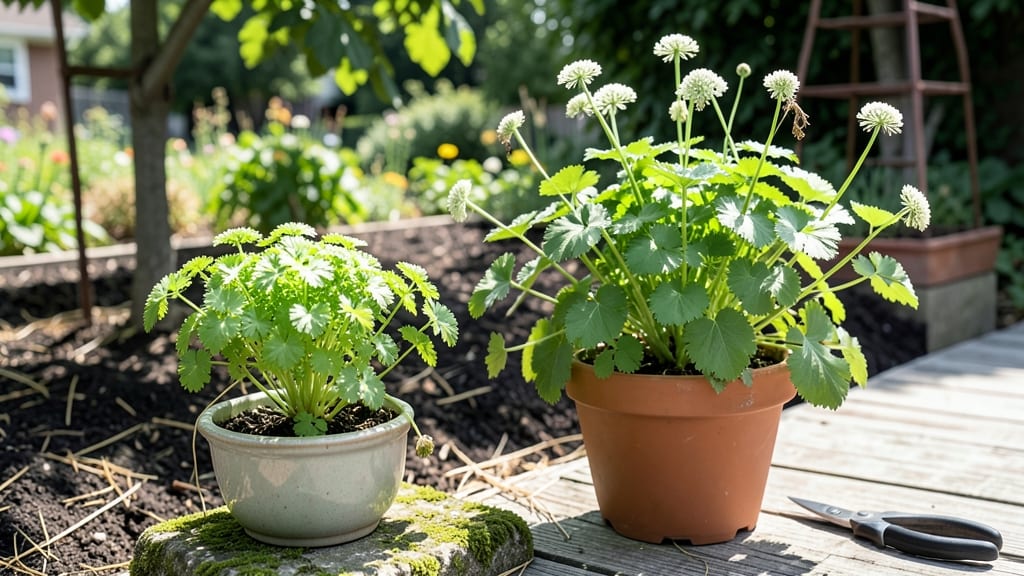
Cilantro thrives in partial shade but can handle sun—if you pick the right variety and timing 🌿. The struggle to keep cilantro alive through summer is real, but the secret lies in balancing light exposure and choosing heat-tolerant types.
Too much sun sends cilantro bolting (flowering) faster, while too little shade can make leaves bitter. The key is finding the sweet spot: 4-6 hours of morning sun in hot climates or dappled light all day in cooler zones.
In this guide, I’ll break down which cilantro varieties handle sun best, how to adjust care based on your garden’s light, and simple tricks to prevent bolting—so you can enjoy fresh leaves all season long.
Whether you’re growing in containers or the ground, these tips will help you grow cilantro that stays tender, flavorful, and ready to harvest for months.
 Best Window Placement
Best cilantro varieties for sun or shade gardens
Cilantro is one of those herbs that can be finicky—especially when it comes to sunlight. Too much sun, and it bolts quickly; too little, and growth stalls. The key to success lies in choosing the right cilantro varieties that match your garden’s light conditions.
Whether you’re working with partial shade under tall trees or morning sun in a container, specific types are better suited to handle the stress. Let’s explore the top cilantro varieties that thrive in both sun and shade, along with their unique traits.
Most gardeners assume cilantro needs full sun, but the truth is, it often performs better with partial shade in hot climates. Varieties like Calypso and Slow Bolt are bred to resist bolting—even when exposed to moderate sunlight.
Meanwhile, traditional Sativa types may struggle in intense heat, making them better suited for cooler, shadier spots. Understanding these differences can mean the difference between a thriving herb garden and a disappointing harvest.
Here’s a quick breakdown of what to expect: Slow Bolt varieties are the most adaptable, handling both sun and shade with ease. Calypso cilantro, on the other hand, leans toward shade tolerance but still needs a few hours of indirect light.
Meanwhile, Santo and Leisure varieties are more sun-tolerant but may bolt faster in extreme heat. Choosing the right type for your garden’s light conditions will extend your harvest window and improve flavor.
| Variety | Sun Tolerance | Shade Tolerance | Bolting Resistance | Flavor Profile |
|---|---|---|---|---|
| Slow Bolt | Moderate (4-6 hrs/day) | High (partial shade) | Excellent (slow to bolt) | Classic, fresh, slightly spicy |
| Calypso | Low (2-4 hrs/day) | Very High (shade-loving) | Good (bolts slower than Sativa) | Mild, sweet, less bitter |
| Santo | High (6+ hrs/day) | Moderate (needs some light) | Moderate (bolts in heat) | Bold, spicy, tangy |
| Leisure | Moderate (4-5 hrs/day) | High (adapts well) | Excellent (slow bolt) | Balanced, fresh, mild |
| Sativa (Standard) | Low (2-4 hrs/day) | Very High (prefers shade) | Poor (bolts quickly) | Strong, spicy, bitter |
The Slow Bolt variety is a favorite among gardeners in warmer climates because it resists bolting even when exposed to 4-6 hours of sunlight. This makes it ideal for containers on patios or sunny windowsills.
Its flavor is classic—bright, fresh, and slightly spicy—making it perfect for salsas, soups, and garnishes. If you’re growing cilantro in a spot with morning sun and afternoon shade, this variety will reward you with a longer harvest season.
For gardeners with limited sunlight, Calypso cilantro is a game-changer. It thrives in partial shade and even performs well under dappled light from trees. The trade-off? It has a milder flavor compared to traditional types, but it’s less likely to bolt prematurely.
This makes it a great choice for shaded balconies or the base of tall shrubs where direct sun is scarce. Its slower growth rate also means you’ll need to be patient, but the payoff is a steady supply of fresh leaves.
Santo cilantro is the bold choice for gardeners who want intense flavor and can provide full sun exposure. This variety handles heat better than most, making it a top pick for southern climates. However, it’s prone to bolting if temperatures rise above 80°F, so early morning harvesting is key. If you’re growing it in a sunny spot, consider providing afternoon shade during peak summer months to delay bolting and extend your harvest.
If you’re torn between sun and shade, Leisure cilantro strikes a balance. It tolerates moderate sunlight and adapts well to partial shade, making it a versatile option for mixed-light gardens. Its flavor is milder than Santo but more robust than Calypso, giving you a middle-ground option.
This variety is especially useful if your garden has variable light conditions, like a spot that gets morning sun but is shaded in the afternoon.
Finally, traditional Sativa cilantro is the most shade-tolerant but also the most prone to bolting. It’s best suited for cool, shady gardens where temperatures stay mild. While its flavor is strong and spicy—ideal for Mexican dishes—its short lifespan means you’ll need to sow seeds frequently for a continuous harvest.
If you love the authentic cilantro taste but struggle with heat, this variety might still be worth a try in a shaded spot.
Choosing the right cilantro variety for your garden’s light conditions isn’t just about preventing bolting—it’s also about flavor and yield. Experiment with a few types to see which thrives best in your space.
And remember, even the most sun-loving cilantro will benefit from a little afternoon shade during the hottest months of the year. With the right variety and care, you’ll enjoy fresh cilantro straight from
How to grow cilantro in sun vs. shade conditions
Cilantro thrives in partial shade, but its tolerance for sun varies by variety and climate. Too much direct sunlight can cause bolting (flowering early), while too little light leads to leggy, weak growth.
The key is finding that sweet spot—4-6 hours of morning sun with afternoon shade works best for most gardeners.
In hot, sunny climates, cilantro may bolt within weeks if exposed to full sun. Conversely, in cooler, shady spots, it grows slowly and may develop bitter flavors. Your goal is to mimic cilantro’s natural Mediterranean habitat, where it enjoys mild light and consistent moisture.
🌿 Cilantro Light Rules
🌞 Full Sun: Only for heat-tolerant varieties (e.g., Slow Bolt) in cooler climates. Risk of bolting if temps exceed 75°F.
☁️ Partial Shade: Ideal for most varieties. Morning sun + afternoon shade prevents bolting and maintains flavor.
🌳 Deep Shade: Use for indoor growing or shady patios. Growth slows; supplement with grow lights for 6+ hours/day.
Start by amending your soil with compost or aged manure to improve drainage—cilantro hates soggy roots. For sunny spots, plant in late summer or early fall to avoid heat stress. In shady areas, sow seeds in spring or early summer when soil is still cool.
Water deeply twice weekly, keeping soil evenly moist but never waterlogged. In full sun, mulch with straw or shredded leaves to retain moisture and cool roots. For shady conditions, reduce watering slightly to prevent fungal issues like leaf drop.
Space seeds 6-12 inches apart in rows 12-18 inches apart for airflow. In containers, use 5-inch pots with drainage holes. Pair cilantro with lettuce, beans, or radishes to improve growth, but avoid planting near dill or fennel, which cross-pollinate and cause bolting.
Watch for bolting signs: tall stems, yellowing leaves, or white flowers. If this happens, harvest immediately or pull the plant to prevent seed spread. For bitter leaves, trim outer leaves first and avoid stressing the plant with extreme heat or drought.