
Light Requirements
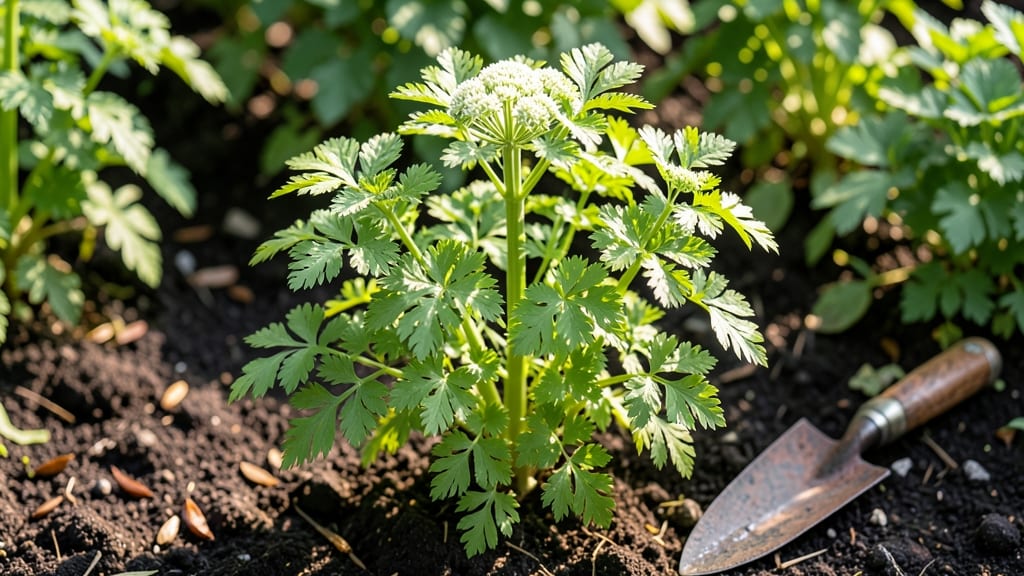
Deciding between cilantro in full sun or shade can make or break your harvest—here’s what works (and what doesn’t). 🌿 I learned this the hard way when my cilantro bolted mid-summer after too much direct sun. The secret is morning light for growth, afternoon shade for flavor and longevity.
Most gardeners overlook how cilantro's light needs change with seasons. In cooler months, it tolerates more sun, but once temperatures hit 75°F, it's shade or bolting. A simple solution? Use dappled shade cloth in peak heat or plant near taller veggies that provide natural shade.
You'll get the most flavor when cilantro gets 4-6 hours of morning sun and afternoon shade. The leaves stay tender, the roots stay cool, and you avoid that bitter, bolted taste. For containers, place them where they get morning light and afternoon relief from harsh rays.
Indoor growers can mimic this with a south-facing window for morning sun and sheer curtains for afternoon filtering. The key is consistency—cilantro hates temperature swings more than it hates shade. With the right light balance, you'll harvest fresh cilantro all season long.
📚 In This Guide
- What you need
- Instructions
- Tips and common mistakes
- Wrapping up and next steps
What you need
- ● Cilantro seeds – Opt for organic, non-GMO seeds (about 1/4 cup per 10 sq ft).
- ● Growing containers or garden bed – Choose pots with drainage holes (6–12" deep) or a well-prepared soil bed.
- ● High-quality potting mix or garden soil – Use a blend with good drainage (e.g., 60% topsoil, 30% compost, 10% perlite).
- ● Watering can or hose with a gentle spray nozzle – Cilantro hates soggy roots!
- ● Gloves – Protect your hands from soil and prickly stems.
- ● Trowel or hand shovel – For planting seeds 1/4" deep.
- ● Mulch (straw or shredded leaves) – Helps retain moisture and suppress weeds.
- ○ Shade cloth (optional) – Use 30–50% shade fabric if growing in hot climates.
- ● Fertilizer (balanced, 10-10-10 or compost tea) – Apply lightly every 3–4 weeks.
How to grow cilantro in sun or shade
Here's how to coax the most flavorful cilantro—whether your garden gets blazing sun or dappled shade.
🌱 Step 1: Choose the Right Location for Your Cilantro
Cilantro thrives in cool weather and handles both sun and shade—but with key differences. For full sun, pick a spot that gets 4-6 hours of direct light daily, especially morning sun. Afternoon sun in hot climates can cause bolting (when it flowers prematurely). In shade, choose a spot with 3-4 hours of filtered light—too little light leads to leggy, weak plants.
I always test my spot first by watching how other plants grow there. If your basil or lettuce thrives, your cilantro will too. Just remember: shade-grown cilantro stays tender longer but may have milder flavor, while sun-grown cilantro packs more punch but bolts faster in heat.
☀️ Step 2: Prepare Soil for Optimal Growth
Cilantro needs well-draining, fertile soil with a pH between 6.2 and 6.8. Work in 2-3 inches of compost or aged manure before planting to give roots a nutrient boost. If your soil is heavy clay, mix in sand or perlite to improve drainage—cilantro roots rot easily in soggy conditions.
I like to add a handful of fish emulsion at planting time for extra nitrogen, which keeps leaves lush. Avoid fresh manure—it can burn young seedlings. After amending, rake the soil smooth to create a fine seedbed. The goal is a texture like crumbled cake, not packed dirt.
🌱 Step 3: Plant Seeds at the Right Time and Depth
Sow seeds ¼ inch deep, spacing them ½ inch apart in rows 12-18 inches apart. Cilantro seeds germinate best in soil temperatures between 60-70°F—too hot, and they bolt; too cold, and they rot. In hot climates, plant in early spring or late summer for cooler conditions. In cooler zones, you can grow cilantro fall through early spring.
Water gently after planting—a fine mist is best so seeds don’t wash away. Cover with a lightweight row cover if nights are chilly (below 50°F) to protect young seedlings. You’ll see sprouts in 7-14 days, but don’t be alarmed if germination takes longer in shade—cool, damp conditions slow things down.
💧 Step 4: Water and Maintain for Best Flavor
Keep soil consistently moist but never soggy—cilantro wilts fast when dry. Water at the base of plants in the morning to reduce evaporation and fungal risks. In full sun, you may need to water daily during hot spells, while shade-grown cilantro holds moisture longer and needs watering every 2-3 days.
Here’s the trick to prevent bolting: Harvest regularly. Snip outer leaves when they reach 3-4 inches tall, leaving the inner stems intact. This encourages bushier growth and delays flowering. If your cilantro starts sending up flower stalks too soon, it’s time to pull and replant—bolted cilantro tastes bitter and seeds quickly.
✂️ Step 5: Harvest and Extend the Season
Harvest leaves from the bottom up to encourage new growth. For the freshest flavor, pick in the morning after dew dries. You’ll get 4-6 harvests from one planting before bolting sets in. To extend your season, sow new seeds every 2-3 weeks—this "succession planting" keeps cilantro on your table year-round.
If your cilantro bolts anyway, don’t toss it! The seeds (called coriander) are edible and aromatic. Dry the stalks in a bundle and grind them for a unique spice blend. And if you’re growing in shade, you might get lucky—some varieties, like ‘Slow Bolt’ or ‘Calypso’, stay leafy longer in cooler conditions.
Tips & tricks for growing flavorful cilantro in any light
Here's what nobody tells you about growing cilantro that'll make all the difference between decent and extraordinary harvests.
Light Balance Secret: In Step 1, when choosing your spot, pay attention to the quality of light, not just quantity. Morning sun is ideal because it's less intense than afternoon heat. If you're growing in shade, look for areas with dappled light—think under fruit trees or near buildings where sunlight filters through. I've found that cilantro grown in partial shade with just 3-4 hours of filtered light stays tender for weeks longer than sun-grown plants. The key is avoiding harsh afternoon rays that trigger bolting.
Soil Texture Matters: In Step 2, don't just focus on nutrients—texture is equally important. I've learned this the hard way after ruining three batches with compacted soil. Aim for a soil texture that crumbles easily between your fingers like cake crumbs. If your soil is heavy clay, mix in equal parts sand and compost to create that perfect loose, airy medium. This prevents root rot and allows water to drain properly, which is crucial since cilantro roots are particularly sensitive to soggy conditions.
Germination Timing: When planting in Step 3, remember that soil temperature is everything. The ideal 60-70°F range is non-negotiable for germination. If your soil is cooler than 50°F, use a seedling heat mat or wait until temperatures rise. I've had success with shade cloth over the bed to keep soil warm. And here's a pro move: soak your seeds overnight before planting—they'll sprout faster, especially in cooler conditions. You'll see those first little leaves in just 7-14 days with this method.
Harvesting Strategy: In Step 4, when you're ready to harvest, here's the technique that changed everything for me. Instead of cutting the whole plant, use clean scissors to snip just the outer leaves, leaving the inner growth intact. This encourages the plant to branch out and gives you more harvests. I've gotten up to 6 harvests from single plants using this method—double what I used to get! And always harvest in the morning when the leaves are most flavorful and crisp.
Pro Tips for Cilantro Full Sun Or Shade
- Here's what nobody tells you about growing cilantro that'll make all the difference between decent and extraordinary harvests.
- Light Balance Secret: In Step 1, when choosing your spot, pay attention to the quality of light, not just quantity.
- Soil Texture Matters: In Step 2, don't just focus on nutrients—texture is equally important.
Frequently asked questions
about growing cilantro in full sun or shade—because even the greenest thumbs have questions!Can cilantro grow in full sun or does it need shade?
Cilantro thrives in partial shade (4–6 hours of sunlight) but can tolerate morning sun in hot climates. Full sun (6+ hours) may cause it to bolt (flower prematurely) or wilt. If you must grow it in full sun, opt for heat-tolerant varieties like ‘Santo’ or ‘Calypso’ and keep soil moist.
Why does my cilantro turn bitter or bolt in full sun?
Cilantro bolts (sends up flowers) when stressed by heat or long daylight. Full sun accelerates this process. To delay bolting, harvest leaves regularly, mulch to retain moisture, and consider shade cloth (30–50%) in peak afternoon sun. Varieties like ‘Slow Bolt’ are bred to resist heat.
How much shade is too much for cilantro?
Cilantro needs at least 4 hours of sunlight daily to grow well. Too little light (e.g., deep shade under trees) leads to leggy, sparse plants. If your yard is shady, try a south-facing window or grow cilantro in containers near a sunny spot. Dwarf varieties like ‘Criollo’ adapt better to low light.
Can I grow cilantro indoors under artificial light?
Yes! Use a grow light (LED or fluorescent) 12–16 hours/day, 6 inches above plants. Keep soil moist and rotate the pot weekly for even growth. Cilantro indoors may still bolt faster than outdoors, so harvest leaves before flowers appear. A sunny windowsill (south-facing) works too but may not provide enough light long-term.
What’s the best alternative if cilantro hates my climate?
If cilantro struggles in your sun/shade conditions, try:
- Coriander (different from cilantro!): The seeds are spicy like cilantro but the leaves are leafy and mild.
- Parsley: Slow-growing but shade-tolerant; great for garnishes.
- Chervil: Delicate, parsley-like flavor; prefers partial shade.
- Dill: Thrives in full sun and attracts pollinators.
Wrapping up and next steps
Whether you’re a sun-loving cilantro fan or prefer the gentler shade, the key to success is adapting to your climate and garden setup. 🌱 Start with the right soil, consistent watering, and patience—cilantro thrives when its needs align with your growing conditions.
Ready to harvest fresh, vibrant leaves? Grab your gloves, head to the garden, and watch your cilantro flourish! For extra tips, check out our cilantro care calendar to time your planting and harvesting like a pro.