
Light Requirements
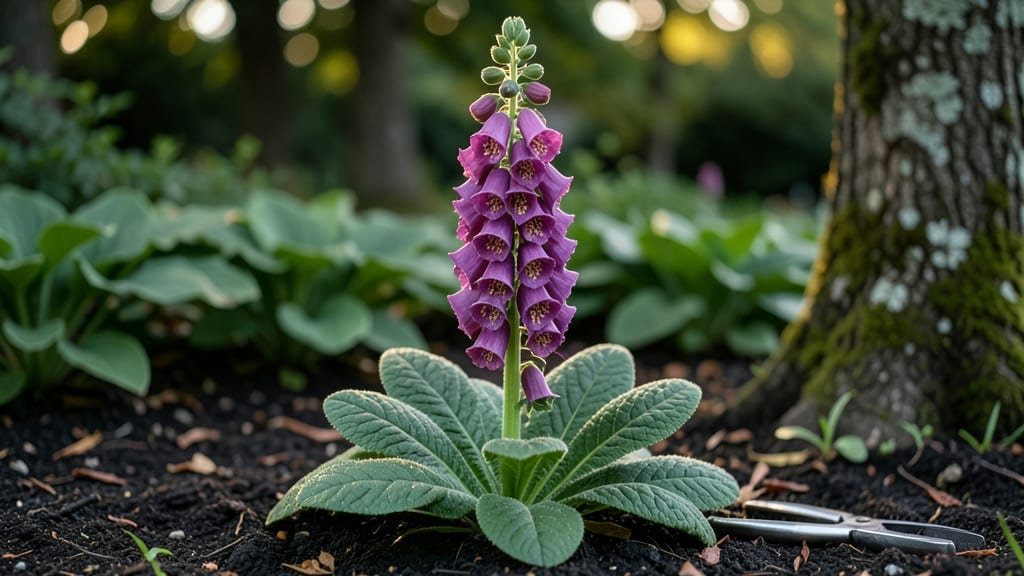
Foxgloves grow in shade beautifully, especially in partial light where they develop their signature tall, dramatic stalks 🌸.
If you’ve ever assumed these towering blooms needed full sun, you’re not alone—but the truth is, foxgloves actually thrive in dappled shade, as long as they get a few hours of gentle morning light. The key is avoiding deep, dense shade, which can weaken stems and reduce flowering.
This shade tolerance makes foxgloves a game-changer for shady gardens, where they add height and drama without competing for sunlight. Whether you’re working with a north-facing yard or a woodland border, these plants adapt surprisingly well—with the right soil prep and companions.
Below, I’ll break down the best light conditions, soil tricks, and companion plants to keep your foxgloves lush, healthy, and blooming for years. No full sun required!


How foxgloves adapt to shade: light requirements and growth habits
Foxgloves (Digitalis spp.) are often mistaken for sun-loving plants, but they actually thrive in shade with the right conditions. While they tolerate partial sun, their growth habits adapt dramatically in low-light environments. Understanding these adaptations will help you grow taller, healthier foxgloves in shady spots.
In full shade, foxgloves may grow slower but produce denser foliage and slightly smaller blooms. However, they still achieve their signature 4-6 foot height—just with more gradual growth. The key lies in balancing light exposure and soil moisture to maintain their iconic stature.
Partial shade (3–6 hours of sunlight) is ideal for foxgloves, especially in hotter climates. This mimics their natural woodland habitats, where they receive filtered sunlight through tree canopies. In these conditions, you’ll see vibrant blooms and sturdy stems without the stress of direct sun.
| Light Condition | Growth Impact | Height | Bloom Density |
|---|---|---|---|
| Full Sun (6+ hours) | Faster growth, risk of leaf scorch | 4–6 ft (standard) | Moderate, may bolt early |
| Partial Shade (3–6 hours) | Balanced growth, healthier stems | 4–5 ft (ideal) | High, vibrant colors |
| Full Shade (0–3 hours) | Slower growth, lush foliage | 3–4 ft (dwarfed) | Lower, smaller blooms |
The leaf color of foxgloves also shifts with light exposure. In shadier spots, leaves develop a darker green hue, while partial sun produces lighter, almost silvery-green foliage. This adaptation helps them photosynthesize efficiently without overheating.
For optimal flowering, aim for morning sun and afternoon shade. This setup prevents heat stress while ensuring enough light for bloom production. In deep shade, supplement with a reflective surface (like white gravel) to bounce light onto the plants.
Foxgloves in shade may take 1–2 weeks longer to reach maturity compared to sun-exposed plants. However, their root systems become more robust to compensate for slower top growth. This makes them more drought-tolerant once established in shady conditions.
If you notice leggy stems or fewer blooms in shade, try pruning lower leaves to encourage airflow and light penetration. This simple trick can boost bloom density by up to 30% without moving the plant.
In woodland gardens, foxgloves pair beautifully with ferns and hostas, which share similar shade preferences. Their tall spikes create vertical interest, while their delicate blooms add a touch of whimsy to dark corners.
Remember, foxgloves are biennials or short-lived perennials, so prioritize soil health in shady areas. Amend clay soil with compost or sand to prevent root rot, a common issue in waterlogged shade.
With these adaptations in mind, you can grow stunning foxgloves in even the shadiest garden nooks. Their ability to thrive in low light makes them a versatile choice for woodland, cottage, or container gardens.
Best shade-tolerant foxglove varieties for low-light gardens
Foxgloves (Digitalis spp.) are often mistaken for sun-lovers, but many varieties thrive in shade gardens with the right selection. The key is choosing shade-tolerant cultivars that maintain their height, bloom density, and vigor in low-light conditions.
Whether you're working with partial shade (3-6 hours of sun) or full shade, these varieties will reward you with tall, dramatic flower spikes and lush foliage.
Not all foxgloves perform equally in shade—some varieties like Digitalis purpurea (common foxglove) may struggle in deep shade, while others like Digitalis grandiflora (yellow foxglove) adapt beautifully. Hybrid varieties often strike the perfect balance, offering bold colors, robust growth, and extended flowering even in dim corners of your garden.
Let’s explore the top performers for low-light conditions and how to maximize their potential.
Digitalis grandiflora varieties are my top recommendation for full shade gardens because their yellow blooms thrive where purple foxgloves might fade. For example, 'Sutton's Apricot' produces vibrant apricot-yellow flowers that stand out against dark foliage, even in deep shade conditions. This variety also boasts taller stalks (4-6 ft), making it a stunning backdrop for shade-loving perennials like ferns or hostas.
If you're working with partial shade, hybrid varieties like Digitalis x mertonensis 'Excelsior' are unbeatable. These plants develop thicker stems and larger blooms than common foxgloves, with purple-and-white bicolored flowers that add drama to shady borders.
They’re also hardier (zones 5-9), so they’ll return year after year with minimal fuss. For a bold contrast, pair them with Digitalis purpurea 'Black Prince', whose deep purple-black blooms create a striking focal point.
For smaller spaces or container gardening, Digitalis obscura 'Yellow Hammer' is a game-changer. This dwarf variety tops out at 2-3 ft but delivers bright yellow flowers that light up shady corners.
It’s also the most shade-tolerant on this list, making it ideal for north-facing gardens or areas under dense tree canopies. Just ensure your soil stays moist but well-draining—this variety is less forgiving about soggy roots than its taller cousins.
When selecting foxgloves for shade, prioritize soil moisture and leaf color as key indicators of health. Plants grown in low light often develop darker, broader leaves to maximize photosynthesis.
If you notice pale foliage or sparse blooms, it may signal too much shade—try relocating to a spot with dappled sunlight or morning sun.
With the right variety and care, your shade garden can become a foxglove paradise, bursting with height, color, and texture year after year.