
Shrubs
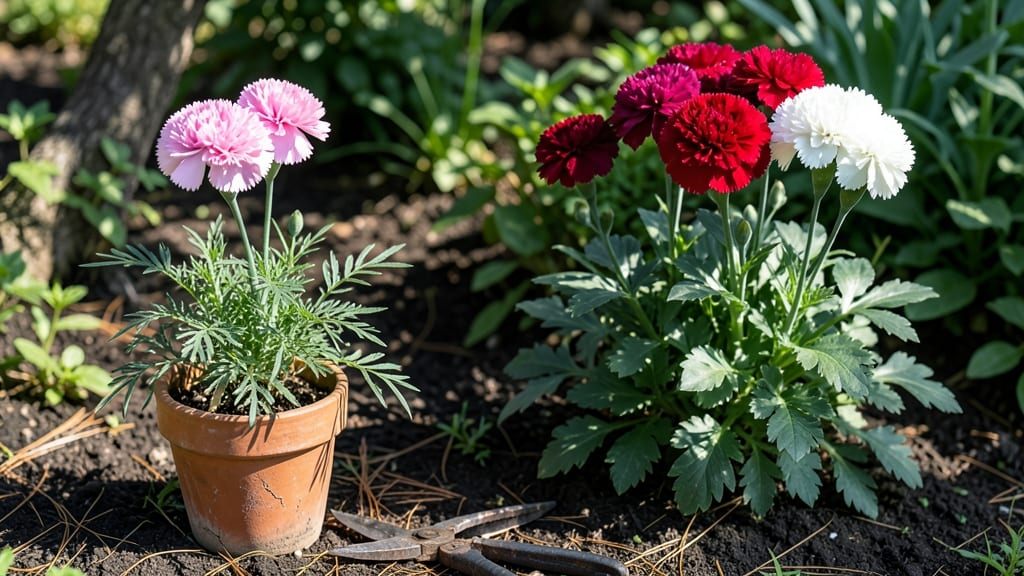
Carnations thrive in either sun or shade, but the right variety and care make all the difference for those year-round blooms you crave.
Picture this: your 🌸 carnations wilting by midsummer because they’re planted in too much shade, or struggling to open in winter because they’re not getting enough light. The solution? Choosing the right types for your garden’s natural conditions.
Whether you’re in USDA Zone 6a or a sunnier climate, I’ll show you which carnation varieties love full sun, which adapt to partial shade, and how to tweak soil, water, and fertilizing for each.
By the end, you’ll know exactly how to set up your carnations for longer blooms, stronger stems, and fewer missed opportunities to enjoy their vibrant colors.
 Best Window Placement
Sun-loving carnation varieties for full-bloom gardens
If you're dreaming of a garden bursting with vibrant carnation blooms that last all season, you need the right sun-loving varieties. These hardy plants thrive in 6+ hours of direct sunlight and reward you with bold, fragrant flowers from spring to fall.
Let's explore the best carnation types for your sun-drenched garden beds and containers.
Carnations aren't just one plant—they come in dozens of varieties, each with unique colors, sizes, and sun requirements. For full sun, focus on Chabaud, Dianthus, and Giant Florist types.
These varieties not only love sunlight but also produce long-lasting blooms perfect for cutting gardens or bouquets. Let's dive into the specifics of what makes them thrive.
⚠️ CRITICAL INSIGHT: While carnations tolerate partial shade, they'll produce fewer, smaller blooms without adequate sunlight. For the most vibrant displays, commit to full sun exposure and choose varieties bred for these conditions.
| Variety | Sun Needs | Bloom Color | Height | Care Tips |
|---|---|---|---|---|
| Chabaud | 6+ hours full sun | Pink, red, white | 12-24 inches | Deadhead regularly for continuous blooms |
| Giant Florist | 6+ hours full sun | Multi-color mixes | 18-24 inches | Stake tall varieties to prevent flopping |
| Dianthus 'Firewitch' | 6+ hours full sun | Crimson-red | 12-18 inches | Drought-tolerant once established |
| Picotee Series | 6+ hours full sun | White/pink edges | 12-18 inches | Pinch back early for bushier growth |
| Border Gem | 6+ hours full sun | Dwarf varieties | 6-12 inches | Perfect for container gardens |
The Chabaud carnation is my personal favorite for sun gardens because it produces large, ruffled blooms that last for days in vases. These varieties thrive in hot, dry climates and come in classic colors like pink, red, and white.
For continuous blooming, deadhead spent flowers every 3-5 days—this simple task encourages new buds to form.
If you're aiming for tall, dramatic displays, the Giant Florist carnation is unbeatable. These plants can reach 24 inches tall and produce 4-6 inch blooms in vibrant mixes.
However, they need staking to prevent flopping in windy conditions. Plant them 12-18 inches apart to give their roots room to spread.
For something more compact and colorful, try the Dianthus 'Firewitch' series. These crimson-red blooms stand out against green foliage and are drought-tolerant once established. They're perfect for rock gardens or borders where you want bold pops of color without high maintenance.
Don't overlook Picotee carnations if you love romantic, lacy flowers. Their white petals with pink edges create a dreamy effect in any garden. To encourage bushier growth, pinch back the tips of young plants when they reach 6 inches tall.
This trick produces more branches and flowers later in the season.
When planting sun-loving carnations, focus on well-draining soil mixed with compost to retain moisture. These plants prefer slightly acidic to neutral pH (6.0-7.0). Before planting, work in 1-2 inches of compost and a balanced fertilizer (10-10-10) to give them a strong start.
Watering is crucial—deep soak every 3-5 days during the growing season, but never let them sit in soggy soil. In extreme heat, you may need to water daily, especially for container-grown carnations.
Always water at the base of the plant to keep foliage dry and prevent fungal diseases.
One of my pro tips for sun-loving carnations is to mulch around the base with 2-3 inches of straw or shredded leaves. This helps retain moisture, regulate soil temperature, and suppress weeds—all while keeping your plants looking tidy.
Replenish the mulch every 2-3 months for best results.
With the right sun-loving varieties and proper care, your carnations will bloom nonstop from spring to frost. Try mixing Chabaud and Giant Florist types for a d
Best shade-tolerant carnations for low-light spaces
If your garden has partial shade—think dappled sunlight under trees or a north-facing patio—don't despair! Some carnation varieties thrive with just 3-6 hours of sunlight daily. The key is choosing the right types and adjusting soil conditions to mimic their natural preferences.
These shade-friendly carnations bring the same vibrant blooms without requiring full sun exposure.
My top recommendations include the 'Rainbow Bright' series, known for its compact growth and bright, multicolored flowers, and the 'Sweetheart' collection, which produces delicate pink and white blooms perfect for containers.
Both varieties tolerate morning sun with afternoon shade, making them ideal for eastern exposures or filtered light conditions.
Shade-Tolerant Carnations
- ✅ Pros
- 🌸 Bright blooms in low light
- 🌿 Compact growth ideal for containers
- 💧 Less watering needed than sun varieties
- 🌳 Thrives under trees with filtered light
Potential Challenges
- ⚠️ Cons
- 🌞 Fewer blooms than full-sun varieties
- 🌧️ Prone to mildew in damp shade
- 🔄 Requires rich soil for best results
- ⏳ Slower growth compared to sun lovers
For these shade-loving carnations to thrive, focus on soil preparation. Amend your garden beds with organic matter like compost or well-rotted manure to improve drainage and nutrient retention. A slightly acidic to neutral pH (6.0-7.0) works best—test your soil and adjust with lime if needed.
In containers, use a lightweight potting mix blended with perlite to prevent compaction.
Watering becomes slightly more critical in shade. Since partial shade can create more humidity, water deeply but less frequently—about once every 5-7 days—to encourage strong root development.
Always water at the base of the plant in the morning to reduce fungal risks. Mulch with straw or bark chips to retain moisture and keep roots cool.
Deadheading spent blooms is essential for encouraging continuous flowering, even in shade. Pinch back leggy stems by one-third after the first flush of blooms to promote bushier growth. In late summer, reduce fertilization to allow plants to harden off for fall.
With proper care, these shade-tolerant carnations will reward you with months of color when many sun-loving varieties fade.
If your space gets less than 3 hours of sunlight, consider adding a grow light for 4-6 hours daily to supplement natural light. A simple LED bulb placed 12 inches above the plants can make a dramatic difference in bloom production.
Remember, even shade carnations need some light to thrive—just not the harsh, direct sun that scalds leaves.