
Orchid Care
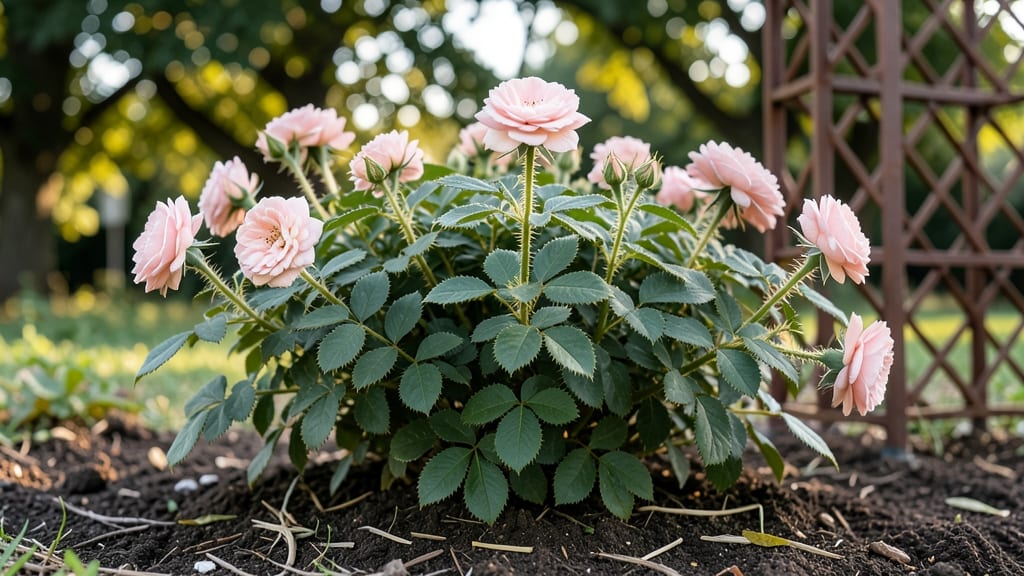
Growing a thriving moss rose 🌸 in sun or shade is easier than you think—once you know the light-specific tricks that keep those blooms coming.
Picture this: your moss rose sits in a sunny spot, but the flowers refuse to open, or you’ve tucked it in the shade, only to watch it stretch and pale. Those are classic signs your plant is begging for a light adjustment.
Sun lovers need 6+ hours of direct light to stay compact and colorful, while shade-adapted plants reward patience with delicate blooms in partial shade. The key? Matching care to the light—soil, water, and even pruning all change depending on whether your moss rose is basking or lounging.
Below, I’ll walk you through how to read your plant’s light needs, tweak its environment for year-round blooms, and troubleshoot the most common mistakes—whether your moss rose is wilting in the heat or fading in the shade.
 Best Window Placement
How sunlight affects moss rose growth and flowering patterns
Moss roses (Portulaca grandiflora) are sun-loving annuals that thrive when given the right balance of light. While they prefer full sun, their adaptability to partial shade makes them versatile for various garden spots.
Understanding how sunlight impacts their growth helps maximize blooms and plant health. Too little light leads to leggy stems and sparse flowers, while too much can stress delicate petals in extreme heat.
The key to vibrant moss roses lies in matching their light needs to your climate. In hot, dry regions, afternoon shade prevents wilting, while cooler zones benefit from morning sun.
Their succulent stems store water, but photosynthesis efficiency drops in low light, directly affecting flower production and stem thickness. Let’s break down how each light condition transforms their growth patterns.
In full sun, moss roses exhibit their most vibrant traits: compact growth and prolific blooms. Their succulent stems store water efficiently, reducing drought stress. However, in hot climates, afternoon shade (like from a lattice or nearby shrubs) prevents petal scorching.
I’ve seen moss roses in my USDA Zone 9a garden thrive with morning sun and afternoon shade, producing flowers from spring until frost.
When placed in partial shade, moss roses stretch toward light, creating leggy stems that weaken over time. This happens because their photosynthesis rate drops, forcing the plant to prioritize stem elongation over flower production.
In my experience, varieties like 'Scarlet Drum' handle partial shade better than pastel types, which need more light to maintain petal vibrancy.
Deep shade is the worst scenario for moss roses, as it triggers etiolation—a stress response where stems elongate rapidly while leaves turn pale. Without sufficient light, their energy shifts from blooms to survival, resulting in fewer, smaller flowers.
If you notice this, relocate the plant immediately or provide supplemental grow lights for 4-6 hours daily.
Seasonal adjustments are crucial. In spring and fall, moss roses tolerate partial shade as temperatures moderate, but summer’s intense sun demands afternoon protection. I’ve used 30-50% shade cloth in peak heat to prevent wilting while still allowing light penetration. This balance keeps their chlorophyll active without overheating the foliage.
Scientific insights reveal that moss roses have C4 photosynthesis pathways, making them efficient in high light but sensitive to shade-induced stress. Their stomata (pores) close under intense sun to conserve water, which is why morning watering is critical—it prevents moisture loss during peak sunlight hours.
This adaptation explains why they bloom more abundantly in bright, indirect light than deep shade.
To maximize blooms, pair sunlight with well-draining soil and moderate watering. Overwatering in shade exacerbates root rot, while underwatering in sun causes buds to drop. My trick?
Use container gardening with cactus/succulent mix to mimic their natural habitat. This ensures roots stay dry enough to prevent fungal issues while still absorbing moisture efficiently.
If your moss roses aren’t flowering as expected, check their light first. A simple test: hold a white sheet of paper under the plant at noon. If you see sharp shadows, it’s full sun.
If the light is diffused, it’s partial shade. Adjust accordingly—your moss roses will reward you with non-stop blooms all season long.
Sun vs. shade care: step-by-step light management guide
Moss roses (Portulaca grandiflora) are surprisingly adaptable, but their care shifts dramatically based on light exposure. In full sun, they produce bold, vibrant blooms and compact growth, while partial shade can prolong flowering and reduce stress in hot climates.
The key is adapting your watering, pruning, and soil strategies to match their light environment. Let’s break down how to optimize care for each scenario.
First, assess your moss roses’ current light conditions by observing their growth patterns. Plants in full sun will have thick, upright stems and fewer leaves, while those in shade may develop long, leggy stems with sparse blooms.
These visual cues help you tailor your approach—whether you’re adjusting shade cloths or amending soil for better nutrient uptake in low-light areas.
Adjust Pruning for Light Conditions
In full sun, prune spent blooms to encourage continuous flowering. In shade, prune leggy stems to promote bushier growth and redirect energy to blooms.
Amend Soil for Low-Light Adaptation
Shade-loving moss roses thrive in well-draining, organic-rich soil. Mix in compost or peat moss to improve moisture retention and nutrient availability. For full sun, add sand or perlite to prevent soil compaction.
Use Shade Cloths for Sun Protection
In intense afternoon sun, use 30-50% shade cloth to prevent leaf scorch and wilting. Secure cloths 3-4 feet above plants to allow airflow and avoid fungal issues.
Strategic Planting for Light Balance
Pair moss roses with tall plants (e.g., sunflowers) to filter harsh sun or low-growing foliage (e.g., sweet alyssum) to reflect light into shaded areas. This creates a microclimate that supports consistent blooms.
Troubleshoot Leggy Growth or Sparse Blooms
If your moss roses develop long, bare stems, they’re likely light-deprived. Move them to brighter conditions or supplement with a grow light. For fewer blooms, reduce nitrogen-rich fertilizer and increase phosphorus to boost flowering.
Seasonal adjustments are critical for moss roses in transitional climates. During summer, increase shade protection in hot zones (e.g., southern exposures) to prevent heat stress. In spring and fall, gradually introduce more sun to harden off shade-acclimated plants. This slow transition prevents sunburn and shock.
Monitor your moss roses weekly for signs of light stress, such as yellowing leaves (too much shade) or brown leaf edges (too much sun). Small adjustments—like rotating pots or trimming nearby foliage—can make a huge difference in their health and bloom production.
With the right light management, your moss roses will reward you with season-long color and minimal fuss.
🌸