
Light Requirements
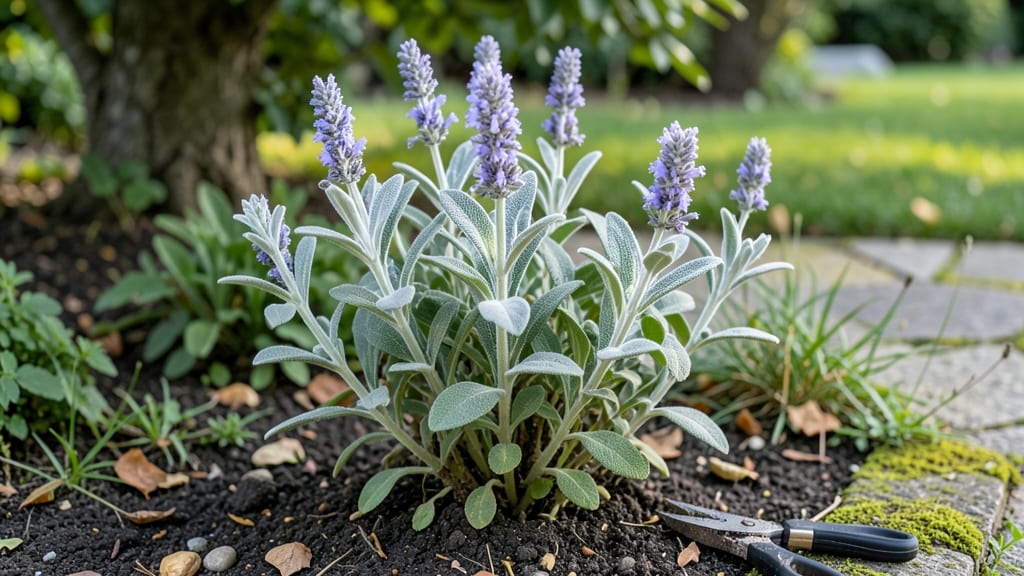
Growing sage in shade isn’t just possible—it’s a game-changer for gardeners with limited sunlight.
If you’ve ever struggled with sparse sage growth or wondered whether your shady garden spot could still yield fragrant, thriving herbs, you’re not alone. The truth is, while sage thrives in full sun, it can adapt to partial shade with the right care.
This means you don’t have to sacrifice that aromatic 🌿 herb just because your yard is on the darker side.
Sage’s secret lies in its flexibility. In partial shade, it may grow slower and produce fewer leaves, but with a few smart adjustments—like well-draining soil, the right container, or companion plants—you can coax it into lush, flavorful growth.
Even varieties like golden sage or pineapple sage can adapt, though they may need extra attention to keep their vibrant colors.
Below, I’ll break down how much shade sage can handle, the signs it’s thriving (or struggling), and 5 proven strategies to maximize its potential in low-light conditions.
Whether you’re working with a backyard corner or a sunny windowsill, you’ll learn how to keep your sage happy—and your kitchen stocked with fresh herbs.


How much shade can sage tolerate before struggling?
Sage (Salvia officinalis) thrives in full sun, but many gardeners ask: can sage grow in shade? The answer isn't black and white—it depends on the type of shade and your plant's specific needs.
While sage prefers 6-8 hours of sunlight, it can adapt to partial shade with the right conditions. Understanding the difference between light shade (dappled sunlight) and deep shade (minimal light) is key to success.
In nature, sage grows in rocky, sunny Mediterranean climates where light is abundant. When transplanted to shadier spots, its growth slows, and leaf quality often declines. However, with proper care, sage can survive—and even thrive—in 3-4 hours of morning sun combined with afternoon shade.
The challenge lies in balancing its need for light with the reality of your garden's conditions.
| Condition | Sage Growth Impact | Optimal Care |
|---|---|---|
| Full Sun (6+ hours) | Vigorous growth, strong aroma, compact shape | Standard care: well-draining soil, regular watering |
| Partial Sun (3-6 hours) | Moderate growth, slightly leggy stems, reduced aroma | Prune regularly, use well-draining soil, fertilize lightly in spring |
| Light Shade (2-3 hours) | Slow growth, pale leaves, weak stems, poor aroma | Container gardening with south-facing exposure, supplement with grow lights |
| Deep Shade (0-2 hours) | Stunted growth, yellowing leaves, high risk of disease | Not recommended; consider shade-tolerant alternatives like thyme or mint |
One common misconception is that all shade is equal. Dappled shade, where sunlight filters through tree leaves, is far better for sage than dense shade from tall structures. If your garden has morning sun and afternoon shade, sage can perform surprisingly well.
The key is ensuring it gets enough direct sunlight during peak hours (10 AM - 2 PM) when light intensity is highest.
Sage's ability to tolerate shade varies by variety. Golden sage and pineapple sage are slightly more adaptable than common culinary sage (Salvia officinalis), but all types will show signs of stress if deprived of light for too long.
For example, golden sage may develop paler foliage in shade, while pineapple sage might produce fewer flowers. If you're growing sage for culinary use, prioritize varieties that maintain flavor in lower light.
The science behind sage's shade tolerance lies in its photosynthesis rate. In low light, sage produces less chlorophyll, leading to weaker stems and less aromatic leaves. This is why shade-grown sage often tastes milder and has a more watery texture.
To counteract this, focus on improving soil fertility and drainage. Amending the soil with compost or organic matter can help compensate for reduced light exposure by providing essential nutrients.
Another critical factor is container gardening. Potted sage in shade has less access to nutrients and water, so it's essential to use a well-draining potting mix and fertilize lightly every 4-6 weeks during the growing season.
If your containers are in deep shade, consider moving them to a south-facing patio or balcony during the warmest months to give them a light boost. Even a few extra hours of sunlight can make a noticeable difference in growth and flavor.
Identifying the ideal balance between sun and shade for your sage requires observation. Start by placing your sage in the sunniest spot possible and gradually move it to shadier areas if needed. Watch for signs of leaf discoloration or stretched stems, which indicate it's not getting enough light.
If you notice these symptoms, it's time to adjust its position or supplement with a grow light for 4-6 hours per day.
For gardeners in USDA Zones 6-8, where shade can be more prevalent, sage can still thrive with careful planning. In cooler climates, sage's shade tolerance improves slightly because the plant's growth slows naturally.
However, in hot, humid zones, shade becomes more critical to prevent leaf scorch. Always monitor your sage's response to its environment and adjust accordingly.
Remember, even if your sage struggles in shade, it's not a lost cause. With the right care—proper soil, occasional pruning, and strategic placement—you can still enjoy a productive, fragrant herb.
The goal isn't to force sage to grow in deep shade but to find the sweet spot where it can thrive in your unique garden conditions. 🌿
5 Proven strategies to grow sage successfully in shade
Growing sage in shade might seem challenging, but with the right approach, you can cultivate a thriving herb even in low-light conditions. Sage (Salvia officinalis) is naturally adaptable, and while it prefers full sun, it can thrive in partial shade with some adjustments.
The key is mimicking its natural sunlight exposure and optimizing its growing environment.
From soil amendments to container gardening hacks, these strategies will help you maximize your sage’s potential, even when sunlight is limited. Whether you're working with a shady backyard or a sun-deprived windowsill, these tips will ensure your sage remains healthy, aromatic, and ready for harvest.
- 1 Amend soil with compost to improve drainage and nutrient retention. Sage in shade needs well-draining soil to prevent root rot.
- 2 Use containers with south-facing exposure to capture reflected light. Terracotta pots work well for heat retention and drainage.
- 3 Plant near taller plants like sunflowers or corn to create natural shade during peak sunlight hours, then allow morning sun exposure.
- 4 Supplement with grow lights for 6-8 hours daily during winter months. LED grow lights are energy-efficient and mimic sunlight.
- 5 Prune regularly to encourage bushier growth. Trim leggy stems to redirect energy toward leaf production.
One of the simplest ways to boost your shade-grown sage is by enriching the soil. Sage prefers well-draining, slightly alkaline soil with a pH between 6.0 and 7.5.
Mix in compost or aged manure to improve soil structure and fertility. This helps the plant absorb nutrients more efficiently, even in low-light conditions.
If your garden spot receives dappled shade from trees, consider planting sage in raised beds or elevated containers. These options allow for better drainage and root aeration, which are critical for sage health.
For example, a terracotta pot placed on a patio can capture reflected light from nearby surfaces, giving your sage an extra boost.
Companion planting can also work wonders for shade-grown sage. Pair it with low-growing companions like thyme or oregano, which share similar light and water needs. Avoid planting near competitive plants like mint or lamb’s ear, which can crowd out your sage.
Instead, use tall plants like sunflowers to create a natural shade cloth effect during the hottest part of the day.
Seasonal adjustments are key to keeping your sage thriving. During spring and fall, when sunlight is less intense, sage can handle more shade. However, in summer, even partial shade may not be enough.
If your sage starts looking leggy or pale, supplement with a grow light for 6-8 hours daily. LED grow lights are affordable and energy-efficient, making them a great solution for indoor or shaded outdoor gardens.
Finally, don’t forget to harvest regularly to encourage new growth. Pinch back the tips of stems to promote bushiness, and harvest leaves before the plant flowers for the best flavor.
With these strategies, your shade-grown sage will not only survive but thrive, providing you with fresh, aromatic leaves all season long.