
Shrubs
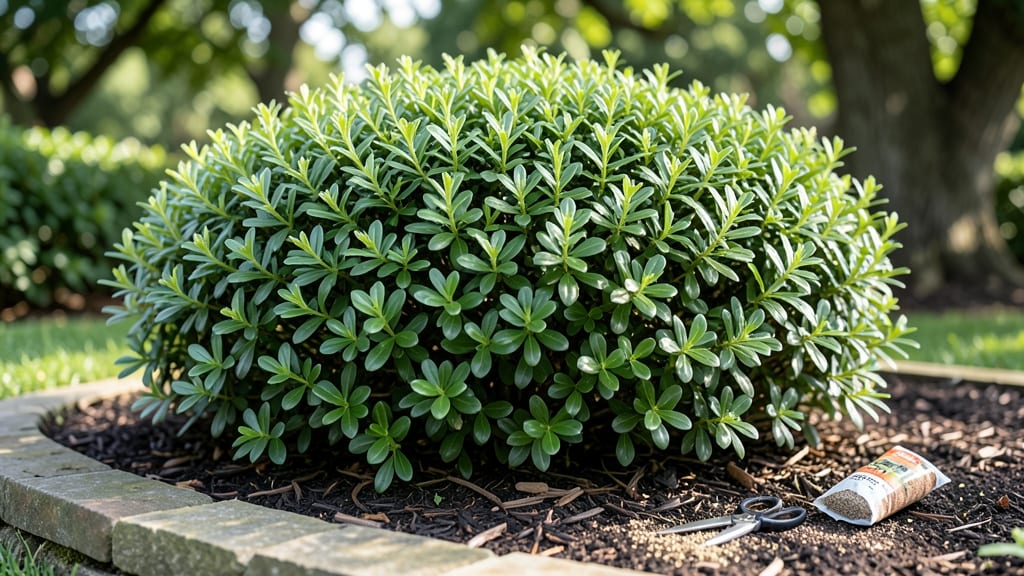
Boxwoods thrive where others fade—boxwood shade tolerance lets you create lush, evergreen privacy even in the darkest corners of your yard. 🌿 I’ve watched my shade-loving boxwoods stay vibrant for years while sun-starved neighbors’ plants struggle, and the secret isn’t complicated: they’re built for low-light resilience.
The key is matching their needs to your space, whether that’s dappled shade under trees or full shade along a north-facing wall.
Most boxwoods handle partial to full shade, but they still need at least 3-4 hours of filtered light daily to stay healthy. Too little light leads to sparse growth, pale foliage, or leggy stems—signs your plants are stretching for sunlight.
The fix? Prune to open up the canopy above, improve soil drainage, and feed them with slow-release fertilizer in early spring. My own boxwoods in a shady corner now look fuller than ever, thanks to these adjustments.
With the right care, your boxwoods will reward you with dense, glossy foliage that stays green year-round, even in winter. They’re also low-maintenance once established—just a light trim in late winter and occasional watering during dry spells.
Pair them with hostas or ferns for a shade garden that feels like a quiet retreat, and you’ll have a privacy screen that outlasts seasonal plants.
Works for any shaded yard, from city balconies to wooded backyards. The trick is patience—boxwoods grow slowly but steadily, filling in over time. Let’s get yours thriving in the shade!
📚 In This Guide
- What you need
- Instructions
- Tips and common mistakes
- Wrapping up and next steps
What you need
- ● Boxwood plants: Choose Buxus sempervirens or Buxus microphylla varieties (6–12" pots, 1–3 ft tall). Quantity depends on spacing—aim for 3–4 plants per linear foot for a dense hedge.
- ● High-quality soil: 3–5 bags of well-draining potting mix or amended garden soil (50% native soil, 50% compost or peat moss). Test soil pH (ideal: 6.1–7.0).
- ● Organic mulch: 2–3 cubic feet of pine bark, shredded leaves, or wood chips (2–3" layer to retain moisture).
- ● Fertilizer: Slow-release balanced fertilizer (10-10-10 or 20-20-20) or organic options like fish emulsion or compost tea.
- ● Hand trowel or transplant spade (for digging holes).
- ● Garden gloves (to protect hands from soil and sharp edges).
- ● Watering can or hose with a gentle spray nozzle (avoid over-saturating roots).
- ● Pruning shears (for shaping and maintenance).
- ● Measuring tape or stakes (to mark planting lines, 12–18" apart for hedges).
- ○ Optional: Soil pH test kit, root stimulator, or drip irrigation system for efficiency.
- ● Location: Partial to full shade (2–6 hours of sunlight daily). Avoid deep, dense shade (e.g., under mature trees with <10% light penetration).
- ● Water source: Ready access for deep watering 1–2x weekly (more in hot/dry climates).
- ● Time commitment: 1–2 hours for planting + 30–60 mins monthly for pruning/mulching.
How to plant and care for boxwoods in low-light spaces
Boxwoods thrive even where sunlight is scarce—here’s how to cultivate lush, evergreen privacy with minimal light demands.
🌱 Step 1: Choose the Right Boxwood Variety for Shade
Not all boxwoods tolerate shade equally. For deep shade (less than 3 hours of sunlight daily), select varieties like 'Winter Gem' or 'Dwarf Korean,' which handle low light better than others. These cultivars stay compact and retain their dark green color without bleaching. Avoid 'Green Velvet' or 'Emerald Green'—they need more light to maintain vibrant foliage.
When purchasing, check the tag for shade tolerance ratings. Look for terms like "partial shade" or "full shade" explicitly mentioned. I always opt for dwarf varieties in tight spaces—they grow slowly and won’t outpace your landscape plan. Plant them in clusters of 3-5 plants per group to create instant fullness.
🪴 Step 2: Prepare the Planting Site for Low-Light Conditions
Boxwoods in shade need well-draining soil to prevent root rot. Amend your existing soil with 2-3 inches of compost mixed into the top 12 inches of the planting hole. This improves drainage and adds nutrients without overwhelming the plant. If your soil is clay-heavy, add a handful of perlite or coarse sand to break up compaction.
Dig the hole twice as wide as the root ball but only as deep. Boxwoods hate being planted too deep—their roots need air circulation. Set the plant so the top of the root ball sits 1 inch above ground level. This prevents water from pooling around the stem, which can cause rot in shaded areas.
☀️ Step 3: Position for Maximum Indirect Light Exposure
Even shade-tolerant boxwoods need some light to thrive. Place them where they’ll receive 3-6 hours of dappled sunlight daily, like under deciduous trees or near north-facing walls. Avoid areas with no direct light at all—these plants will grow leggy and sparse. If your space is truly dark, supplement with a grow light for 4-6 hours daily during winter months.
Watch for signs of stress: yellowing leaves or sparse new growth mean the plant isn’t getting enough light. In these cases, gradually move the plant to a slightly sunnier spot over 2-3 weeks to avoid shocking the roots. Boxwoods adapt slowly, so patience is key—don’t rush the transition.
💧 Step 4: Water Deeply and Maintain Consistent Moisture
Shade reduces evaporation, so boxwoods in low-light areas stay moist longer. Water deeply once a week during the first growing season, applying 1-2 gallons per plant until water drains through the soil. After establishment, water every 10-14 days, checking that the top 2 inches of soil feel dry before watering again.
Overwatering is the biggest mistake in shaded areas. Soggy soil leads to root rot, which boxwoods can’t outgrow. If the ground feels damp more than 3 inches down, wait before watering. Mulch with 2-3 inches of shredded bark to retain moisture and regulate soil temperature—this reduces how often you need to water.
✂️ Step 5: Prune Strategically to Encourage Dense Growth
Prune boxwoods in late winter or early spring before new growth begins. Use sharp shears to trim back 1/3 of the oldest growth each year to maintain shape and encourage fresh, vibrant foliage. In shaded areas, prune lightly—these plants grow slower and need less aggressive shaping.
Watch for dead or yellowing branches and remove them immediately. Deadheading spent blooms in spring keeps the plant looking tidy. Avoid heavy pruning in fall—it stresses the plant before winter dormancy. After pruning, apply a balanced fertilizer (10-10-10) to replenish nutrients lost during shaping.
Tips & tricks for perfect boxwood shade tolerance
These subtle adjustments make all the difference when cultivating boxwoods in shaded environments.
Variety Selection: The shade tolerance ratings on plant tags are your best guide—look for 'Winter Gem' or 'Dwarf Korean' specifically labeled for "full shade" conditions. These varieties maintain their dark green color and compact growth habit without needing supplemental light. I've seen 'Winter Gem' thrive in spots where other boxwoods become sparse and leggy.
Soil Preparation: The 2-3 inches of compost mixed into the top 12 inches of soil creates an ideal microclimate for roots in shaded areas. For clay-heavy soils, adding perlite or coarse sand improves drainage without altering the soil structure too dramatically. Remember, boxwoods hate soggy soil—this preparation prevents the root rot that plagues many shade plants.
Light Exposure Strategy: The 3-6 hours of dappled light requirement is absolute—this is the sweet spot where boxwoods maintain their dense growth without becoming stressed. If you must place them in deeper shade, supplement with grow lights for just 4-6 hours daily during winter months. I've found this small light boost prevents the yellowing leaves that signal light deprivation.
Watering Wisdom: That 10-14 day watering schedule after establishment might seem generous, but it's crucial in shaded areas where evaporation is minimal. The key is checking soil moisture—wait until the top 2 inches are dry before watering again. Overwatering is the silent killer of boxwoods in shade, so resist the urge to water on schedule without checking first.
Pro Tips for Boxwood Shade Tolerance
- These subtle adjustments make all the difference when cultivating boxwoods in shaded environments.
- Variety Selection: The shade tolerance ratings on plant tags are your best guide—look for 'Winter Gem' or 'Dwarf Korean' specifically labeled for "full shade" conditions.
- Soil Preparation: The 2-3 inches of compost mixed into the top 12 inches of soil creates an ideal microclimate for roots in shaded areas.
Frequently asked questions
about boxwood shade tolerance—because growing these evergreens shouldn’t be a guessing game!Can boxwood grow in full shade?
Boxwoods are shade-tolerant, but they thrive best in partial shade (3–6 hours of sunlight daily). In full shade, growth slows, and leaves may become sparse or yellow. If you must plant in deep shade, choose ‘Green Velvet’ or ‘Winter Gem’—they handle low light better than others.
How long does it take for boxwood to adjust to shade?
Give your boxwood 1–2 growing seasons (spring to fall) to acclimate. Prune lightly in early spring to encourage new growth. If leaves yellow after planting, it’s likely transplant shock—water deeply and avoid heavy pruning until established.
What’s the best boxwood variety for low-light areas?
For deep shade (under trees or north-facing walls), try:
- ‘Winter Gem’ – Compact, glossy leaves, cold-hardy.
- ‘Green Velvet’ – Dense, dark green, great for hedges.
- ‘Dwarf Korean’ – Slow-growing, handles neglect well.
Why are my boxwood leaves turning yellow in shade?
Yellowing in shade is often due to overwatering, poor drainage, or fungal issues (like box blight). Check soil moisture—boxwoods prefer consistently moist but well-draining soil. If leaves have brown spots, prune affected areas and apply fungicide in spring.
Can I plant boxwood under mature trees?
Yes, but competition for water/nutrients is real! Plant boxwood 3–5 feet from tree trunks and mulch heavily (3 inches of shredded bark) to retain moisture. Monitor for root competition—if the boxwood wilts, it may need regular deep watering during dry spells.
Wrapping up and next steps
Boxwoods are the perfect evergreen solution for low-light areas, thriving beautifully with minimal sunlight while offering year-round privacy and structure. Their adaptable nature makes them ideal for shady spots—just ensure proper soil drainage and occasional pruning to keep them lush.
Ready to transform your yard? Start by selecting the right variety (like 'Green Velvet' or 'Winter Gem') and plant with confidence—your shady sanctuary awaits! 🌿✨
- Next step: Browse boxwood varieties or schedule a consultation with a local nursery expert!