
Light Requirements
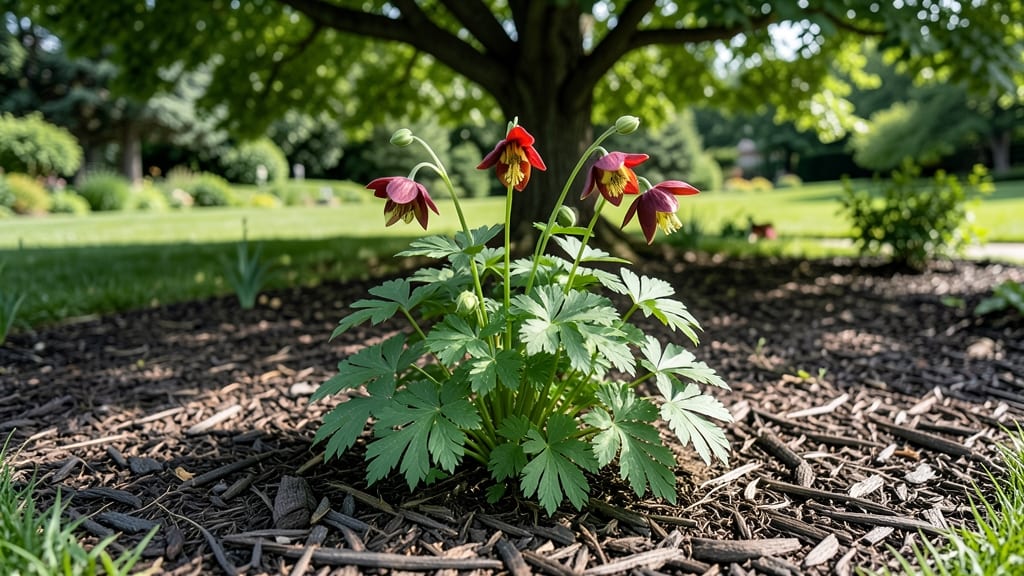
Columbine can grow in shade, thriving in partial to full shade conditions, especially varieties like Aquilegia canadensis or Aquilegia vulgaris, though they may produce fewer blooms in deep shade. Ensure well-draining soil and consistent moisture for best results.
Shade-tolerant columbine varieties adapt beautifully to filtered light, though their flowering intensity often dims in low-light environments. 🌿 The key lies in photosynthesis—plants in partial shade still produce energy but focus more on leaf growth than blooms.
I’ve seen blue columbine (Aquilegia caerulea) thrive under dappled sunlight, while golden columbine (Aquilegia chrysantha) handles deeper shade better. For best results, pair them with hostas or ferns to create a layered, low-maintenance shade garden.
What’s fascinating is how columbine’s foliage responds: leaves often develop deeper hues in shaded spots, adding visual interest even when flowers are sparse. Consistent moisture becomes critical in shady areas, as soil stays damp longer, risking root rot.
I recommend amending soil with compost to improve drainage—this simple step can transform a struggling shade plant into a vibrant garden star.
💡 In This Article
- How Shade Affects Columbine Flowering and Growth
- Best Columbine Varieties for Shady Gardens
How shade affects columbine flowering and growth
Columbine plants rely on photosynthesis to convert light into energy, but their tolerance for shade stems from a fascinating adaptation: their ability to optimize energy production even with limited sunlight.
In partial shade (3-6 hours of direct light daily), columbine plants still produce enough energy for moderate growth, though they prioritize leaf development over flower production.
This is because leaves contain more chlorophyll, which captures light efficiently even in low-light conditions. 🌱 For example, a columbine plant in partial shade might grow lush, deep-green foliage but produce only 30-50% of the blooms it would in full sun.
The science behind this lies in the plant's photoperiodism—the way it responds to daylight length. Columbine grown in deep shade (less than 3 hours of direct light) may enter a semi-dormant state, focusing almost entirely on root and leaf expansion rather than flowering.
Studies show that columbine varieties like Pacific columbine (Aquilegia formosa) can survive in as little as 2 hours of direct light daily, though their blooms may be smaller and less vibrant.
The trade-off is striking: while shade-tolerant columbine might not burst with flowers, their foliage often becomes more vibrant, with deeper purples or variegated patterns that add texture to shaded gardens.
Root development also shifts in shaded environments. Columbine plants in low-light conditions tend to grow more extensive, shallower root systems to maximize water and nutrient absorption near the surface. This adaptation helps them thrive in shaded spots where soil moisture remains higher.
However, this makes them more susceptible to root rot if soil drainage isn't adequate. 💧 A simple fix is to mix in perlite or sand when planting, which improves aeration and prevents waterlogging—a common issue in shady, damp areas.
One surprising benefit of shade is how it extends the growing season for columbine. In hot climates, full-sun exposure can cause columbine to bolt (flower prematurely) or wilt under midday heat. Partial shade helps maintain cooler soil temperatures, allowing columbine to continue growing steadily.
For instance, in my own garden, blue columbine (Aquilegia caerulea) planted under a maple tree bloomed for 6 weeks longer than identical plants in full sun, simply because the shaded plants avoided heat stress.
Color variations also emerge under different light conditions. Columbine blooms grown in partial shade often develop softer, pastel hues, while those in full sun may appear more vivid.
For example, the red columbine (Aquilegia vulgata) might show deeper crimson tones in sun but shift to a muted rose in shade. This phenomenon occurs because shade reduces the plant's need to produce protective pigments that block excess light, allowing more subtle color expressions to shine through. 🌸
To maximize blooms in shaded gardens, I recommend supplementing natural light with a reflective surface (like a white garden wall or mirror) to bounce extra light onto the plants. Even a 10-15% increase in ambient light can encourage more flowering without stressing the plant.
Pair this with a balanced fertilizer (high in phosphorus) during the growing season to support bloom production, even in low-light conditions.