
Light Requirements
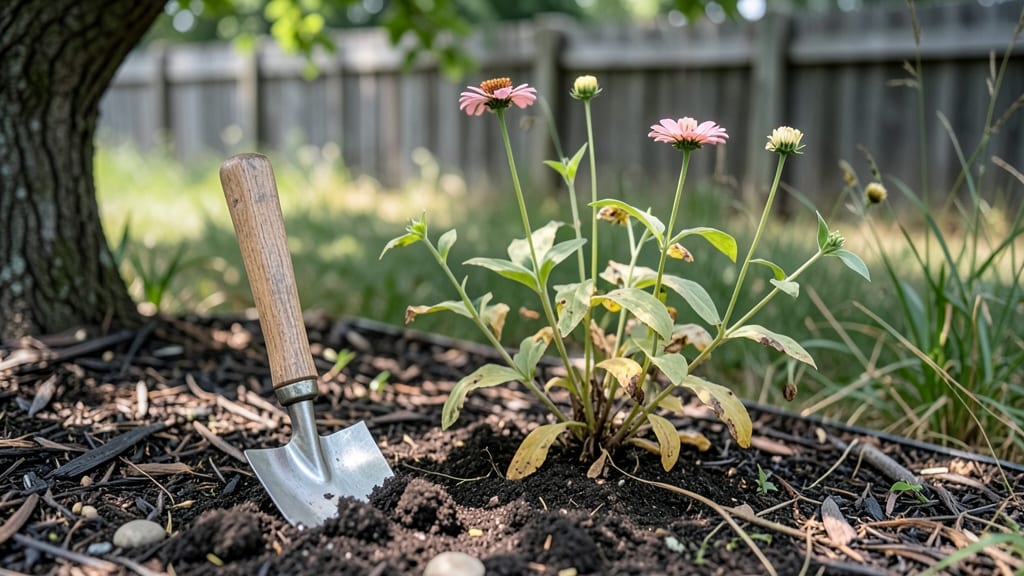
Growing zinnias 🌼 in shade isn’t impossible—it just requires the right approach and varieties to keep them happy and blooming.
You’ve probably heard that zinnias need full sun, but what if your garden spot is shadier than a cloudy afternoon? The good news is that some zinnias can tolerate partial shade, especially if you pick the right types and tweak a few care habits.
In this guide, I’ll break down which zinnias handle shade best, how to spot signs of struggle (like leggy stems or sparse blooms), and the simple adjustments—like soil prep and watering—that make all the difference.
Whether you’re working with a north-facing patch or a dappled woodland garden, you’ll find the best ways to grow zinnias that thrive without full sun.


How shade affects zinnia growth: sunlight requirements explained
Zinnias are famous for their vibrant blooms, but their sunlight requirements often leave gardeners puzzled. While they thrive in full sun (6+ hours daily), many varieties adapt surprisingly well to partial shade—if you understand the trade-offs.
The key lies in distinguishing between light shade (3–6 hours of sun) and deep shade (less than 3 hours), as this determines whether your zinnias will flourish or struggle.
In light shade, zinnias may produce fewer but larger blooms, while deep shade often results in leggy stems and sparse flowering. The challenge isn’t just about sunlight hours but also about light intensity—dappled shade from trees, for example, can work better than dense, filtered shade from buildings.
Let’s break down how to assess your garden’s shade and what to expect from your zinnias.
| Shade Type | Sunlight Hours | Zinnia Growth Impact | Best Varieties |
|---|---|---|---|
| Full Sun | 6+ hours | Optimal blooms, sturdy stems, vibrant colors | All varieties (e.g., 'Benary’s Giant') |
| Light Shade | 3–6 hours | Fewer blooms, taller stems, slower growth | 'Crystal,' 'Profusion Series' |
| Deep Shade | <3 hours | Leggy, sparse blooms, weak stems | Avoid; use containers near windows |
Assessing your garden’s shade starts with a simple sunlight audit. Use a sunlight tracker app or observe your space from morning to evening. Note where shadows fall at 10 AM, noon, and 4 PM—these are critical times for zinnias.
If your spot gets 3–6 hours of direct sun, you’re in the light shade zone, where zinnias can still perform well with adjustments. For deep shade, consider relocating or choosing container-friendly varieties near a sunny window.
One of the first signs your zinnias are stressed from shade is leggy stems and small, sparse blooms. This happens because the plant stretches toward any available light, weakening its structure. Another red flag is yellowing leaves, often a sign of nutrient deficiencies caused by slower photosynthesis.
If you notice these issues, don’t despair—pruning and fertilizing can help rebalance growth. Focus on cutting back leggy stems to encourage bushier, healthier foliage.
To mitigate shade-related stress, prioritize soil health and watering consistency. Zinnias in shade need well-draining, nutrient-rich soil to compensate for reduced sunlight. Amend your soil with compost or organic matter before planting, and use a balanced fertilizer (5-10-10) every 4–6 weeks during the growing season.
Overhead watering can also weaken stems, so opt for deep, infrequent watering at the base of the plant to keep it sturdy.
If your zinnias are in partial shade, another trick is to rotate containers or reposition plants every few weeks. This ensures all sides get equal light exposure, preventing uneven growth.
For example, if your zinnias are in a north-facing container, move them to a south-facing spot for a few hours daily. This small adjustment can make a big difference in bloom quality and plant vigor.
Not all zinnias are created equal when it comes to shade tolerance. Dwarf varieties, like 'Thumbelina', handle shade better than towering types. Their smaller stature means they need less light to maintain structure.
Meanwhile, double-flowered zinnias (e.g., 'Crystal') often perform better in partial shade because their denser blooms require less energy to produce. When selecting seeds or seedlings, check the light requirements on the packet—some hybrids are bred specifically for partial sun conditions.
For gardeners with deep shade, consider pairing zinnias with companion plants that thrive in low light. Impatiens, coleus, and hostas create a lush backdrop while allowing zinnias to stretch toward any available light.
This layered approach not only enhances your garden’s aesthetic but also supports zinnias indirectly by improving soil health and moisture retention. Think of it as a team effort—zinnias may not be stars in deep shade, but they can still play a supporting role.
Remember, even in shade, zinnias can reward you with colorful blooms if you adjust expectations. While they may not reach their full potential, the right variety, soil care, and light management can turn a shady spot into a mini oasis of zinnias.
Start small, experiment with a few shade-tolerant varieties, and watch how your garden transforms—one sunny bloom at a time.
Best zinnia varieties for shady gardens: partial sun tolerance guide
If you thought zinnias only thrive in full sun, think again! While they love sunlight, some varieties handle partial shade beautifully, especially in 3-6 hours of morning sun or dappled light.
The key is choosing the right shade-tolerant zinnias and pairing them with the right companions. Let’s explore the best options for your shady garden spots.
Not all zinnias are created equal when it comes to shade tolerance. Hybrid varieties like 'Crystal' and 'Profusion' are bred to handle lower light conditions better than traditional types.
These varieties focus on foliage health over abundant blooms, making them perfect for woodland gardens or north-facing beds. Let’s dive into the top picks.
| Variety | Light Needs | Height Range | Bloom Time | Best For |
|---|---|---|---|---|
| Benary’s Giant | Partial shade (3-4 hrs sun) | 3-4 ft | Summer-Fall | Cut flowers, borders |
| Crystal | Partial shade (4-6 hrs sun) | 1-2 ft | Summer-Fall | Containers, mixed beds |
| Profusion Series | Partial shade (3-5 hrs sun) | 1-3 ft | Summer-Fall | Mass plantings, pollinators |
| Thumbelina Series | Partial shade (4-6 hrs sun) | 6-12 in | Summer-Fall | Containers, window boxes |
| Zahara Series | Partial shade (3-4 hrs sun) | 2-3 ft | Summer-Fall | Drought-tolerant areas |
For containers and small spaces, the Thumbelina Series is a game-changer. These dwarf zinnias grow just 6-12 inches tall and thrive in partial shade, making them ideal for balconies or patios. Pair them with impatiens or ferns to create a lush, shade-loving combo that blooms all season.
If you’re dealing with deep shade, focus on foliage-heavy varieties like 'Crystal' or 'Profusion.' While they may not produce as many blooms, their vibrant green leaves and occasional flowers add texture and color.
To boost blooms, prune regularly to encourage new growth and fertilize lightly with a balanced 5-10-10 formula in early summer.
Pro tip: Pair your shade zinnias with companion plants that thrive in low light, like impatiens, ferns, or astilbes. This creates a layered garden effect while keeping your space vibrant.
Just remember—even shade zinnias need some light to perform their best, so avoid planting them in fully shaded spots like under dense trees.
With the right variety and care, your shady garden can still be a zinia paradise. Experiment with these partial shade lovers, and you’ll be rewarded with colorful blooms and happy plants all season long! 🌿🌼