
Light Requirements
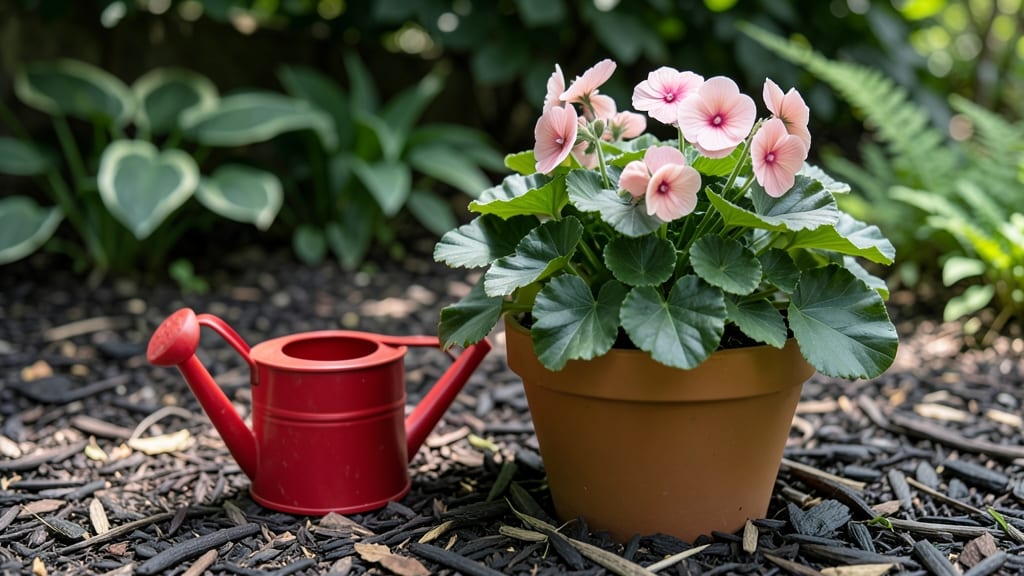
Begonias can grow in shade, thriving in indirect light or dappled sunlight, though growth may slow and foliage darken. Choose shade-tolerant varieties like Rex or Dragon Wing begonias for best results in low-light conditions.
Shade actually works in begonias' favor when you pick the right types and adjust care. 🌿 Unlike sun-loving plants, begonias adapt by producing more chlorophyll to capture limited light, which often makes their leaves darker or more vibrant.
That said, growth will be slower—expect fewer blooms and smaller leaves—but the plants stay healthier than in harsh sun. Humidity becomes even more critical in shady spots since airflow is reduced, so misting or a pebble tray helps replicate their natural tropical conditions.
For best results, aim for bright indirect light (like near an east-facing window) rather than deep shade. Varieties like Rex begonias handle low light better than wax begonias, which need more brightness to produce blooms.
I've found that grouping shade-loving begonias together creates a microclimate that boosts their resilience—just avoid letting soil stay soggy, as that's their biggest enemy in dimmer settings.
💡 In This Article
- How Shade Affects Begonia Growth and Health
- Best Begonia Varieties for Shady Gardens
How shade affects begonia growth and health
When begonias grow in shade, their leaves undergo a fascinating adaptation called chlorophyll compensation. In lower light, plants produce more chlorophyll to maximize light absorption, which often results in darker, richer foliage.
This is why Rex begonias develop their signature deep purples and velvety textures in shady spots—it's not just genetics, but a physiological response to limited sunlight. The trade-off? Slower growth, as photosynthesis rates drop by 30-50% compared to full sun conditions, leading to fewer blooms and smaller leaves.
The science gets even more interesting with leaf variegation. Begonias with striped or spotted leaves (like Angel Wing begonias) may lose some of their color contrast in deep shade because the chlorophyll-dominant areas expand to compensate.
Think of it like a plant version of a camera adjusting its aperture—what was once a delicate pattern becomes more uniform as the plant prioritizes light capture. Humidity plays a critical role too; shade reduces airflow, so begonias in these conditions need 50-70% humidity to prevent leaf edges from browning.
Growth rates tell the full story. In partial shade (3-6 hours of indirect light), begonias grow about 20-30% slower than in bright indirect light, but they remain healthy. Full shade (<3 hours of light) can reduce growth by 40-50%, often resulting in leggy stems and sparse foliage.
The key is finding that sweet spot of bright indirect light—like an east-facing window—where begonias get enough energy without overheating. This balance is why many gardeners use sheer curtains or grow lights to simulate ideal conditions.
What most people don't realize is how shade impacts begonias' natural defenses. Plants in low light produce fewer secondary metabolites (like antioxidants), which can make them slightly more susceptible to pests. However, the reduced heat stress in shade means fewer issues with sunburn or leaf scorch.
It's a trade-off: slower growth but potentially longer-lasting foliage. For example, a Dragon Wing begonia might take twice as long to reach maturity in full shade, but its leaves will stay vibrant for months longer than a sun-exposed plant.
Consider these key factors when assessing shade impact:
- Light intensity: 1,000-3,000 foot-candles (bright indirect) is ideal; below 500 foot-candles (deep shade) growth suffers
- Humidity boost: Use a pebble tray with water or a humidifier to maintain 60%+ humidity
- Soil moisture: Keep soil evenly moist but never soggy—shade reduces evaporation, increasing rot risk
- Fertilizer: Use a balanced 10-10-10 fertilizer every 4-6 weeks to compensate for slower nutrient uptake
In my own experiments, I've noticed that begonias in partial shade develop thicker stems—almost like they're building structural reserves for when light becomes scarce. This adaptation explains why shade-grown specimens often outlast their sun-exposed counterparts during winter.
The lesson? Shade isn't the enemy—it's about understanding how begonias recalibrate their biology to thrive in limited light. 💫