
Shrubs
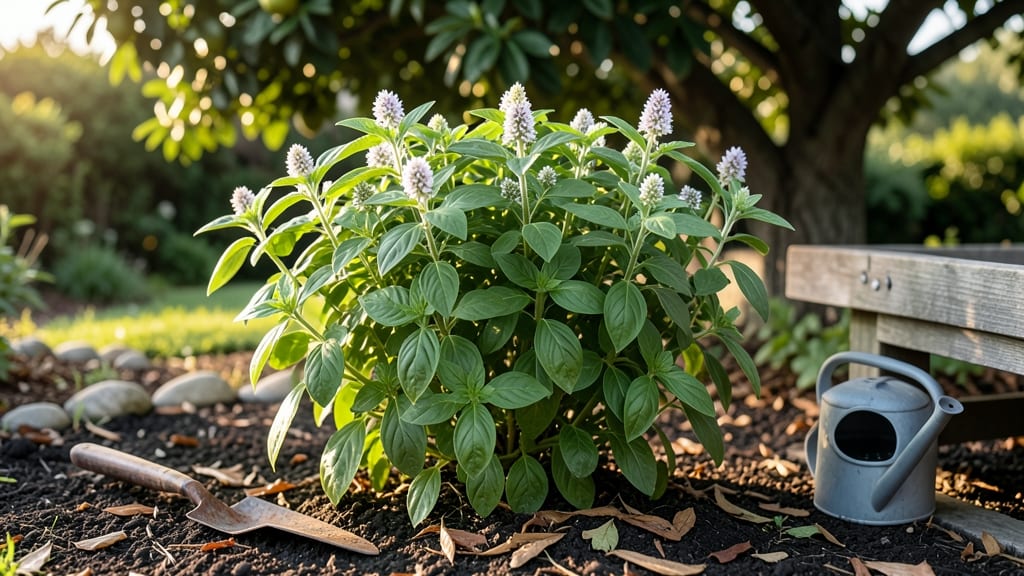
Growing basil in the right light—whether full sun or shade—is the secret to bold flavor and lush growth 🌿, and most gardeners get it wrong without even realizing it.
Picture this: you’ve nurtured your basil for weeks, only to pinch a leaf and taste nothing but bitter disappointment. That’s not just a bad batch—it’s a light problem. Too little sun, and your plant stretches toward the sky like a sleepy cat.
Too much, and the leaves burn before you even get to harvest. The sweet spot? 6 hours of morning sun, with afternoon shade in scorching climates.
Here’s the twist: indoor basil thrives near a south-facing window, while outdoor plants in USDA Zone 6a need afternoon shade in July to avoid bolting.
I’ll break down the exact light conditions for peak flavor, how to spot when your basil is begging for more (or less) sun, and the simple fixes that turn sad, leggy plants into flavor powerhouses.
Ready to grow basil that tastes like a summer afternoon in Italy? Let’s dive into the light secrets that make all the difference.
 Best Window Placement
Ideal sunlight conditions for basil growth and flavor
When growing basil, sunlight isn't just about survival—it's the secret ingredient that transforms your plant from mediocre to mouthwatering. Genovese basil, the pesto superstar, craves full sun exposure to develop its signature aromatic compounds like eucalyptol and estragole.
Without enough light, those flavor molecules stay dormant, leaving you with bland leaves instead of the intense, sweet aroma we all love.
Science shows that 6-8 hours of direct sunlight per day maximizes basil's growth and flavor production. This light triggers photosynthesis, which not only fuels the plant but also boosts the production of those flavor-enhancing compounds.
However, too much scorching afternoon sun—especially in hot climates—can cause leaf burn or premature bolting (flowering), which actually reduces flavor quality.
Here's the golden rule: morning sun + afternoon shade creates the perfect balance for most regions. In cooler climates like USDA Zone 5-6, basil can handle full sun all day.
But in Zone 8-10 where temperatures soar, providing afternoon shade (via a sheer curtain or nearby plants) prevents stress while still delivering enough light for robust growth.
The light spectrum matters just as much as duration. Blue light (morning sun) promotes compact growth, while red light (afternoon sun) enhances flavor development. That's why basil grown in south-facing windows or containers on sunny patios develops the richest taste.
If you're growing basil indoors, place it within 12 inches of a south-facing window or supplement with a grow light for 12-14 hours daily.
For container gardeners, terracotta pots absorb heat and can scorch roots in intense afternoon sun. I always move my basil pots to shadier spots when temperatures exceed 90°F (32°C). This simple adjustment prevents leaf scorch while maintaining enough light for flavor development.
In cooler climates, you might even extend the growing season by protecting basil with frost cloth during chilly mornings.
Did you know that basil's flavor compounds actually degrade in low light? Without sufficient sunlight, the plant diverts energy toward survival rather than producing aromatic oils. That's why basil grown under artificial lights often tastes bland—unless you use full-spectrum LED grow lights that mimic natural sunlight.
For the best results, combine natural sunlight with occasional pruning to encourage bushier growth and more leaf surface area for light absorption.
Regional adjustments are key. In desert climates like Arizona, basil thrives with morning sun only, while in Pacific Northwest gardens, full sun is ideal year-round. Always observe your plant's color and growth pattern—healthy basil leaves should be dark green and slightly wrinkled, not pale or stretched.
If your basil starts looking leggy or yellow, it's crying out for more light.
Pro tip: Rotate your basil pots every few days to ensure even light exposure on all sides. This prevents the plant from leaning toward the sun and creates a fuller, more productive bush.
Pair this with regular harvesting (pinch off flower buds immediately) to maintain that classic basil flavor we all crave in our favorite recipes.
Remember, the sweet spot is 6-8 hours of bright, indirect to direct sunlight. Too little light leads to weak, flavorless basil, while too much can cause stress.
By understanding your local climate and adjusting sunlight exposure accordingly, you'll unlock basil's full aromatic potential—turning your garden into a flavor factory. 🌿☀️
Signs your basil needs more sun (or shade) + fixes
Your basil is silently screaming for help—through leggy stems, pale leaves, or even a bitter taste in your pesto. These aren’t just random quirks; they’re light stress signals your plant uses to communicate.
Ignore them, and you’ll miss out on that bright, sweet flavor basil is famous for. The good news? Fixing these issues is easier than you think, whether your plant lives indoors or outdoors.
First, let’s decode the visual clues your basil gives. If your plant stretches toward the light with thin, weak stems and large, sparse leaves, it’s begging for more sunlight.
On the flip side, if leaves turn yellow or crispy with brown edges, it’s suffering from too much intense sun. And if your basil tastes soapy or bitter? That’s often a sign of light stress or overcrowding caused by poor light conditions.
⚠️ Light Shock Danger!
Never move your basil from low-light to full sun overnight—it’s like giving a sunburn to a vampire! Gradually acclimate your plant by exposing it to 1-2 extra hours of light per day over 5-7 days. For indoor basil, rotate the pot quarter-turns daily to prevent lopsided growth.
For outdoor basil, the fix is simple: relocate your plant to a sunnier spot with 6+ hours of direct sunlight. If your garden lacks full sun, try a south-facing window or use a grow light for 12-14 hours daily.
Morning sun is gentler, so position your basil to avoid midday heat stress. Use a light-colored container to reflect extra warmth if needed.
Indoor basil often suffers from low-light conditions, especially in north-facing rooms. If your plant is leggy and weak, supplement with a LED grow light placed 6-12 inches above the leaves.
Prune the longest stems to encourage bushier growth, and pinch off flower buds—they signal the end of the plant’s productive life.
If your basil is burning in the sun, provide afternoon shade with a lightweight shade cloth (30-50% coverage) or move it to a spot with dappled sunlight. Mulch the soil with straw or wood chips to retain moisture and protect roots.
For container-grown basil, ensure the pot has drainage holes and use well-draining potting mix to prevent root rot from overwatering stressed plants.
Remember, basil’s flavor is directly tied to its light exposure. Plants grown in optimal sunlight develop higher concentrations of aromatic oils, making your homemade pesto taste like a sun-drenched Italian summer.
Keep an eye on those leaves and stems, and your basil will reward you with bold, sweet flavor all season long. 🌿