
Vegetables
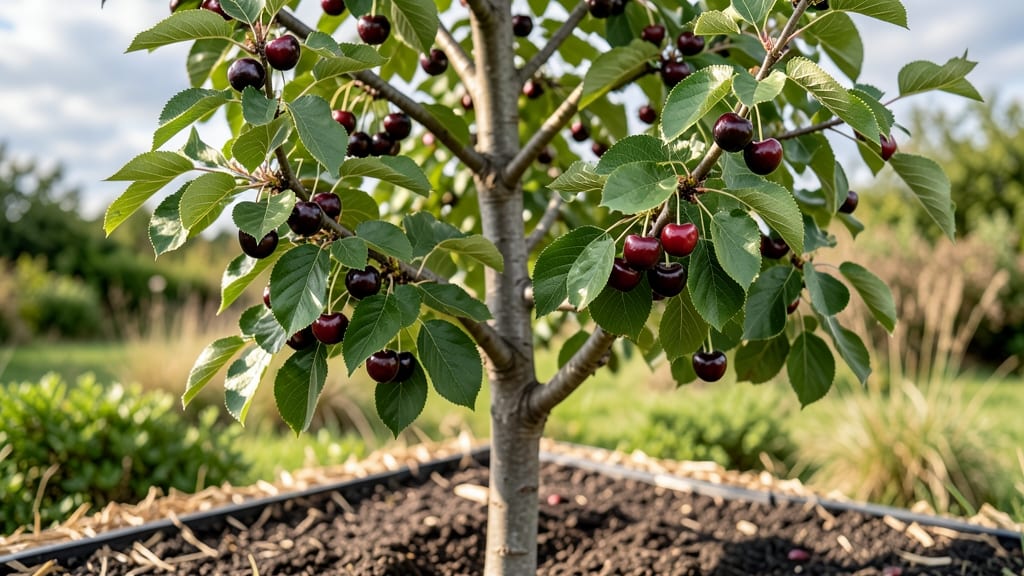
Are cherries nightshades? No—cherries belong to the Rosaceae family, alongside apples and peaches, while true nightshades (tomatoes, potatoes, eggplants) are part of the Solanaceae family. This botanical difference is important for allergy sufferers, as nightshades can cause reactions in some people.
This distinction isn't just academic—it impacts dietary choices for those avoiding nightshades due to allergies or sensitivities. 🌿 The Rosaceae family's fruits (like cherries, strawberries, and plums) share a common ancestor with roses, while nightshades contain compounds like solanine that some people react to.
If you're managing a nightshade-free diet, you can safely enjoy cherries while swapping out tomatoes or peppers for apple-based sauces or fruit salads with peaches.
Interestingly, even within the nightshade family, reactions vary—some people tolerate cooked potatoes better than raw ones, while others avoid all Solanaceae plants. Always check with a healthcare provider if you suspect food sensitivities, as individual responses can differ widely.
💡 In This Article
- Botanical Families: Cherries vs Nightshades
- Allergy and Dietary Considerations for Nightshade-Free Gardens
Botanical families: cherries vs nightshades
The key difference between cherries and nightshades lies in their botanical families: cherries belong to the Rosaceae family, while true nightshades are part of the Solanaceae family. 🌱 This distinction is rooted in their evolutionary paths—Rosaceae includes over 3,000 species like apples, peaches, and strawberries, while Solanaceae contains about 2,700 species, including tomatoes, potatoes, and peppers.
The Rosaceae family is known for its showy flowers and fleshy fruits, whereas Solanaceae often features berries or tubers with compounds like solanine that can cause reactions in sensitive individuals.
Cherries specifically belong to the Prunus genus within Rosaceae, which also includes plums, apricots, and almonds.
Their fruit develops from a single ovary with a single seed (the pit), creating that iconic heart-shaped stone. 🍒 Nightshades, however, produce fruits that develop from multiple ovaries (like tomatoes) or underground tubers (like potatoes), which explains their different growth patterns.
For example, a cherry tree's blossoms appear in spring, while nightshade plants often produce flowers that develop into fruits directly from the stem.
What most people don't realize is how these families affect plant characteristics. Rosaceae fruits tend to have higher sugar content and softer textures (think cherry flesh), while Solanaceae fruits often contain more water and specific alkaloids. 🌿 For instance, a ripe cherry contains about 12% sugar by weight, whereas a tomato has only 4-5% sugar but contains solanine in its leaves and green parts.
This chemical difference is why some individuals react to nightshades but can safely enjoy cherries.
Visually, you can spot the difference in their leaves: cherry leaves are compound with serrated edges, while nightshade leaves are typically simple with smooth edges. The flowers also differ—cherry blossoms are white or pink with five petals, while nightshade flowers often have star-shaped corollas.
These botanical markers help gardeners and chefs quickly identify which plants belong to which family, especially when planning meals or managing allergies.
One common misconception is that all red fruits are nightshades.
While many nightshades produce red fruits (like tomatoes), cherries achieve their vibrant color through different pigments called anthocyanins, which are also found in blueberries and raspberries. 🍓 This pigmentation is part of what makes cherries visually distinct from nightshade fruits, which often have a glossier skin due to their waxy cuticle layer.
Understanding these distinctions matters for cooking too. For example, cherry-based desserts won't trigger nightshade sensitivities, while tomato-based sauces might. The Rosaceae family's fruits also pair beautifully with other non-nightshade ingredients like apples, pears, and citrus, creating flavor combinations that avoid potential reactions entirely.