
Shrubs
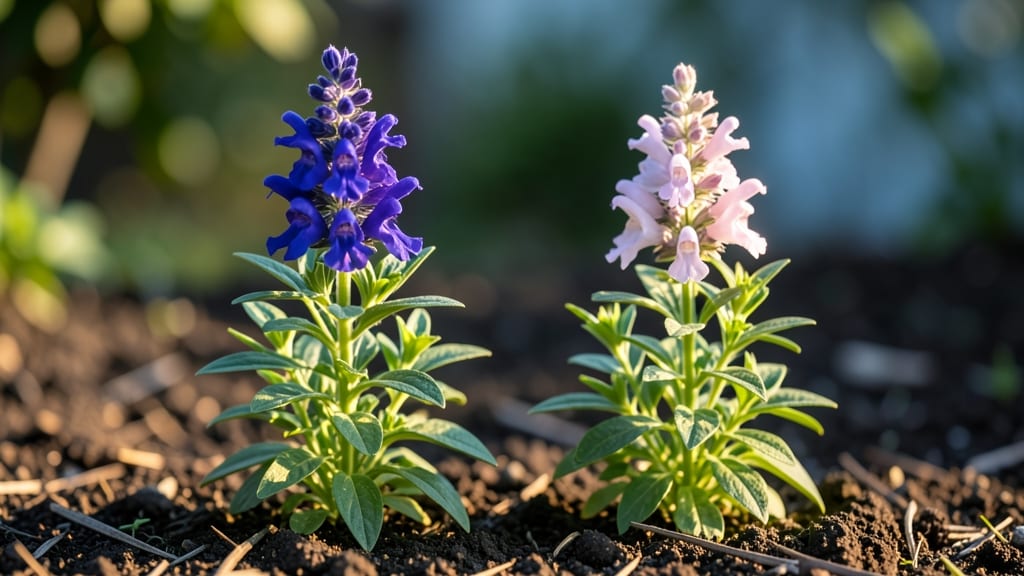
Angelonia thrives in sun or shade, but the right light conditions make all the difference for those nonstop blooms you’re after.
Struggling to keep your angelonia blooming all season? The secret lies in matching the right variety to your garden’s light conditions—whether it’s full sun or partial shade. Some types practically beg for morning rays, while others handle afternoon shade like a pro.
Too much shade and your plant stretches out, producing fewer flowers. Too much sun, and those delicate blooms can scorch. The key is knowing which angelonia varieties suit your space and how to adjust care for peak performance.
In this guide, I’ll break down the best sun-loving types, shade-tolerant picks, and how to transition plants between light conditions without losing those vibrant 🌸 blooms.
 Best Window Placement
Best angelonia varieties for full sun gardens
If you love vibrant blooms that thrive under the blazing sun, angelonia is your perfect full-sun flower. These varieties not only tolerate but thrive in intense sunlight, producing nonstop blooms from summer to fall.
The key is selecting heat-tolerant varieties that won’t wilt or fade in high temperatures. Let’s explore the top sun-loving angelonia types that will transform your garden into a floral paradise.
Full sun angelonia varieties are bred to handle 6+ hours of direct sunlight daily, often withstanding temperatures up to 90°F+. Their compact growth habit and heat-resistant foliage make them ideal for southern gardens or containers on sunny patios.
The right variety can mean the difference between few sparse blooms and a lush, colorful display that lasts all season.
Here’s a comparison of the best full-sun angelonia varieties, including their bloom intensity, heat tolerance, and ideal growing conditions for maximum performance.
| Variety | Bloom Color | Height (ft) | Heat Tolerance | Bloom Duration | Best For |
|---|---|---|---|---|---|
| Angelonia 'Angel Face' | White | 1.5-2 ft | Excellent (90°F+) | Summer-Fall | Containers, borders |
| Angelonia 'Summer Beauty Blue' | Blue-Violet | 1-1.5 ft | Very High (drought-tolerant) | June-October | Drought-prone areas |
| Angelonia 'Angel Blush' | Pink | 2-2.5 ft | Good (85°F+) | July-September | Mass plantings |
| Angelonia 'Angel Wings Purple' | Purple | 1.5-2 ft | High (humidity-resistant) | Summer-Fall | Humid climates |
| Angelonia 'Angel Perfection' | Multi-color (mix) | 1-1.5 ft | Very High (compact) | June-October | Small gardens, pots |
For maximum bloom intensity, prioritize varieties like Angelonia 'Summer Beauty Blue' or Angelonia 'Angel Perfection'—they handle intense sunlight and high temperatures without wilting. These types are perfect for southern gardens or arid climates where other flowers might struggle.
Plant them in well-draining soil with a balanced fertilizer every 4-6 weeks to encourage lush growth.
When planting, ensure your angelonia receives at least 6 hours of direct sunlight daily. Morning sun paired with afternoon shade can help prevent leaf scorch, but full-sun varieties like Angelonia 'Angel Face' can handle all-day sun if kept well-watered.
Mulch around the base to retain moisture and regulate soil temperature, especially during heatwaves.
Deadheading spent blooms is a game-changer for prolonging the flowering season. Simply pinch off faded flowers with your fingers or use clean pruning shears to encourage new buds. This simple step can extend blooms by 4-6 weeks, giving you a nonstop floral display from early summer to frost.
If you’re growing angelonia in containers, choose pots with drainage holes and use a lightweight potting mix. Containers heat up faster than garden beds, so monitor soil moisture closely during peak summer months. A self-watering pot can help maintain consistent moisture levels without overwatering.
For heat-stressed plants, provide temporary shade cloth (30-50% shade) during midday heatwaves (above 95
Shade-tolerant angelonia: can they thrive in low light?
Angelonia, often called summer snapdragon, is prized for its nonstop blooms and heat tolerance, but many gardeners assume they require full sun. The truth? Some varieties adapt beautifully to partial shade, especially in hot climates where afternoon sun can scorch delicate petals.
If your garden has filtered light under trees or a north-facing patio, you can still grow angelonia with the right approach.
Shade-tolerant angelonia varieties typically produce smaller, but longer-lasting flowers compared to their sun-loving cousins. While they may not bloom as prolifically, their compact growth habit and disease resistance make them ideal for container gardens or woodland-edge plantings.
The key is selecting the right cultivar and adjusting care routines to compensate for lower light.
⚠️ WARNING: Shade Missteps Angelonia grown in too little light often develops leggy stems and fewer buds, a condition called etiolation.
While some varieties tolerate 3-4 hours of direct sun daily, pushing them into deep shade (under 3 hours of light) will stunt growth and reduce blooms. Blue and purple varieties are slightly more shade-tolerant than white or pink types, but all benefit from bright, indirect light rather than dim corners.
Always rotate containers every few weeks to ensure even light exposure.
For partial shade success, prioritize Angelonia 'Blue Moon' or 'Angelonia 'Angel Face', both of which handle morning sun with afternoon shade better than other varieties. These types feature upright growth and dense foliage, which helps them capture scattered light more efficiently.
Pair them with reflective mulch (like white gravel) to bounce extra light onto the plant’s base.
When caring for shade-grown angelonia, water consistently—they dry out faster in low-light conditions because their leaves can’t photosynthesize as efficiently. Use a moisture meter to check soil levels; aim for 1 inch of water per week, adjusting for humidity.
Avoid overhead watering, which can promote fungal diseases in dense foliage. Instead, water at soil level in the morning to let leaves dry quickly.
To encourage blooms in shade, fertilize lightly with a low-nitrogen formula (like 5-10-10) every 6-8 weeks instead of the standard 4-6 week schedule. Over-fertilizing pushes leafy growth at the expense of flowers.
Prune spent blooms regularly to redirect energy into new flower production, and pinch back tips in early spring to maintain a compact shape.
If your angelonia starts looking weak or sparse in shade, try moving it to a sunnier spot gradually—never abruptly. Harden it off by placing it in morning sun first, then gradually increasing exposure over 7-10 days.
This prevents sunburn on leaves that have adapted to lower light. With patience, even shade-loving angelonia can reward you with months of vibrant blooms—just choose the right variety and adjust care to match its environment.