
Orchid Care
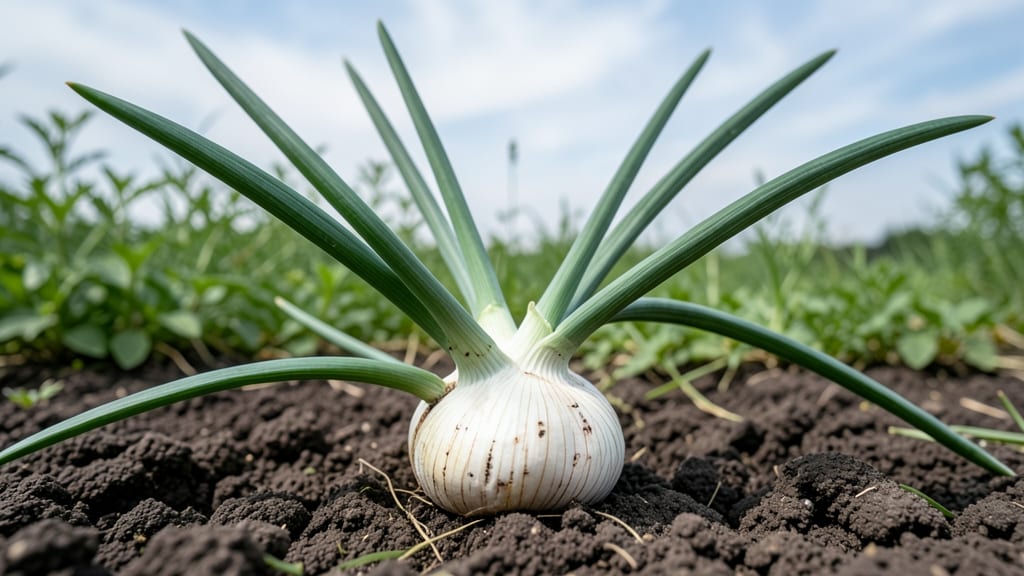
Growing alliums in sun or shade depends on the variety and your garden’s light conditions — some varieties thrive in deep shade while others need at least a few hours of sunlight to reach their full potential.
Struggling to keep your garden thriving in shady spots? Alliums might just be the perfect solution — these hardy perennials bloom beautifully even where sunlight is scarce, adding drama and texture to every corner of your yard.
Ornamental alliums like Allium giganteum or Allium schubertii can handle partial shade, while varieties like garlic and onions prefer full sun. The key is choosing the right type for your space and adjusting care to maximize blooms or harvests.
Below, I’ll break down the best allium varieties for low-light gardens, how to optimize their growth, and the common mistakes that can stunt their beauty — so you can enjoy stunning blooms no matter where you plant them.
 Best Window Placement
Best Allium varieties for shade and partial sun gardens
If your garden has shady nooks or partial sun patches, don’t despair—alliums can still shine there! These hardy perennials offer stunning blooms and low-maintenance care, making them perfect for low-light conditions.
Whether you’re dealing with deep shade under trees or filtered sunlight near a fence, the right allium variety will transform your space into a dramatic floral display.
Alliums thrive in partial shade (3-6 hours of sunlight) and even deep shade (less than 3 hours), though their bloom size and vigor may vary.
Below, I’ve curated the top allium varieties for shady gardens, including their height, bloom time, and ideal light conditions to help you make the best choices for your space.
Pro Tip: For maximum blooms in shade, pair alliums with fertilizer-rich soil and consistent moisture. Their spherical flower heads add texture and height to shady borders, containers, and woodland gardens.
| Variety | Light Needs | Height | Bloom Time | Best For |
|---|---|---|---|---|
| Allium schubertii | Partial shade (3-6 hrs) | 12-18 inches | Late spring | Woodland gardens, borders |
| Allium neapolitanum | Deep shade (under 3 hrs) | 8-12 inches | Early spring | Containers, rock gardens |
| Allium roseum | Partial shade (3-6 hrs) | 18-24 inches | Mid-spring | Cut flowers, cottage gardens |
| Allium carinatum | Partial shade (3-6 hrs) | 12-18 inches | Late spring | Pollinator gardens |
| Allium sphaerocephalon | Deep shade (under 3 hrs) | 12-18 inches | Summer | Dry shade, Mediterranean-style gardens |
For partial shade gardens, Allium schubertii and Allium roseum are my top picks—they produce showy purple blooms that stand out against hostas or ferns. Their medium height makes them ideal for mid-border planting where they can catch dappled sunlight while still thriving.
Allium neapolitum is a shade specialist, perfect for deep shade areas like under evergreen trees or near north-facing walls. Its early spring blooms provide color before other perennials wake up, making it a garden hero in low-light spots.
If you’re growing alliums in containers, opt for Allium carinatum or Allium sphaerocephalon. Both varieties handle limited root space well and add vertical interest to patio planters. Just ensure your containers have drainage holes to prevent root rot in shady conditions.
To maximize blooms, I recommend amending soil with compost before planting. Alliums prefer well-draining, slightly alkaline soil (pH 6.0-7.5). If your shady soil is compacted, mix in sand or perlite to improve airflow and drainage.
For longer-lasting blooms, deadhead spent flowers after they fade. This encourages more energy to go toward next year’s blooms rather than seed production. Plus, it keeps your shady garden looking neat and tidy all season.
🌷
How to maximize Allium growth in low-light conditions
Alliums are one of the most adaptable plants for shady gardens, but maximizing their growth in low-light conditions requires a few strategic tweaks. Unlike sun-loving varieties, shade-tolerant alliums like Allium 'Purple Sensation' or Allium 'Globemaster' thrive with just 3-4 hours of indirect light daily.
The key lies in optimizing soil health, watering routines, and companion plantings to compensate for limited sunlight.
Start by amending your soil with organic compost or well-rotted manure to improve nutrient density. Alliums in shade need extra nutrients to support their striking blooms, so aim for a balanced 5-10-10 fertilizer applied in early spring.
Mulching with straw or leaf mold helps retain moisture while keeping roots cool—a critical factor in low-light environments.
- 1. Soil Prep: Mix in 2-3 inches of compost before planting to boost fertility and drainage.
- 2. Watering: Water deeply 2-3 times per week at soil level to encourage deep root growth.
- 3. Mulch Layer: Apply 3-inch mulch layer of straw or shredded bark to retain moisture and regulate temperature.
- 4. Companion Plants: Pair with hostas or ferns to create a microclimate with slightly higher humidity.
- 5. Light Boost: Place reflective surfaces (like light-colored stones) near plants to bounce indirect light onto foliage.
- 6. Pruning: Remove yellowed leaves in late summer to redirect energy to bulb storage.
Watering schedules are crucial in shade—alliums in low light are prone to root rot if overwatered. Stick to a consistent moisture schedule by checking soil 2 inches deep; water only when it feels dry.
Morning watering is ideal to prevent fungal issues, and drip irrigation systems work best to deliver water directly to roots without wetting foliage.
Strategic companion planting can also mimic sunlight exposure by creating a supportive ecosystem. Tall plants like delphiniums or foxgloves can cast dappled shade while protecting alliums from harsh afternoon light.
Meanwhile, ground covers such as ajuga or creeping thyme help suppress weeds and retain soil moisture, reducing the need for frequent watering.
For container-grown alliums in shade, choose larger pots (12+ inches wide) to accommodate root growth and ensure proper drainage. Elevate containers slightly to prevent waterlogging, and use a lightweight potting mix with perlite or vermiculite. Place containers near east-facing windows or under sheltered porches to maximize indirect light exposure.
Finally, avoid the temptation to over-fertilize—shade-grown alliums are sensitive to excess nitrogen, which can lead to leafy growth at the expense of blooms. A single spring feeding with compost tea or a slow-release bulb fertilizer is usually sufficient.
With these adjustments, your shade-loving alliums will reward you with bold, healthy blooms even in the darkest corners of your garden. 🌷