
Companion Plants
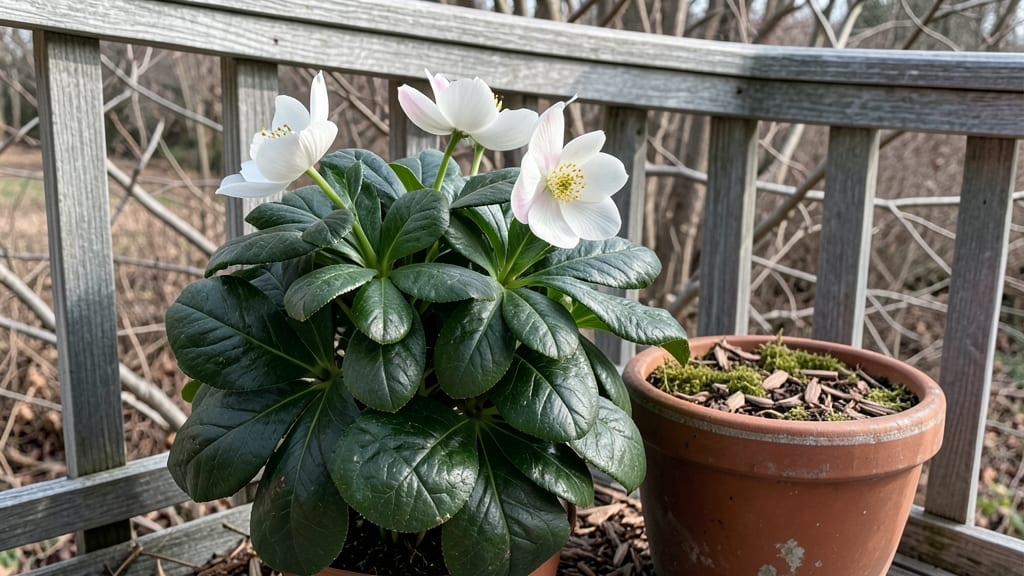
Turn your porch into a thriving year-round oasis with shade plants that stay lush and green—even in dim light. 🌿 I’ve transformed my dimly lit porch into a vibrant retreat by choosing shade-loving plants that thrive without direct sunlight, and the secret lies in the right mix of textures, colors, and care routines that keep them happy through every season.
The best part? You don’t need fancy setups—just a few low-maintenance plants like ferns, heucheras, or impatiens that handle humidity and partial shade like pros. Layering different heights (tall ferns in back, trailing pothos in front) adds depth, while seasonal bloomers like hellebores keep things interesting when other plants rest.
Even in winter, these plants stay shockingly vibrant, proving shade doesn’t mean boring. By the end, your porch will feel like a year-round sanctuary—soft foliage to touch, fragrant blooms to enjoy, and a space that never feels forgotten.
The key is matching plants to your light conditions and giving them the right care, whether that’s consistent moisture or winter protection. Works for any porch size, from cozy balconies to sprawling patios. Let’s get your shade garden thriving!
📚 In This Guide
- What you need
- Instructions
- Tips and common mistakes
- Wrapping up and next steps
What you need
- ● Shade-tolerant plants: 3–5 varieties (e.g., Heuchera, Ferns, Hostas, Caladiums, or Impatiens). Choose 1–2 evergreens for year-round color.
- ● Containers: 2–4 pots (12–18 inches in diameter) with drainage holes. Opt for terracotta, ceramic, or fiberglass for durability.
- ● Potting mix: 1–2 bags (1–2 cubic feet) of well-draining, peat-based mix (e.g., Miracle-Gro Moisture Control or Black Gold Natural & Organic).
- ● Mulch: 1 bag of organic mulch (e.g., pine bark fines or cocoa hulls) to retain moisture and regulate soil temp.
- ● Gloves & trowel: 1 pair of gardening gloves and a 5-inch stainless steel trowel for planting.
- ● Watering can or hose: With a gentle spray nozzle to avoid disturbing soil.
- ● Fertilizer: Slow-release granular fertilizer (e.g., Osmocote Smart-Release Plant Food) or liquid seaweed extract for shade plants.
- ○ Optional: Decorative stones or pebbles for aesthetics.
- ● Self-watering planters if you travel often.
- ● Shade cloth (30–50% coverage) for extra protection on sunny days.
- ● Access to partial or full shade (dappled sunlight or <6 hours of direct sun/day).
- ● A porch or balcony with stable temperature control (avoid freezing zones unless using cold-hardy plants).
- ● Time for weekly watering (shade plants need consistent moisture!).
Step-by-step guide to selecting and caring for year-round shade-loving porch plants
Here's how to pick and nurture plants that stay vibrant all year in your shaded porch space.
🌿 Step 1: Choose the Right Plants for Year-Round Shade
Start with plants that naturally thrive in low to moderate light—think hostas, ferns, impatiens, and calatheas. I like to mix evergreens like ivy or sweet potato vine for structure with seasonal bloomers like begonias or fuchsias for color. Hostas, for example, stay lush in shade but need well-draining soil to prevent root rot.
Check plant tags for light requirements—some labeled "partial shade" tolerate morning sun but need afternoon shade. If your porch gets dappled sunlight, you can stretch into plants like coleus or heuchera, which handle bright indirect light. Avoid sun-lovers like succulents or lavender—they’ll yellow and wilt.
🪴 Step 2: Set Up Containers for Optimal Drainage and Airflow
Use containers with drainage holes—shade plants still need to dry out between waterings. I prefer terracotta pots because they breathe and prevent soggy roots, but plastic works too if you add a layer of gravel or pebbles at the bottom. Fill pots with lightweight potting mix (not garden soil) to keep roots aerated.
Group containers close together to create a microclimate—this helps retain moisture and keeps temperatures stable. Place taller plants toward the back and trailing varieties like string of pearls or pothos in front. Avoid overcrowding; roots need room to breathe, and too many plants in one pot compete for nutrients.
☀️ Step 3: Position Plants Based on Light Patterns
Observe your porch’s light patterns for at least a week—note where shadows fall at different times of day. Most shade plants need bright indirect light (like near a north-facing window) but can handle 2-3 hours of morning sun. If your space gets no direct light, opt for deep green foliage plants like snake plants or ZZ plants, which thrive in near-darkness.
Rotate containers every 2-3 weeks so plants grow evenly. You’ll see leggy stems or uneven growth if one side leans toward the light. For extra shade on hot days, drape a lightweight sheer curtain over the porch—it diffuses harsh light without blocking airflow.
💧 Step 4: Water and Fertilize for Consistent Moisture
Shade plants typically need watering every 5-7 days, but check soil moisture first—stick your finger 1 inch deep. If it feels dry, water until it drains from the bottom. Overwatering is the biggest mistake; shade plants are prone to root rot in soggy soil. I use a watering can with a narrow spout to target roots without wetting leaves.
Feed plants every 4-6 weeks with a balanced liquid fertilizer (like 10-10-10) diluted to half strength. In winter, cut back to once every 8-10 weeks—growth slows, and plants need less. Yellow leaves often signal over-fertilizing, while brown edges mean underwatering or low humidity.
✂️ Step 5: Prune and Refresh for Seasonal Changes
Trim back dead or yellowing leaves in early spring to encourage new growth. For flowering plants like impatiens or fuchsias, pinch back leggy stems to promote bushiness. I also replace worn-out pots every 2-3 years—old containers crack and hold less soil, making watering inefficient.
In fall, move tender plants like begonias or calatheas indoors if temperatures dip below 50°F. Hardy evergreens like ivy or heuchera stay outside year-round but may need a light mulch in winter to protect roots. Wipe leaves occasionally with a damp cloth to remove dust—this helps them absorb light better.
Tips & tricks for thriving year-round porch plants in shade
Here’s what I’ve learned after years of keeping my shaded porch vibrant—these tricks make all the difference when light is limited.
Selection Tip: Look for plants labeled "partial shade" or "low light" on tags, but don’t stop there—check the fine print! Some "shade-tolerant" plants actually need some light to thrive. For example, coleus and heuchera handle bright indirect light beautifully, while ZZ plants and snake plants can survive in near-darkness. I always start with a mix of both types to ensure year-round color.
Container Strategy: Terracotta pots are my go-to because they wick away excess moisture, but if you use plastic, add a 1-inch layer of gravel or pebbles at the bottom to prevent soggy roots. Pro tip: Group containers close together—they create a microclimate that retains humidity, which is crucial for shade plants. Just avoid overcrowding, or you’ll end up with competition for nutrients and stunted growth.
Light Pattern Hack: Before positioning your plants, observe your porch for at least a week. Note where shadows fall at different times of day—most shade plants need bright indirect light, but even they can handle 2-3 hours of morning sun. If your space gets no direct light, opt for deep green foliage plants like snake plants or pothos, which are nearly indestructible. And don’t forget to rotate your containers every 2-3 weeks—this prevents leggy stems by ensuring even light exposure.
Seasonal Transition: When temperatures dip below 50°F in fall, move tender plants like begonias or calatheas indoors. For hardy evergreens like ivy or heuchera, add a light mulch around the base of the pot to insulate roots. In winter, reduce watering to every 10-14 days—growth slows, and overwatering is the quickest way to kill shade plants.
Pro Tips for Year Round Porch Plants Shade
- Here’s what I’ve learned after years of keeping my shaded porch vibrant—these tricks make all the difference when lig...
- Selection Tip: Look for plants labeled "partial shade" or "low light" on tags, but don’t stop there—check the fine pr...
- Container Strategy: Terracotta pots are my go-to because they wick away excess moisture, but if you use plastic, add ...
Frequently asked questions
Got questions about keeping your porch lush and green year-round in shady spots?
Here are some of the most common concerns—and their solutions—to help you create the perfect low-light oasis.
What are the best shade-tolerant plants for a porch that stays green in winter?
Opt for evergreens like heuchera (coral bells), hostas, fatsia, or ivy. These thrive in low light and retain color even in cooler months. For texture, add ferns or calatheas, which also handle indoor-like conditions well. Just ensure they’re in containers with good drainage!
Do I need to adjust care for shade plants in winter?
Yes! Reduce watering as growth slows—overwatering can harm roots in cold soil. Move tender plants (like calatheas) indoors if temps drop below 20°F (-7°C). For hardy evergreens, mulch around the base to protect roots. A light layer of burlap can shield delicate foliage from windburn.
Can I mix shade plants with some sun-loving varieties on my porch?
but strategize! Place sun-lovers (like succulents or coleus) in pots near the porch’s edges or on raised surfaces where they get indirect light. Keep shade plants (e.g., begonias, philodendrons) in deeper shadows. Grouping by light needs prevents competition and keeps everyone happy.
How do I prevent mold or pests on my porch plants in humid/shady conditions?
Improve airflow by spacing plants 6–12 inches apart and trimming crowded foliage. Use fungicide soap (like neem oil) if you spot powdery mildew. For pests like spider mites, spray plants with water daily or introduce ladybugs. Elevate pots slightly to reduce soil moisture retention.
What’s the easiest way to refresh my porch plants if they look leggy or sparse?
Prune back overgrown stems by 1/3 in early spring to encourage bushier growth. For root-bound plants, repot into slightly larger containers with fresh, well-draining soil. Add a slow-release fertilizer to boost vitality. Heuchera and hostas often perk up with this simple reset!
Wrapping up and next steps
Transforming your shaded porch into a vibrant oasis is easier than you think! With the right year-round porch plants for shade, you can enjoy lush greenery and even blooms without direct sunlight.
Whether you’re drawn to hardy ferns, fragrant herbs, or trailing vines, these low-light lovers will keep your space thriving—rain or shine.
Ready to get started? Pick one plant from this list and plant it this weekend! 🌿✨ Your porch (and future guests) will thank you.