
Featured
Shady windowsills don’t have to mean dull window boxes. These 10 lush layering ideas transform dark corners into vibrant vertical gardens, using shade-tolerant plants to create depth and texture—perfect for urban balconies or cozy patios.
Tiered Ferns and Heuchera Combination

Turn your darkest windowsills into a lush, layered masterpiece with this deep-shade powerhouse combo. The secret lies in pairing tiered ferns (like Matteuccia struthiopteris or Dryopteris) with heuchera—their vibrant foliage colors pop even in low light, creating a cascading effect that feels alive year-round.
Plant heuchera at the base for bold, colorful leaves (try 'Palace Purple' or 'Lime Rickey'), then layer fern fronds in cascading tiers above. Both thrive in 4+ hours of dappled shade and prefer well-draining soil—mix in compost to keep roots happy. The ferns add delicate texture while heuchera provides year-round color, even when other plants fade. Water when the top inch of soil feels dry, and you’ll have a self-sustaining display that needs little more than occasional pruning.
This combo is perfect for urban gardeners with limited sunlight or anyone craving a low-maintenance, high-impact window box. The contrast of soft fern fronds against heuchera’s bold hues creates a woodland-inspired look that’s both sophisticated and effortless. 🌿
Trailing Pothos with Air Plants

Turn your dim apartment windowsill into a modern jungle without needing sunlight. The trailing pothos and air plants combo thrives in indirect light, making it perfect for north-facing windows or offices with fluorescent lighting.
Start with a sleek, shallow planter (black or terracotta works best) filled with well-draining soil. Let the pothos vine cascade over the edges while tucking air plants into moss or small crevices—they’ll cling naturally. Mist the air plants weekly and water the pothos only when the top inch of soil feels dry. This duo requires almost no pruning and grows year-round.
City dwellers and plant parents with busy schedules will love this zero-fuss design. It’s the ultimate "set it and forget it" window box that still looks intentional. ✨
Shade-Loving Succulents and Moss

Who says succulents need full sun? This unexpected combo of shade-loving succulents and moss creates a striking, water-wise window box that thrives in low-light conditions—ideal for north-facing windows or covered patios.
Start with drought-resistant varieties like Sedum morganianum (also called "burro's tail") for trailing texture, then tuck sheet moss between plants to retain moisture and add lush contrast. Use a well-draining mix of potting soil and perlite to prevent rot, and water only when the top inch feels dry. The moss will soften the succulents' sharp edges while keeping them hydrated.
This design is perfect for gardeners who love the look of succulents but struggle with their sun requirements—it’s a low-maintenance way to add architectural interest without the fuss. Plus, the moss will naturally deter weeds! 💚
Hostas and Astilbes for Bold Foliage

Turn your darkest window box into a dramatic foliage statement with hostas and astilbes, two shade-loving powerhouses that thrive where others fade. Their contrasting textures—hostas' broad, velvety leaves and astilbes' airy plumes—create instant vertical interest even in the gloomiest corners.
Plant hostas at the back for their sturdy, heart-shaped leaves (choose varieties like 'Blue Angel' or 'Halcyon' for extra color), then tuck astilbes in front to spill over the edges with their feathery blooms in pink, white, or lavender. Both love moist, well-draining soil and prefer dappled shade to full shade, making them ideal for north-facing windows. Mulch with shredded bark to keep roots cool and retain moisture.
This combo is especially rewarding for gardeners with limited sunlight who still crave lush, high-impact displays. The hostas provide year-round structure, while astilbes offer seasonal blooms that attract pollinators—proof that shade doesn’t mean boring. 🌿
Caladiums and Impatiens for Tropical Flair

Transform your gloomiest windowsill into a tropical oasis with caladiums and impatiens, two shade-loving stars that thrive where others struggle. The heart-shaped, patterned leaves of caladiums (like 'White Queen' or 'Fancy Leaf') create bold visual drama, while delicate impatiens add cascading blooms in pink, red, or white—perfect for adding height and color to dark corners.
Plant caladiums at the back of your window box for their striking foliage, then let trailing impatiens spill over the edges. Both love humid conditions and prefer moist, well-draining soil—ideal for indoor window boxes or covered patios. Water regularly to keep the soil evenly moist, and fertilize monthly with a balanced liquid fertilizer to encourage lush growth. This combo is especially magical in morning sun or dappled shade, where the leaves glow with iridescent hues.
This tropical duo is ideal for gardeners who love drama but have limited sunlight—whether you're brightening a bathroom window or adding flair to a covered porch. The contrast of caladiums' glossy leaves with impatiens' delicate blooms creates a window box that feels like a vacation destination. 🌻
Creeping Jenny with Miniature Begonias

Brighten up your shady window box with this cheerful, low-maintenance duo—creeping jenny (Lysimachia nummularia) and miniature begonias—that brings golden cascades and pops of color to small spaces. The golden-yellow foliage of creeping jenny will spill gracefully over the edges, while begonias add vibrant blooms in shades of pink, red, or white, creating a lively contrast.
Plant creeping jenny at the edges of your window box, letting its stems trail down for a soft, flowing effect. Tuck miniature begonias (like Begonia semperflorens) in the center for compact, bushy growth and continuous blooms. Both thrive in partial to full shade, making them perfect for north-facing windows or covered patios. Water when the top inch of soil feels dry, and fertilize lightly every 4-6 weeks during the growing season to keep the begonias flowering.
This combo is ideal for small balconies, urban apartments, or cozy patios where space is limited but you still want a vibrant display. The creeping jenny’s golden hue brightens dark corners, while the begonias provide seasonal color—proof that shade doesn’t mean sacrificing beauty! 🌻
Japanese Painted Ferns with Ivy

Craft a serene woodland retreat right outside your window with Japanese painted ferns (Athyrium niponicum var. pictum) paired with English ivy (Hedera helix). This duo thrives in bright to partial shade, making it perfect for north-facing windows or covered porches where sunlight is limited.
Start by planting the ferns at the back of your window box—their silvery, lacy fronds will create a stunning backdrop. Let the ivy trail gracefully over the edges, adding movement and texture. Both plants prefer moist, well-draining soil, so mix in compost and mulch with shredded bark to retain moisture. The ferns add delicate structure, while the ivy provides a soft, trailing contrast that feels like a whisper of the forest.
This elegant pairing is ideal for gardeners who love low-maintenance yet sophisticated designs. The ferns’ silvery hues glow in shade, while the ivy’s deep green leaves create a natural, earthy palette that feels timeless. Perfect for those who want a peaceful, woodland-inspired look without the upkeep. ✨
Shade-Tolerant Geraniums and Lobelia

Skip the dull shade window box with this color-packed duo that thrives where others fade. Shade-tolerant geraniums (like 'Rozanne' or 'Johnson's Blue') deliver bold blooms in pink, purple, or blue, while trailing lobelia adds delicate cascades of white, blue, or violet—creating a cheerful display that feels like summer even in gloomy corners.
Plant geraniums at the back for their sturdy stems, then let lobelia spill over the edges. Both love morning sun to partial shade (3-6 hours of light) and prefer well-draining soil mixed with compost. Water when the top inch feels dry, and deadhead spent blooms to encourage continuous flowering. This combo is especially magical in cool-season gardens, blooming reliably from spring through fall.
Perfect for urban balconies or north-facing windows, this duo proves shade doesn't mean sacrificing color. The geraniums provide height and structure while lobelia softens the edges—ideal for gardeners who want low-maintenance beauty without the fuss. 🌟
Orchids and Fittonia for Moisture-Loving Spaces

Bring a touch of the jungle indoors with this exotic yet easy-care combo of orchids and fittonia ("nerve plants"), perfect for window boxes that receive bright, indirect light or dappled shade. Unlike most window box plants, these thrive in humid conditions, making them ideal for bathrooms, kitchens, or north-facing windows where air feels naturally moist.
Start with a shallow, well-draining planter filled with a mix of peat moss and perlite to mimic their natural epiphytic (air-rooted) habits. Place fittonia at the front for its vibrant, veined foliage (try 'Pink Polka Dot' or 'Silver Nerve'), then nestle miniature orchids like Phalaenopsis or Dendrobium behind them. Mist the plants 2-3 times weekly to maintain humidity, and water only when the top inch of soil feels dry—overwatering is their biggest enemy. The orchids will reward you with delicate blooms, while the fittonia adds year-round color that brightens even the gloomiest corners.
This duo is a game-changer for urban gardeners with limited natural light or anyone who loves tropical vibes without the high maintenance. The contrast of orchids' elegant blooms against fittonia's intricate leaf patterns creates a window box that feels like a mini rainforest. 🌿
Wintergreen and Heleborus for Year-Round Color

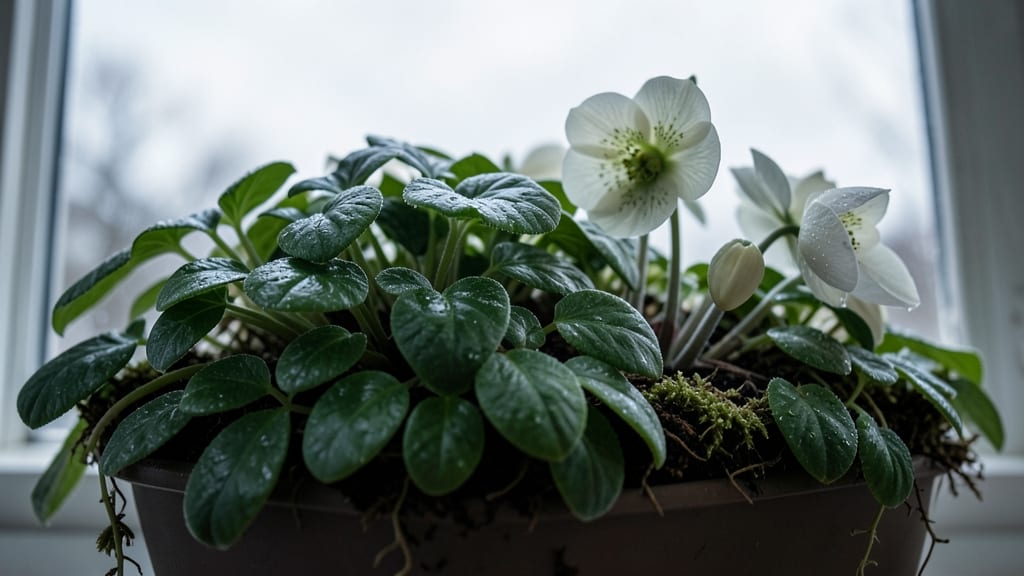
Bring winter charm to your shady window box with a year-round duo that defies seasonal limits. Wintergreen (Gaultheria procumbens) provides glossy, evergreen leaves that stay vibrant even under snow, while hellebores (Helleborus niger) deliver delicate blooms as early as late winter—long before most gardens wake up.
Plant the wintergreen at the front for its low, spreading habit, then tuck hellebore crowns slightly behind to let their nodding flowers peek through. Both thrive in partial to full shade and well-draining, acidic soil—ideal for northern exposures. Water moderately (they hate soggy roots) and mulch with pine needles to preserve moisture and acidity. This combo is especially magical in frosty climates, where it provides color when most window boxes are bare.
Perfect for gardeners in cold regions or those who want to extend their window box's growing season, this pairing proves shade doesn't mean sacrificing beauty. The contrast of wintergreen's dark leaves against hellebore's pale blooms creates a whimsical, woodland-inspired look that feels like a cozy hug for your windowsill. ⚡