
Plants
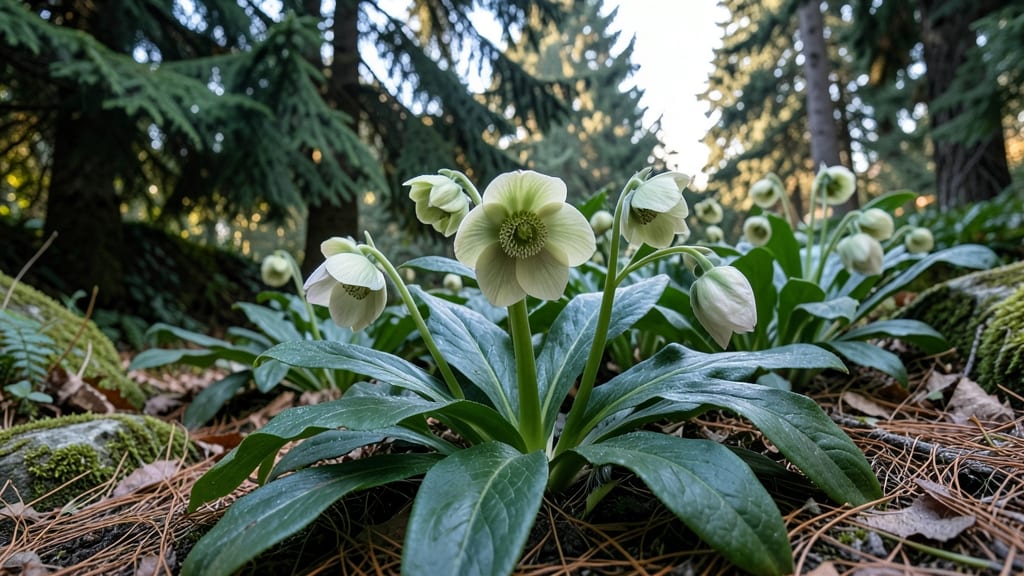
Tired of deer devouring your shady garden? These seven shade-loving, deer-resistant plants thrive with minimal sunlight while naturally deterring browsers—no fences or repellents required. Perfect for understory gardens, woodland edges, or north-facing yards.
Foxglove Digitalis Purpurea

Want to add drama to your shady garden without deer turning it into a buffet? Foxglove (Digitalis purpurea) delivers towering spikes of bell-shaped blooms in purples, whites, and pinks while its toxic foliage keeps deer browsing elsewhere.
This biennial thrives in partial to full shade and prefers moist, well-draining soil—ideal for woodland borders or cottage gardens. Plant seeds in early fall or transplant mature plants in spring, spacing them 18-24 inches apart. The 3-5 foot height creates instant vertical interest, and deadheading spent blooms encourages a second flush of flowers.
Perfect for gardeners who love old-fashioned charm and want to deter deer naturally. Just be cautious—foxglove's beauty comes with toxicity to pets and humans, so wear gloves when handling. 🌻
Hosta Plant Varieties

If you love lush foliage but struggle with deer nibbling your shade garden, hostas are your secret weapon. These versatile perennials offer 3,000+ cultivars with textures ranging from deep blue to golden chartreuse, all thriving in low-light conditions where deer usually avoid them.
Hostas grow best in partial to full shade with moist, well-draining soil—ideal for understory planting or container gardens. Their deer-resistant leaves contain mild toxins that deter browsers, while their broad foliage creates stunning contrast with ferns and astilbes. Varieties like 'Blue Angel' or 'Halcyon' add architectural interest without requiring sun.
Perfect for beginners or urban gardeners with limited space, hostas deliver year-round interest with minimal care. Just keep soil consistently moist and divide clumps every 3-4 years to maintain vigor. 🌿
Lamium Maculatum 'Bee Balm'

Looking for a pollinator magnet that thrives in shade while keeping deer at bay? Lamium maculatum 'Bee Balm' delivers with its silvery-spotted foliage and delicate pink blooms—plus, its aromatic leaves make it deer-proof without harsh chemicals.
This low-growing perennial spreads gracefully along garden edges or spills over container rims, needing only partial to full shade and well-drained soil. Plant it in spring or fall, spacing clumps 12-18 inches apart for a lush, cascading effect. Its year-round interest—foliage in winter, flowers in spring—makes it a workhorse for shade gardens.
Urban gardeners and cottage-style enthusiasts will love how it softens borders while supporting bees and butterflies. Just avoid overwatering—this plant prefers consistently moist but not soggy conditions. 🌿
Japanese Painted Fern Athyrium Niponicum

If you love the ethereal beauty of woodland gardens but struggle with deer damage, Japanese Painted Fern (Athyrium niponicum) is your secret weapon. Its delicate, lacy fronds in shades of silver, green, and burgundy create a dreamy texture that deer simply ignore—no fences or repellents needed.
This fern thrives in moist, shaded spots with well-draining soil, making it perfect for understory plantings, stream banks, or even container gardens. Its clumping habit reaches 18-24 inches tall, providing year-round interest with minimal care. Just keep the soil consistently moist (but not soggy) and mulch to retain humidity.
For gardeners who want to recreate a natural woodland feel without the upkeep, this fern is a must-have. It pairs beautifully with hostas and astilbes while adding a whimsical touch to any shady corner. 🌿
Bloodroot Sanguinaria Canadensis

If you crave ephemeral spring beauty without the deer damage, bloodroot (Sanguinaria canadensis) delivers stunning white blooms that vanish by early summer—leaving behind only lush foliage. This native woodland wildflower thrives where most plants struggle, making it a secret weapon for shaded gardens.
Plant bloodroot in partial to full shade with moist, well-draining soil, and watch its delicate white flowers appear in late winter or early spring. The plant's toxic roots naturally repel deer, while its low-growing habit (6-12 inches tall) creates a natural carpet of heart-shaped leaves. Perfect for understory plantings, it pairs beautifully with ferns and trilliums.
Ideal for woodland gardeners or those seeking low-maintenance shade plants, bloodroot requires minimal care once established. Its fleeting blooms make it a prized find for spring wildflower enthusiasts. 🌷
Dwarf Crested Iris Iris Cristata

If you love the look of irises but struggle with deer damage, Iris cristata (Dwarf Crested Iris) is your secret weapon. This native woodland beauty thrives in deep shade where most irises would struggle, and its fibrous roots make it unappealing to browsing deer.
Plant this low-growing perennial in well-draining soil with 3-6 hours of dappled shade, ideal for rock gardens, woodland edges, or under deciduous trees. Its sword-like foliage stays evergreen in mild climates, while delicate purple blooms appear in spring. The key to success? Avoid soggy soil—this iris prefers consistent moisture without waterlogging.
Perfect for gardeners who want year-round interest with minimal maintenance, this iris adds texture and color to shady spots while keeping deer at bay naturally. 🌷
Coral Bells Heuchera Sanguinea

If you love modern garden design but struggle with deer nibbling your shade plants, Coral Bells (Heuchera sanguinea) are your secret weapon. Their deep red, purple, or silver foliage isn’t just stunning—it’s naturally unappealing to deer, making them ideal for low-maintenance, high-impact shade gardens.
These perennial workhorses thrive in partial shade (2-4 hours of sun) and tolerate a wide range of soil types, including rocky or poor soil. Varieties like 'Firefly' or 'Palace Purple' offer year-round interest—their leaves hold color even in winter. For best results, plant in well-draining soil and water moderately; overwatering can cause leaf scorch.
Urban gardeners and minimalist landscapers will appreciate how Coral Bells add bold texture without overwhelming space. Pair them with ferns or hostas for a modern, layered look that deer ignore. 💚