
Shrubs
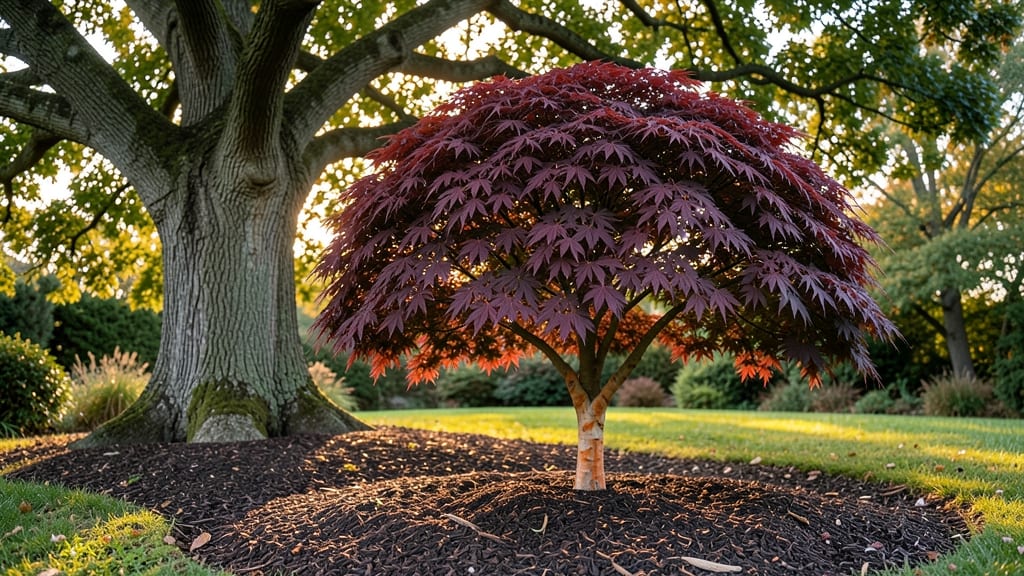
Dappled shade is the filtered sunlight that moves through tree canopies or dense foliage, casting ever-changing patches of light and shadow across the ground or plants below. This dynamic lighting creates a balanced environment that's gentler than full sun but brighter than deep shade, making it perfect for plants that need some sun exposure without harsh intensity.
This type of light occurs naturally under deciduous trees like oaks or maples, where sunlight breaks through leaves in shifting patterns throughout the day. 🌿 Unlike full shade—which blocks most light—or direct sun—which delivers unfiltered UV rays—dappled shade provides a moderated environment that many plants thrive in.
It's especially valuable for gardeners looking to create a low-maintenance, visually appealing space without sacrificing plant health.
What makes dappled shade unique is how it mimics natural forest understory conditions, where plants have adapted to thrive with intermittent light exposure. This pattern reduces stress on foliage while still allowing photosynthesis to occur efficiently.
For gardeners, understanding this light type helps select the right plants—like hostas or ferns—that flourish in these conditions without requiring full sun or deep shade.
💡 In This Article
- How Dappled Shade Differs From Full Shade and Sunlight
- Best Plants for Thriving in Dappled Shade Gardens
How dappled shade differs from full shade and sunlight
The key difference between dappled shade and full shade lies in light intensity and duration. Full shade typically receives less than 3 hours of direct sunlight daily, often with 10-20% light penetration, creating a cool, moist environment ideal for plants like ferns or bleeding hearts.
In contrast, dappled shade allows 3-6 hours of filtered sunlight, with light levels fluctuating between 30-70% intensity depending on leaf density. This variability prevents overheating while still supporting photosynthesis.
Leaf canopy density and tree species dramatically alter shade patterns.
Oak trees, with their sparse, lobed leaves, create broader light gaps, allowing more sunlight to reach the ground compared to dense maple canopies. 🌳 Maple leaves, arranged alternately along branches, cast intricate shadows that shift rapidly as wind or sunlight changes.
This dynamic creates a "moving shade" effect, where light patches can shift every 10-30 minutes during peak sunlight hours, offering plants brief bursts of energy without prolonged exposure.
For plants, this middle-ground lighting prevents the stress of full sun—such as leaf scorch or wilting—while avoiding the stagnation of deep shade.
Unlike full sun, which delivers 100% UV exposure and can raise soil temperatures to 120°F+, dappled shade keeps surfaces 10-20°F cooler while still providing enough light for vibrant growth.
This balance explains why many woodland plants, like trilliums or Solomon’s seal, thrive in dappled conditions but would struggle in either extreme.
Soil moisture retention also differs significantly. Full shade often leads to higher humidity and slower evaporation, while dappled shade maintains moderate moisture with 15-30% less water loss than full sun.
This makes dappled shade gardens more drought-tolerant than full-shade areas but still requires 1-2 inches of water weekly during dry spells to prevent stress. The shifting light patterns also reduce fungal risks by limiting prolonged dampness on foliage.
Consider the example of hostas: these popular shade plants wilt in full sun but grow leggy in deep shade. In dappled conditions, they develop compact foliage and vibrant blooms because the intermittent light triggers balanced growth hormones.
Similarly, astilbes—known for their feathery plumes—produce 30-50% more flowers in dappled shade than in full shade, where they often struggle to bloom at all.
Urban gardeners can mimic dappled shade using sheer fabric shades (30-50% blockage) or by strategically placing plants under taller specimens. For containers, rotate pots weekly to expose all sides to light, replicating nature’s shifting patterns.
This approach works especially well for herbs like chives or mint**, which tolerate partial shade but need occasional light to prevent flopping.