
Light Requirements
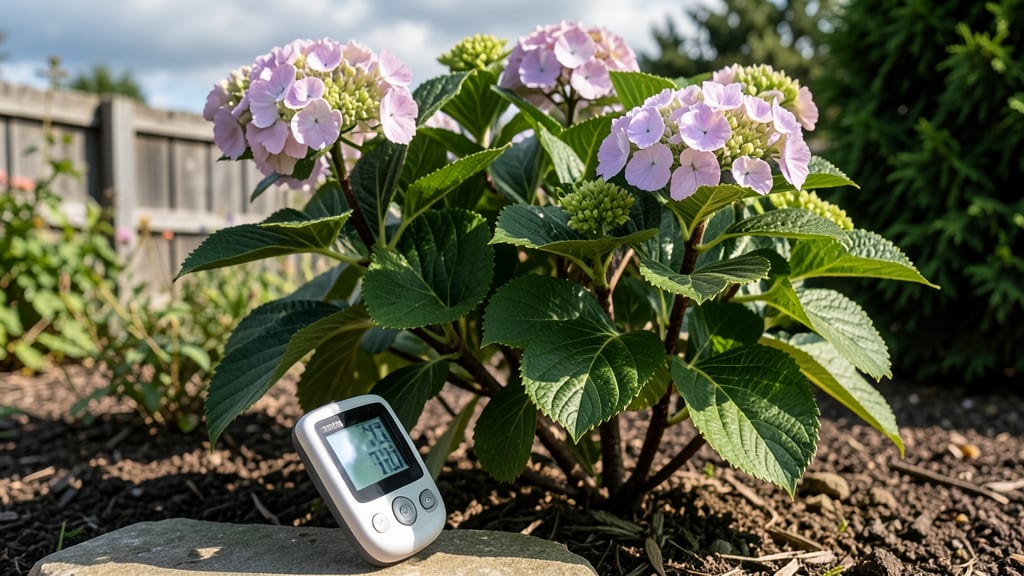
Full sun to part shade means a plant thrives in 6+ hours of direct sunlight daily, but can tolerate 3–6 hours with afternoon shade, especially in hot climates. This range balances growth needs while preventing stress from extreme heat or drought.
This lighting spectrum gives plants the flexibility they need to thrive without overheating. Morning sun provides gentle energy for photosynthesis, while afternoon shade prevents leaf burn in hot afternoons. 🌿 I’ve seen this balance work wonders with perennials like black-eyed Susans and Russian sage, which bloom beautifully without wilting.
The key is observing how your plants respond—if leaves turn yellow or crisp, they’re getting too much direct light, while pale, leggy growth signals they need more sun.
For gardeners in hot climates, this range is especially valuable because it mimics natural forest understories where plants receive dappled light. Hydrangeas and hostas are classic examples of plants that appreciate this middle ground—they produce vibrant blooms and lush foliage without the stress of full sun exposure.
The trick is positioning: place taller plants on the north side of your garden to provide natural shade for shorter varieties.
💡 In This Article
- Decoding Sunlight Requirements: Hours and Plant Responses
- Best Plants for Full Sun to Part Shade Gardens
Decoding sunlight requirements: hours and plant responses
Sunlight isn't just about duration—it's about intensity measured in lumens, which directly impacts photosynthesis. Plants in 6+ hours of full sun (like tomatoes or lavender) receive 10,000–20,000 lux of light, triggering rapid chlorophyll production and robust growth.
However, this intensity also increases transpiration (water loss), which is why these plants need deeper root systems to access moisture. 🌞 In contrast, 3–6 hours of part shade typically delivers 5,000–10,000 lux, reducing water stress while still supporting moderate growth.
The key difference lies in how plants respond to ultraviolet (UV) rays. Full sun exposes leaves to higher UV-B radiation, which can cause oxidative stress—visible as brown, crispy edges or bleached patches. Part shade filters these rays, allowing plants to focus energy on growth rather than damage repair.
For example, roses in full sun may develop leaf scorch, while the same variety in part shade produces lush, disease-resistant foliage. This is why afternoon shade (when UV is strongest) is particularly critical in hot climates.
Root development also shifts dramatically. Full-sun plants like shrubs (e.g., butterfly bush) develop root systems extending 2–3 feet deep to access water, while part-shade plants (e.g., ferns) grow shallower, more fibrous roots adapted to moisture-retentive conditions.
This explains why moving a full-sun plant to shade can cause it to wilt—its roots can't keep up with the sudden drop in water demand. The solution? Gradually acclimate plants by moving them to 50% shade for a week before full transition.
Water needs follow the same pattern. Full-sun plants require 1–2 inches of water weekly due to rapid evaporation, while part-shade varieties often thrive on ½–1 inch. Overwatering shade-loving plants in full sun leads to root rot, while underwatering sun-lovers causes wilting or leaf drop.
The balance is delicate: too much shade slows photosynthesis, while too much sun triggers stress hormones like ethylene, which accelerates aging in leaves. 🌱
Climate plays a surprising role. In Mediterranean zones, plants like olive trees handle full sun with ease, but in humid subtropical areas, the same light levels cause fungal growth due to prolonged leaf wetness.
This is why part shade (3–6 hours) becomes ideal in these regions—it reduces humidity stress while maintaining growth. For example, hydrangeas in Florida may need morning sun and afternoon shade to prevent mildew, while the same plant in California can thrive in full sun.
Even the angle of sunlight matters. Low-angle morning light (cooler and less intense) is gentler than high-angle afternoon rays. Plants like hostas (which prefer part shade) often show pale, stretched leaves when deprived of morning light, a sign of etiolation—a growth response to insufficient energy.
Conversely, succulents in full sun develop thicker cuticles to retain moisture, a trait that fails in shade. These adaptations reveal how plants "negotiate" their light environment at a cellular level.