
Orchid Care
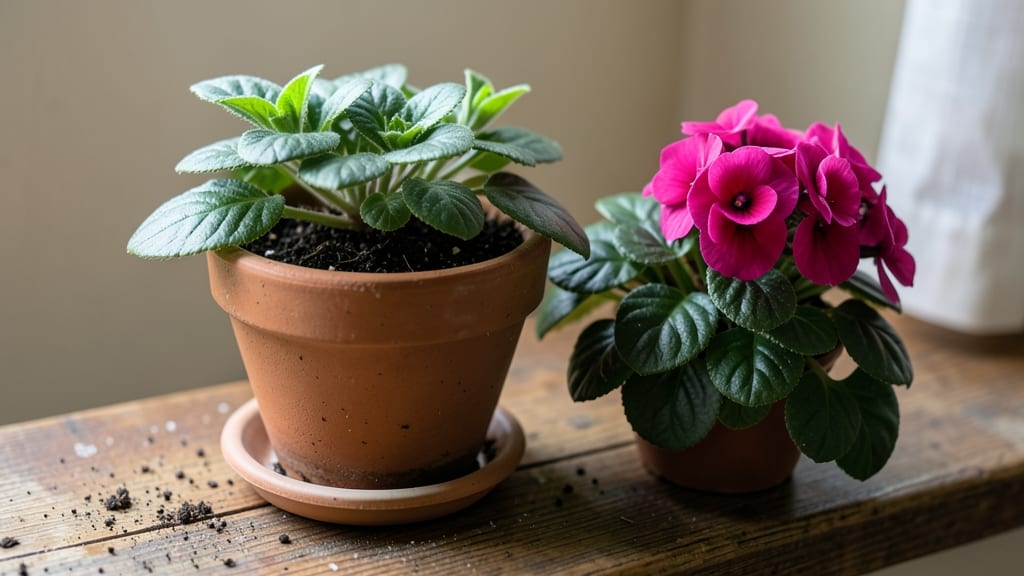
Wax begonias thrive in partial shade but can handle some sun—getting their light balance right means the difference between year-round blooms and struggling leaves.
Picture this: your wax begonia 🌸 sits in a sunlit spot, leaves crisping at the edges, while its neighbor in filtered light bursts with vibrant flowers. Too much sun or too little can both spell trouble, but the right placement keeps your plant happy for months.
Most gardeners assume wax begonias need shade, but they actually tolerate morning sun—just not the harsh afternoon rays. I’ll show you how to spot the signs of wrong light, adjust for seasonal shifts, and keep your plant blooming like a pro.
From indoor windowsills to shaded patios, you’ll learn the exact light conditions your wax begonia craves, plus how to fix common mistakes before they damage your plant.
 Best Window Placement
Wax begonia sun requirements: finding the perfect balance for blooms
Wax begonias thrive in bright, indirect light but can struggle with too much direct sun or insufficient light. The key is finding that perfect balance—enough sunlight to fuel vibrant blooms without causing leaf scorch or heat stress.
Unlike some sun-loving plants, wax begonias prefer filtered light over harsh midday rays, making them ideal for shaded garden spots or indoor windowsills.
In my experience, wax begonias perform best with 3-4 hours of morning sun followed by afternoon shade. This schedule mimics their natural habitat in tropical understories, where dappled sunlight filters through taller trees.
If you live in a high-light climate, afternoon shade becomes critical to prevent leaf burn, while cooler climates may tolerate slightly more direct sun.
Here’s how to match your wax begonia’s light needs to your specific environment:
| Light Condition | Daily Sun Exposure | Best Placement | Bloom Impact | Risk Factors |
|---|---|---|---|---|
| Bright Indirect Light | 3-4 hours morning sun | East-facing window or dappled shade | Vibrant, abundant blooms | Minimal risk; ideal for most climates |
| Partial Shade | 2-3 hours filtered light | North window or under tree canopy | Moderate blooms; lush foliage | Leggy growth if too little light |
| Full Sun (Hot Climates) | 1-2 hours max (morning only) | Afternoon shade cloth (30-50%) | Reduced blooms; stressed plant | Leaf scorch, wilting, brown edges |
| Low Light (Indoor) | Artificial grow lights (6-8 hrs) | South-facing window (if weak) | Sparse blooms; leggy stems | Weak stems, pale leaves |
For outdoor gardens, position wax begonias where they receive morning sunlight but are shielded by trees, shrubs, or structures in the afternoon. In containers, rotate pots every few days to ensure even light exposure—this prevents one-sided growth and keeps foliage balanced.
I’ve seen wax begonias in container gardens thrive on patios with afternoon shade from umbrellas or pergolas.
Seasonal adjustments are crucial. In summer months, when sunlight is most intense, move wax begonias to a spot with afternoon shade or use a light shade cloth (30-50% coverage) to diffuse harsh rays.
Conversely, during winter, supplement indoor plants with a grow light for 6-8 hours daily to maintain blooming and prevent etiolation (stretched, weak stems).
Watch for leaf color changes—dark green leaves with slight red tinges indicate ideal light, while pale yellow leaves signal too little sun, and crispy brown edges mean excessive sun exposure.
If you notice these signs, adjust placement immediately. For example, if your wax begonia develops brown patches, move it to a shadier spot within 24 hours to prevent further damage.
Pro tip: Use a light meter or observe your plant’s response to sunlight. If blooms become sparse or leaves lose their waxy sheen, it’s often a sign of light deficiency.
In my garden, I’ve found that wax begonias near east-facing windows produce the most consistent blooms year-round, thanks to gentle morning light without the intensity of afternoon sun.
For high-altitude gardens (above 5,000 feet), wax begonias may tolerate slightly more direct sun due to cooler temperatures, but always monitor for stress signs. In humid climates, ensure good air circulation to prevent fungal issues, even in shaded areas.
The goal is to mimic their natural environment—bright but indirect light—while adapting to your local climate’s quirks.
Remember, wax begonias are not drought-tolerant, so consistent moisture is just as important as light. Pair their ideal light conditions with well-draining soil and regular watering (allowing the top inch to dry between waterings), and you’ll enjoy nonstop blooms from spring through fall—and even indoors in winter.
🌸
Shade-grown wax begonias: how to thrive in low-light conditions
Wax begonias are the perfect choice for low-light spaces, but even they need the right conditions to thrive. In heavily shaded gardens or indoor settings, these plants can still produce vibrant blooms with the right care.
The key lies in balancing light exposure, humidity levels, and plant rotation to prevent leggy growth while keeping flowers abundant.
If your wax begonia is struggling in shade, it’s likely due to insufficient light or poor air circulation. These plants naturally seek bright indirect light, but too little can lead to weak stems and fewer blooms.
With the right adjustments, you can transform your shady spot into a thriving display of colorful wax begonia flowers year-round.
Place your wax begonia 2-3 feet from an east-facing window for gentle morning light. If indoors, rotate the pot quarter-turns weekly to prevent uneven growth. For extra-low light, use a grow light 12-16 inches above for 6 hours daily to mimic natural conditions.
Start by selecting the right container for your shade-grown wax begonia. A terracotta pot helps wick away excess moisture, preventing root rot in shady spots. Ensure the pot has drainage holes and use a well-draining potting mix with perlite or orchid bark to improve aeration.
This mix mimics the humid, airy conditions wax begonias love.
Humidity is critical for shade-grown begonias. If your home or garden is dry, place the pot on a pebble tray filled with water or use a humidifier nearby. Misting leaves in the morning can also help, but avoid wet foliage at night to prevent fungal issues.
Aim for 50-60% humidity—this mimics their natural tropical habitat and encourages lush foliage and abundant blooms.
To prevent leggy growth, rotate your begonia every 5-7 days so all sides receive even light exposure. If you notice stems stretching toward the light, it’s a sign they need more brightness.
Supplement with a LED grow light (10,000-12,000 lumens) for 4-6 hours daily if natural light is insufficient. This mimics filtered sunlight and keeps your plant compact and healthy.
Fertilize your shade-grown wax begonia every 4-6 weeks during the growing season (spring and fall) with a balanced 10-10-10 fertilizer. Reduce feeding in winter when growth slows. Always water before fertilizing to avoid root burn.
Prune leggy stems in early spring to encourage bushier growth and more flower production. With these adjustments, your shade-loving begonia will reward you with continuous blooms and vibrant foliage.
With patience and the right care, your wax begonia will thrive in low-light conditions, proving that even the shadiest corners of your home or garden can be bursting with color and life. Happy gardening! 🌿