
Shrubs
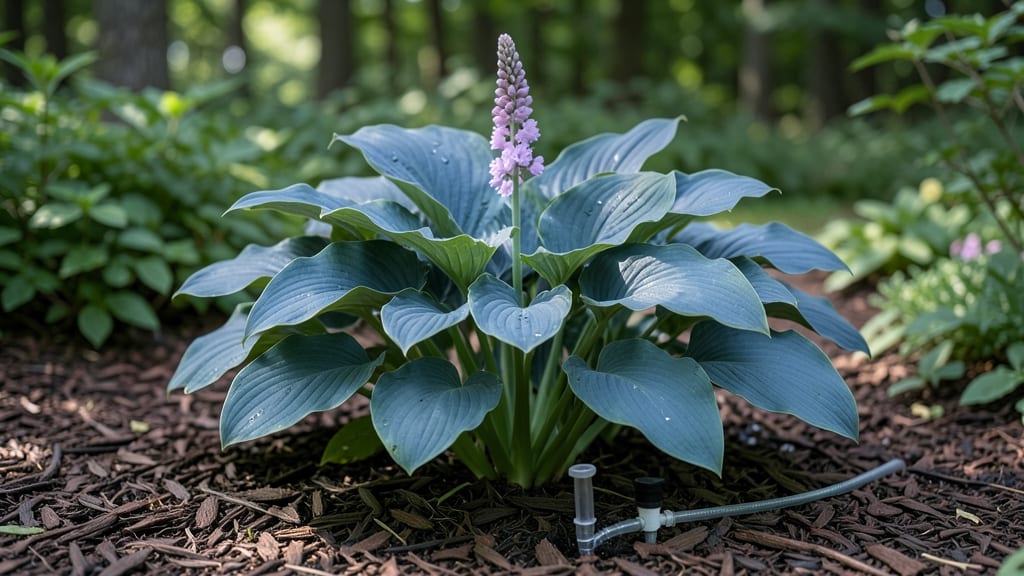
Deep shadows don’t mean dull gardens—some plants thrive where others fail. 🌿 I’ve transformed my shady backyard into a lush, year-round retreat by choosing the right shade-loving plants, and the difference is night-and-day compared to my first attempt with sun-hungry varieties that wilted within weeks.
The secret isn’t just picking any green—it’s matching plants to their exact light needs. Hostas, ferns, and astilbes handle full shade, while impatiens and begonias prefer bright, dappled light. Layering these creates depth: tall ferns in back, mid-height astilbes, and trailing ivy spilling over edges.
My 6-foot-tall rhododendron anchors the space, with its glossy leaves and spring blooms that last for weeks.
What you’ll end up with is a garden that stays vibrant even in winter. The textures—velvety hosta leaves, feathery ferns, and waxy impatiens—create visual interest year-round, and the scent of fragrant pieris in spring makes it feel alive.
No more barren corners; just lush, low-maintenance beauty that turns heads (and jealous neighbors).
Works for any shady spot—patios, north-facing yards, or even under trees. The key is starting with the right plants and arranging them to play off each other’s strengths. Let’s bring your shadowy spaces to life!
📚 In This Guide
- What you need
- Instructions
- Tips and common mistakes
- Wrapping up and next steps
What you need
- ● Shade-tolerant plants: Hostas (e.g., Hosta 'Blue Angel' or Hosta 'Francee') – 3-5 mature plants
- ● Ferns (e.g., Matteuccia struthiopteris or Dryopteris erythrosora) – 2-4 plants
- ● Hellebores (Helleborus niger or Helleborus orientalis) – 3-5 plants
- ● Astilbes (Astilbe simplex or Astilbe chinensis) – 2-3 plants
- ● Lungwort (Pulmonaria spp.) – 3-4 plants
- ● Japanese painted fern (Athyrium niponicum 'Pictum') – 2-3 plants
- ● Soil amendments: Peat moss or coconut coir (5-10 gallons) – improves drainage and moisture retention
- ● Compost (10-15 gallons) – enriches soil with nutrients
- ○ Perlite or sand (optional, 2-3 gallons) – for well-draining soil in heavy clay areas
- ● Mulch: Shredded bark or wood chips (2-3 bags, ~2 cubic feet each) – retains moisture and suppresses weeds
- ● Garden trowel or hand shovel – for planting and soil prep
- ● Pruning shears – for trimming dead foliage or shaping plants
- ● Garden gloves – to protect your hands from thorns or rough textures
- ● Watering can or hose with a gentle spray nozzle – shade plants love consistent moisture!
- ○ pH testing kit (optional) – ensures soil is slightly acidic to neutral (6.0-7.0)
- ● Slow-release fertilizer (e.g., Osmocote or Espoma) – 1-2 bags for seasonal feeding
- ● Prerequisites: A shaded area receiving <4 hours of direct sunlight daily
- ● Well-draining soil (amend if compacted or clay-heavy)
- ● Patience! Shade plants grow slower but reward you with the best shade beauty.
- ● 🌡️ Test your soil: Shade plants often thrive in cooler, moister conditions—amend soil if it’s too sandy or alkaline.
- ● ✨ Layer your plants: Combine tall ferns with low-growing hellebores for a dynamic, textured look.
- ● 💧 Water wisely: Keep soil consistently moist but avoid waterlogging—shade plants hate soggy roots!
How to select and plant the best shade plants for year-round greenery
Here's how I pick and plant shade-loving plants that stay lush without a single ray of direct sun.
🌿 Step 1: Choose Plants That Excel in Deep Shadows
Focus on hostas, ferns, astilbes, and impatiens—these thrive in less than 3 hours of sunlight daily. I always check the plant tag for "part shade" or "full shade" labels before buying. Hostas, for example, come in varieties that handle everything from dappled light to complete darkness, so I opt for the 'Blue Angel' or 'Francee' types for deeper shadows.
Look for plants with large leaves—they naturally capture more scattered light. Avoid anything with tiny foliage or bright flowers, as those usually need more sun. If your space gets no direct light at all, prioritize caladiums, maidenhair ferns, and Japanese painted ferns—they're the most forgiving.
🪴 Step 2: Prepare the Soil for Moisture-Loving Roots
Shade plants hate dry soil, so I amend the planting area with 2-3 inches of organic compost before adding plants. Mix in a handful of perlite or coarse sand to improve drainage—even shade plants can rot if water pools around their roots. For containers, I use a premium potting mix blended with 20% peat moss to retain moisture without compacting.
Test the soil's moisture level by squeezing a handful—it should hold together but not feel soggy. If your soil drains too quickly (like sandy loam), add a thin layer of mulch after planting to slow evaporation. I use shredded bark because it breaks down slowly and keeps roots consistently damp.
☀️ Step 3: Plant in the Right Spot Based on Light Levels
Group plants by their light tolerance—hostas and ferns go in the deepest shadows, while astilbes and impatiens can handle slightly brighter spots. I mark the shadiest corners of my yard with small stakes to visualize where each plant will go. If your space has moving shadows (like under trees), place plants with medium shade tolerance (like heucheras or lamium) in those areas.
Dig holes twice as wide as the root ball but only as deep—planting too deep suffocates roots. Gently loosen the roots if they're circling in the pot, then backfill with soil and water deeply to settle everything. Avoid compacting the soil around the base, or you'll restrict oxygen flow to the roots.
💧 Step 4: Water Deeply and Mulch to Retain Moisture
Shade plants need consistent moisture, so I water them 2-3 times per week until the soil feels damp 2 inches down. Use a soaker hose or watering can with a rose attachment to avoid disturbing the soil surface. If leaves start to curl or yellow, it's usually a sign of underwatering—adjust your schedule until the soil stays evenly moist.
Apply a 2-3 inch layer of mulch right after watering to lock in moisture. I use pine straw or shredded leaves because they break down slowly and keep weeds at bay. Replenish mulch every 6-8 weeks—it decomposes faster in shade where sunlight doesn’t dry it out.
✂️ Step 5: Prune and Fertilize for Long-Term Health
Cut back dead or yellowing leaves in early spring to encourage new growth. I also trim overgrown foliage in late summer to maintain shape and prevent disease. For hostas and ferns, I remove any brown fronds as they appear—this keeps the plant looking tidy and directs energy to healthy growth.
Feed shade plants once in early spring with a balanced, slow-release fertilizer (like 10-10-10). Over-fertilizing can burn roots, so I half the recommended dose and water thoroughly afterward. If your plants look pale or leggy, they might need a light application of iron supplement—shade can sometimes cause chlorosis.
Tips & tricks for perfect shade plant selection and care
Here’s what I’ve learned after years of trial and error with shade gardens—these tricks make all the difference for lush, thriving plants.
Light Level Intelligence: The 3-hour rule is your starting point, but don’t stop there. Observe your space at different times of day—morning sun might reach areas that stay dark by afternoon. I’ve found that heucheras (like ‘Palace Purple’) handle this shifting light better than most, making them my go-to for tricky spots. For truly dark corners, Japanese painted ferns are the most resilient—once established, they’ll stay vibrant even without direct light.
Soil Prep Pro Tip: When amending with 2-3 inches of organic compost, I always mix in a 1-inch layer of worm castings too—it adds beneficial microbes that help roots absorb moisture more efficiently. For containers, I blend the premium potting mix with 20% coconut coir instead of peat moss (it’s more sustainable and holds moisture just as well). The key is keeping that soil damp but never soggy—shade plants can’t handle waterlogged roots.
Planting Depth Matters: That “twice as wide” hole is crucial, but depth is often overlooked. I use a spade to mark the original soil level on the root ball before planting—this helps me avoid burying the crown too deeply, which can cause rot. For hostas and ferns, I even go so far as to create a slight mound of soil around the base to encourage outward root growth. This simple trick has kept my shade plants healthier for years.
Watering Wisdom: The 2-3 times per week schedule works best when you check soil moisture at the same time each week. I test by pushing a finger 2 inches deep—if it feels dry, it’s time to water. For containers, I’ve started using self-watering planters with shade plants, which eliminates the guesswork entirely. The secret is consistency: shade plants can’t handle drying out, but they also can’t tolerate sitting in water.
Pro Tips for The Best Shade
- Here’s what I’ve learned after years of trial and error with shade gardens—these tricks make all the difference for lush, thriving plants.
- Light Level Intelligence: The 3-hour rule is your starting point, but don’t stop there.
- Soil Prep Pro Tip: When amending with 2-3 inches of organic compost, I always mix in a 1-inch layer of worm castings too—it adds beneficial microbes that help roots absorb moisture more efficiently.
Frequently asked questions
Got questions about finding the perfect shade plant for your darkest corners? You’re not alone!
Here are answers to the most common queries about selecting, caring for, and maximizing the beauty of the best shade plants—so you can enjoy lush greenery year-round without the sun.
What are the easiest shade plants for beginners?
Start with hostas, ferns, or astilbes—they’re forgiving, low-maintenance, and thrive in low light. Hosta varieties like ‘Blue Angel’ or ‘Halcyon’ are especially resilient, while Japanese painted ferns add delicate texture with minimal fuss. For bold color, heucheras (like ‘Palace Purple’) are drought-tolerant once established.
How long does it take for shade plants to fill out?
Most shade plants take 1–3 years to reach their full potential, depending on the species. Slow growers like hostas may take 3+ years, while faster options such as caladiums or impatiens can fill gaps in a single season. Patience pays off—consistent moisture and mulch speed up growth!
Do shade plants need special watering?
Yes! Shade plants often have shallow root systems, so they dry out faster than sun-lovers. Water deeply 2–3 times per week (more in extreme heat) and always mulch (2–3 inches) to retain moisture. Avoid soggy soil—container plants need frequent checks, while ground covers benefit from drip irrigation.
Can I grow shade plants in containers?
Opt for large pots (12+ inches wide) with drainage holes and use well-draining potting mix (add perlite or orchid bark). Top picks for containers: coleus, fuchsias, or fittonia (for vibrant foliage) and English ivy (for trailing beauty). Rotate pots occasionally for even growth!
What’s the biggest pest threat to shade plants?
Slugs and snails are the #1 nuisance in shady, damp areas. Set up beer traps, copper barriers, or diatomaceous earth to deter them. Spider mites (in dry shade) and aphids (on new growth) are also common—spray with neem oil or insecticidal soap at the first sign of trouble.
What if my shade plant looks sad?
Revive wilted or yellowing leaves with these fixes:
- Check the roots: Overwatering causes root rot (smells foul). Let soil dry slightly between waterings.
- Boost light: Move to a bright, indirect spot (e.g., near a north-facing window). Avoid harsh artificial light.
- Fertilize lightly: Use a balanced, slow-release fertilizer (10-10-10) in spring. Too much burns roots!
Wrapping up and next steps
Transforming your shady spots into lush, vibrant gardens is easier than you think! The best shade plants—like hostas, ferns, and impatiens—bring life to low-light areas with minimal fuss. Whether you're a seasoned gardener or just starting, these hardy shrubs and perennials prove that even deep shadows can shine.
Ready to elevate your outdoor space? Start small—pick one plant, test your soil, and watch your green oasis grow! 🌿✨ Your next gardening project awaits!