
Plants
Texas shade gardens don’t have to be dull or high-maintenance. These 10 drought-tolerant, heat-proof plants bring color, texture, and life to shady spots while requiring minimal water once established—perfect for the Deep South’s brutal summers.
Texas Sage (Cenizo) for Fragrant Shade

If you’ve ever struggled to find shade plants that thrive in West Texas’ dry conditions, Texas Sage (Cenizo) is your game-changer. This native evergreen not only survives but flourishes in dry shade, offering silvery foliage and fragrant lavender blooms that attract pollinators year-round.
Unlike many shade plants, Cenizo thrives in well-draining soil and tolerates drought once established, making it perfect for borders or container gardens. Prune lightly after blooming to encourage bushier growth, and watch as it becomes a fragrant, low-maintenance focal point. Its silvery leaves also help reflect heat, reducing stress in hot climates.
This plant is ideal for beginner gardeners or those with limited time—it’s hardy, pest-resistant, and brings beauty to even the driest corners of your yard. 🌿
Cast Iron Plant (Aspidistra Elatior) for Neglected Spots

Forget fighting with finicky shade plants—Cast Iron Plant (Aspidistra elatior) thrives where most give up. This near-indestructible beauty handles deep shade, compacted soil, and even occasional drought, making it the ultimate solution for neglected garden corners.
Native to Asia but perfectly adapted to Texas shade, this plant tolerates poor soil quality and requires minimal care. Simply water when the top inch of soil feels dry, and enjoy its glossy, dark green leaves year-round. It’s ideal for under large oaks or in tight spaces where other plants struggle.
Perfect for busy gardeners or those with tough shade spots, this plant adds lush texture without demanding attention. 🌿
Mexican Petunia (Ruellia Brittoniana) for Year-Round Color

Tired of bare patches between stepping stones or mulch that looks dull year after year? Mexican Petunia (Ruellia Brittoniana) is your secret weapon for year-round color in partial shade. This drought-resistant ground cover produces trumpet-shaped flowers in shades of pink, purple, or white that bloom continuously from spring through fall—and often into winter in mild Texas climates.
Plant it 12–18 inches apart in well-draining soil, and watch it spread to create a lush, living mulch that suppresses weeds while adding vibrant pops of color. It thrives in partial shade (2–6 hours of sun daily) and handles Texas heat once established, making it perfect for under trees, along fences, or between pavers. Deadheading spent blooms encourages even more flowers, but it’s not required.
Urban gardeners and busy homeowners will love how low-maintenance this plant is—it’s tough enough to survive neglect but rewards attention with nonstop blooms. 🌻
Frogfruit (Phyla Nodiflora) for Pollinator Havens

Tired of barren patches under your oak trees? Frogfruit (Phyla nodiflora) transforms those forgotten spots into thriving pollinator magnets with almost no effort. This native ground cover thrives in deep shade where most plants struggle, spreading quickly to crowd out weeds while providing food for butterflies, bees, and beneficial insects.
With its delicate white flowers and low-growing habit (3–6 inches tall), frogfruit creates a lush carpet that stays green year-round in Texas. It adapts to almost any soil type and handles drought once established, making it ideal for wildflower meadows or woodland edges. Simply scatter seeds or divide existing plants in spring for instant coverage.
Perfect for gardeners who want low-maintenance beauty without sacrificing ecological value, frogfruit is a must-have for native plant enthusiasts and pollinator gardeners. 🌿
Japanese Fern (Athyrium Niponicum) for Elegant Texture

Transform your shady garden corners into lush, woodland-style retreats with Japanese Fern (Athyrium niponicum)—a plant that thrives where others falter. Its arching fronds create natural vertical layers, adding depth and elegance to even the darkest spots under oak trees or along north-facing walls.
This drought-tolerant fern once established requires minimal watering, making it ideal for Texas's deep shade conditions. Plant it in moist, well-draining soil enriched with organic matter, and watch its delicate, silvery-green fronds unfurl into graceful arcs. It pairs beautifully with hostas and astilbes for a shade garden masterpiece that stays lush all season.
Perfect for gardeners who love texture without high maintenance, this fern is especially rewarding for those creating serene, low-light landscapes. 🌿
Turk’s Cap (Malvaviscus Arboreus) for Hummingbird Magnet

If you want a hummingbird magnet that thrives in partial shade, Turk’s Cap (Malvaviscus arboreus) is your answer. This semi-evergreen shrub produces striking red, hibiscus-like blooms that hummingbirds can’t resist, making it a standout for pollinator gardens.
Perfect for privacy screens or foundation plantings, Turk’s Cap tolerates partial shade and even light drought once established. Prune lightly after blooming to maintain shape and encourage new growth. Its glossy leaves add texture year-round, while the flowers bloom intermittently, providing color even in cooler months.
Ideal for urban gardens or landscapes with mature trees, this plant offers low-maintenance beauty without sacrificing wildlife appeal. 🌟
Dwarf Mondo Grass (Ophiopogon Japonicus) for Edging Perfection

Tired of messy edges that look unkempt even after hours of trimming? Dwarf mondo grass (Ophiopogon japonicus) is your secret weapon for crisp, low-maintenance borders that stay neat without fuss. This drought-tolerant ground cover thrives in partial to full shade, making it perfect for Texas shade gardens where other plants struggle.
With its glossy, dark green blades that stay compact (growing just 6–12 inches tall), this grass creates sharp, defined edges between garden beds, pavers, or walkways. Unlike high-maintenance lawns, it requires no mowing—just occasional trimming with shears to maintain its tidy shape. It also handles foot traffic better than many ornamental grasses, making it ideal for high-use areas.
Urban gardeners and busy homeowners will love how dwarf mondo grass thrives with minimal care while adding a polished look to shady spots. Plant it in clusters along borders or as a living mulch to suppress weeds naturally. 🌱
Mexican Bush Sage (Salvia Leucantha) for Late-Season Drama

When most shade plants are winding down by fall, Mexican Bush Sage (Salvia leucantha) steps in to steal the show. This drought-tolerant beauty thrives in partial shade, delivering velvety silver foliage and dramatic white-and-purple blooms that last well into autumn—often when your garden needs color most.
Plant it in well-draining soil and give it morning sun with afternoon shade to prevent leaf scorch. The fuzzy, textured leaves add visual interest year-round, while the late-season flowers attract pollinators. Prune back after flowering to encourage bushier growth the following year.
Perfect for Texas gardeners who want low-maintenance fall color, this plant works beautifully in borders, containers, or as a focal point in shady spots. 🌟
Virginia Sweetspire (Itea Virginica) for Fragrant Shade Trees

Tired of boring shade shrubs that fade into the background? Virginia sweetspire (Itea virginica) transforms dull corners into fragrant, four-season displays with minimal effort—perfect for Texas shade gardens where other plants struggle.
This deciduous shrub thrives in dry shade with its signature white bottlebrush flowers that perfume the air in summer, followed by fiery red-orange fall foliage. Unlike high-maintenance shrubs, it tolerates poor soil, drought once established, and even urban pollution—ideal for replacing overgrown or struggling foundation plants. Prune lightly in late winter to shape, but otherwise, it’s nearly carefree.
Urban gardeners and small-space planners will love how Virginia sweetspire fits neatly into tight spots while delivering year-round interest. It’s the secret weapon for adding fragrance and color where shade limits options. 🌟
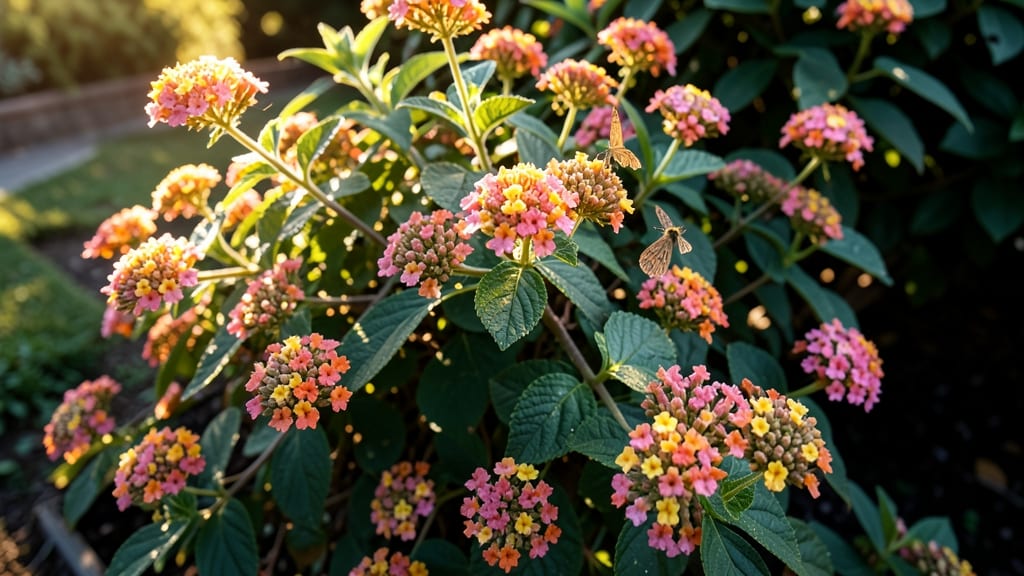
Lantana (Lantana Camara) for Sun-Tolerant Shade Edges

Struggling to bridge the gap between sun-drenched borders and deep shade? Lantana (Lantana camara) thrives in those tricky transition zones where other plants fail—adding vibrant color while demanding almost no care once established.
This butterfly magnet handles partial shade beautifully, producing clusters of yellow, orange, and pink flowers that bloom nearly year-round in Texas. After the first year, it becomes drought-tolerant, making it ideal for low-water landscapes. Simply prune lightly after blooms fade to encourage bushier growth and more flowers.
Perfect for urban gardeners with limited space or rural landscapes needing pollinator support, lantana turns forgotten edges into lively, low-maintenance focal points. 🌻