
Shrubs
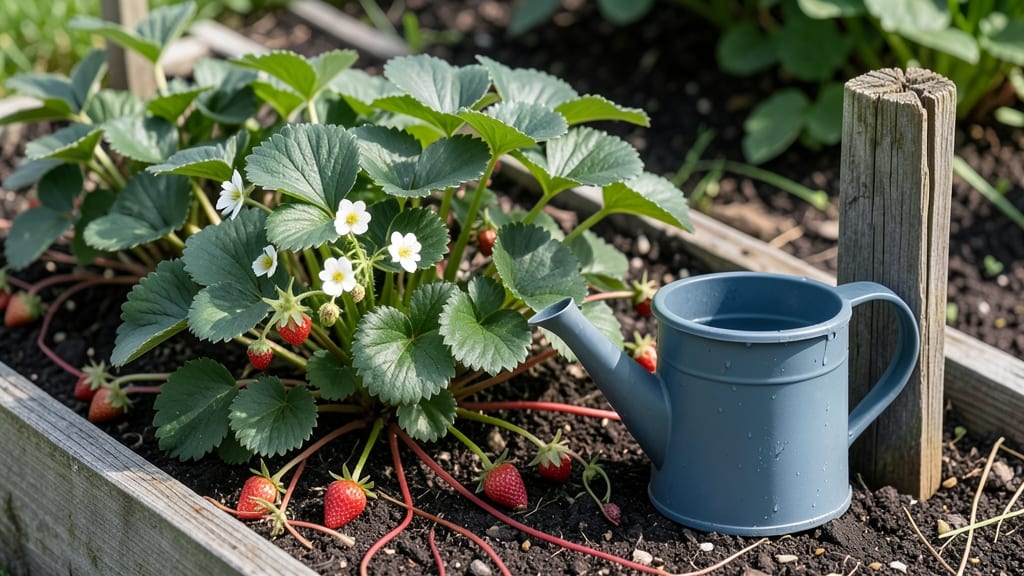
Growing strawberries in the right balance of sun or shade can double—or even halve—your harvest, depending on how you set them up.
Picture this: You’ve planted your 🍓 strawberries with big hopes, only to watch them struggle in the heat or fail to fruit in shady spots. The truth is, strawberries crave sunlight but can’t handle scorching afternoons in hot climates.
Whether you’re in a sunny backyard or a partially shaded patio, getting the light just right is the key to juicy, abundant berries—and I’ll show you exactly how.
Most gardeners assume strawberries need full sun, but that’s not always the case. In Zone 6a or hotter regions, afternoon shade can save your plants from wilting, while everbearing varieties might thrive with morning sun and dappled shade.
I’ll break down the science behind light exposure, regional tweaks, and even how to hack shade for containers or urban gardens.
By the end, you’ll know whether your strawberries need six hours of sun, a mix of light and shade, or special care to beat the heat—and how to adjust watering, mulching, and pruning to match. Let’s make this your most productive strawberry season yet!
 Best Window Placement
How much sun do strawberries really need for maximum growth?
If you’ve ever wondered whether your strawberry plants thrive better in full sun or partial shade, the answer isn’t as simple as "more is better." While strawberries love sunlight, too much heat—especially in hot climates—can actually reduce yields and damage fruit.
The sweet spot? 6 to 10 hours of sunlight daily, but with adjustments based on your region and garden setup. Let’s break down the science so you can position your plants for the biggest, juiciest harvest possible.
Most strawberry varieties—especially June-bearing and everbearing types—require full sun to produce their best fruit. Without enough light, plants focus energy on leaves instead of berries, leading to smaller yields and less flavor.
However, in urban gardens or areas with intense afternoon sun, partial shade (3–6 hours of direct light) can prevent sunburn and keep plants healthy. The key is balancing light exposure with temperature control to avoid stress.
🌱 Summary Table: Strawberry Sunlight Needs by Region
| Region | Ideal Sunlight | Shade Adjustments | Yield Impact |
|---|---|---|---|
| Cool Climates (Zones 3-6) | 6–8 hours | Minimal shade needed; focus on frost protection | Maximize fruit size and sweetness |
| Hot Climates (Zones 7-10) | 4–6 hours (morning sun + afternoon shade) | Use shade cloth (30–50%) for afternoon protection | Prevents sunburn; maintains consistent yields |
| Urban Gardens (Containers) | 6+ hours (south-facing) | Rotate pots for even light; avoid west-facing windows | Smaller yields but higher quality in limited space |
| Partial Shade Gardens | 3–4 hours (dappled light) | Choose shade-tolerant varieties like 'Seascape' | Reduced yield but viable for small harvests |
To measure sunlight accurately, use a sunlight tracker or observe your garden between 10 AM and 4 PM—the peak sunlight hours. A simple trick: Place a white board where you plan to plant and mark shadows every hour.
If shadows are shorter than the board’s height for 6+ hours, you’ve got ideal conditions. In shady spots, shadows will stretch longer, and yields may drop by 30–50%.
In hot climates, afternoon sun (after 2 PM) can scorch leaves and cause fruit to split or turn bland. Here, partial shade becomes essential. Try planting strawberries near taller plants (like tomatoes or corn) to create natural shade or use shade cloth with 30–50% coverage.
Even a whitewashed fence can reflect light away from delicate foliage, reducing stress.
For urban gardeners with limited space, containers can help control light exposure. Place pots on south-facing balconies or use self-watering planters with built-in shade. If your only option is a north-facing window, opt for everbearing varieties like 'Ozark Beauty,' which tolerate lower light better than June-bearing types.
Just expect smaller berries and fewer fruits per plant.
One common mistake? Assuming all strawberry varieties have the same light needs. June-bearing types (like 'Chandler') demand full sun, while everbearing varieties (like 'Seascape') can handle partial shade more gracefully. Always check the seed packet or plant tag for specific recommendations—this small step can double your harvest!
Pro tip: If your strawberries start showing signs of heat stress (yellowing leaves, crispy fruit, or wilting), it’s time to adjust. Move containers to a shadier spot or install drip irrigation to keep roots cool.
Mulching with straw or wood chips also helps regulate soil temperature, giving your plants a fighting chance in extreme conditions.
Remember, the goal isn’t just survival—it’s maximizing flavor and yield. Strawberries grown in optimal sunlight develop deeper colors, higher sugar content, and firmer textures. By tailoring light exposure to your local climate and garden setup, you’ll turn every berry into a sweet victory.
Now go test your spot—your next harvest is waiting!
Sun vs. shade: when to protect strawberries from too much heat
Even though strawberries love full sun, too much heat can turn your lush plants into crispy casualties. In hot climates or during peak summer afternoons, excessive sunlight causes sunburn—visible as yellowed leaves or leathery, tasteless fruit.
The key is finding that sweet spot where your plants get enough light to thrive but aren’t fried by midday rays.
I’ve seen firsthand how afternoon shade can save a struggling patch of strawberries. When temperatures climb above 90°F (32°C), even the hardiest varieties like Chandler or Seascape start to suffer.
The good news? Simple adjustments—like temporary shade or organic mulching—can make all the difference between a bountiful harvest and a sad, sun-scorched garden.
⚠️ WARNING: STRAWBERRY SUNBURN SIGNS YOU CAN’T IGNORE
To protect your strawberries, start with shade cloth rated for 30-50% light reduction. Hang it over your plants during the hottest hours (11 AM–3 PM), especially in USDA Zones 8-10.
For a budget-friendly fix, use lightweight row covers or even a white umbrella to diffuse harsh rays without blocking airflow.
Organic solutions like mulching with straw or wood chips work wonders too. A 3-inch layer keeps roots cool, retains moisture, and reduces soil temperature by up to 10°F (5°C).
Pair this with companion planting: Tall plants like sunflowers or corn can provide natural shade for strawberries in raised beds.
Watering strategy is just as critical. Deep watering in the morning (1–2 inches per week) encourages roots to seek moisture below the surface, where it’s cooler. Avoid evening watering—wet foliage + heat = fungal risks like gray mold.
If your strawberries are already struggling, trim any damaged leaves to redirect energy to fruit production.
In extreme heat, shade isn’t just helpful—it’s essential for survival. If your plants show signs of distress, move them to a shadier spot immediately or create temporary shade with a lightweight tarp or permanent trellis with climbing plants.
With the right balance, your strawberries will reward you with sweeter, juicier berries all season long. 🍓