
Companion Plants
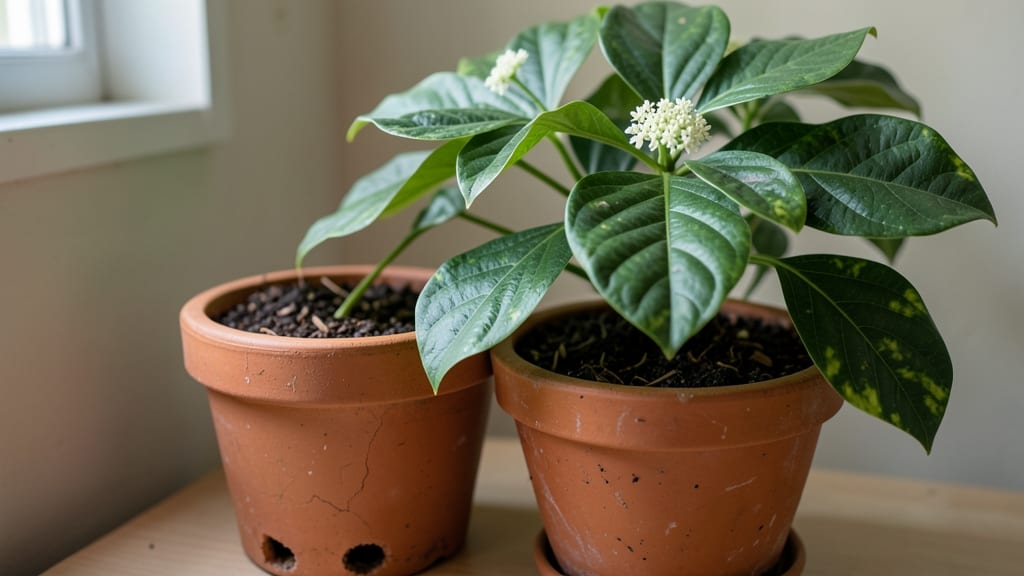
Shade-tolerant potting plants turn dim corners into lush green escapes. 🌿 I’ve transformed my darkest patio nook into a jungle of velvety foliage—no sun required. The secret lies in choosing the right plants and mimicking their natural understory habitats.
Most shade plants need well-draining soil mixed with peat or coconut coir to prevent soggy roots, and containers with drainage holes to avoid waterlogging. My go-to trio—calatheas, ferns, and impatiens—thrive in bright, indirect light (think dappled sunlight through trees) and stay vibrant with weekly misting.
By mid-summer, you’ll see glossy new leaves unfurling and delicate blooms popping up where others give up. The key is consistency: check soil moisture before watering, and rotate pots monthly for even growth. Works for apartments, north-facing patios, or even office spaces. Let’s bring that shade garden to life!
📚 In This Guide
- What you need
- Instructions
- Tips and common mistakes
- Wrapping up and next steps
What you need
- ● Containers: 3–6 pots (10–14 inches in diameter) with drainage holes. Opt for terracotta, ceramic, or high-quality plastic.
- ● Potting Mix: 1–2 bags of well-draining, peat-free mix (e.g., African violet or shade-loving blend). Avoid garden soil—it compacts!
- ● Shade-Tolerant Plants: 3–6 plants (e.g., Calathea, Ferns, Hostas, or Begonias). Pick slow-growing varieties for long-term success.
- ● Drainage Layer: Small gravel, perlite, or expanded clay pebbles (1–2 inches per pot).
- ● Watering Can or Spray Bottle: A gentle sprayer works best for moisture-loving plants.
- ● Fertilizer: Slow-release organic fertilizer (e.g., fish emulsion or compost tea) for nutrient-rich soil.
- ● Self-watering trays or saucers to retain moisture.
- ● Moss or decorative pebbles for a polished, natural look.
- ● Plant labels (waterproof!) to track varieties.
- ● Pruning shears for trimming overgrowth.
- ● Humidity dome or plastic wrap (for tropical plants).
Step-by-Step guide to potting shade-loving plants
Here’s how to select and cultivate striking foliage plants that flourish in low-light conditions.
🌿 Step 1: Choose the Right Shade-Tolerant Plants
Select plants known for thriving in indirect or filtered light, such as calatheas, ferns, pothos, or peace lilies. These varieties handle low light better than sun-dependent species. I always check the plant’s native habitat—tropical understory plants like calatheas or philodendrons naturally grow beneath taller foliage and adapt well to indoor shade.
Skip plants labeled "full sun"—they’ll yellow or stretch toward light. Instead, opt for variegated foliage (like snake plants or ZZ plants) or deep green, waxy leaves (such as cast iron plants), which signal shade tolerance. A quick rule: if a plant’s leaves look dull or limp in bright light, it’s a shade lover.
🪴 Step 2: Select Well-Draining Containers and Soil
Use terracotta or ceramic pots with drainage holes—these materials wick away excess moisture, preventing root rot in low-light conditions. I avoid plastic pots for shade plants because they trap humidity, creating a breeding ground for fungal issues. For 4 plants, choose 6-8 inch pots—smaller pots dry out faster, but larger ones risk waterlogging.
Fill pots with a lightweight, airy potting mix (avoid garden soil—it compacts and suffocates roots). I blend 50% peat moss or coco coir with 30% perlite and 20% compost for drainage and nutrients. Press the mix gently into the pot, leaving ½ inch below the rim for watering. Overpacking soil blocks airflow, which shade plants need more than sun-lovers.
☀️ Step 3: Position Plants for Optimal Indirect Light
Place pots 2-3 feet from an east- or north-facing window, where light is soft and diffused. Avoid south-facing windows—even filtered light can scorch delicate leaves. If natural light is minimal, supplement with a grow light (LED or fluorescent) 12 inches above the plants for 8-10 hours daily. You’ll notice leaves darkening or elongating if light is insufficient.
Rotate pots quarter-turn weekly so all sides receive even exposure. Shade plants grow toward light, so uneven growth signals a need for repositioning. For variegated plants, insufficient light causes the white or yellow patterns to fade—this is your cue to adjust placement or add artificial light.
💧 Step 4: Water and Fertilize for Low-Light Conditions
Water when the top 1-2 inches of soil feel dry—shade plants grow slower and need less frequent watering than sun-lovers. I use the "finger test" to check moisture: insert a finger into the soil. If it’s damp past the first knuckle, wait another day. Overwatering is the #1 killer of potted shade plants, so never let pots sit in saucers of water.
Fertilize lightly every 4-6 weeks with a balanced, water-soluble fertilizer (10-10-10 or 20-20-20). Shade plants absorb nutrients slower, so I halve the recommended dose to avoid burning roots. Yellowing leaves often signal over-fertilization—rinse the soil with water if this happens. In winter, reduce fertilizing to once every 8-10 weeks as growth slows.
✂️ Step 5: Prune and Maintain for Healthy Growth
Trim leggy stems or yellowing leaves to encourage bushier growth. Use clean, sharp scissors to cut just above a leaf node (the bump where leaves attach). This redirects energy to new shoots. I prune calatheas every 3-4 months to maintain their compact shape—skipping this leads to sparse, floppy foliage.
Dust leaves every 2-3 weeks with a damp cloth—shade plants collect dust faster, blocking light absorption. Wipe gently, especially on sensitive varieties like ferns, which bruise easily. If pests appear (like spider mites), treat with neem oil or insecticidal soap. Shade plants are less pest-prone than sun-lovers, but stagnant air encourages infestations.
Tips & tricks for perfect shade-loving potted plants
Here's what nobody tells you about keeping your low-light beauties thriving—and why most people fail at it.
Light Quality Matters: In Step 3, when positioning your plants 2-3 feet from windows, pay attention to the light quality—not just quantity. East-facing windows provide gentle morning light ideal for variegated plants like snake plants or ZZ plants, while north-facing windows offer consistent, even light perfect for calatheas. If you notice leaves developing brown patches or crispy edges near windows, you're getting too much direct light—move them back 6 inches or add a sheer curtain. The goal is diffused, indirect light that mimics their natural understory habitat.
Soil Science Secret: The 50-30-20 soil blend in Step 2 isn't just about drainage—it's about creating the perfect air-to-water ratio for shade plants. I've found that adding a handful of orchid bark (optional) to the mix improves aeration even more, especially for moisture-sensitive varieties like peace lilies. When repotting, always use fresh mix rather than adding to old soil—compacted soil blocks roots and reduces airflow, which shade plants need more than sun-lovers.
Watering Wisdom: The finger test in Step 4 is brilliant, but here's the follow-up: check moisture at the same time each day to establish a routine. I test in the morning before watering—this prevents overwatering during cooler evenings when evaporation slows. For 4 plants in 6-8 inch pots, you'll typically water every 7-10 days, but this varies wildly by season. A simple moisture meter (under $10) takes the guesswork out completely and prevents the #1 cause of shade plant failure.
Grow Light Hack: When supplementing with artificial light for 8-10 hours daily (Step 3), position LED grow lights 12 inches above but adjust the angle to 45 degrees. This creates a more natural light spectrum that prevents the "leggy" growth you get from overhead lighting. I've seen pothos and philodendrons grow 30% fuller when angled properly—it mimics the dappled light they'd receive under taller trees in nature.
Pro Tips for Shade Potting Plants
- Here's what nobody tells you about keeping your low-light beauties thriving—and why most people fail at it.
- Light Quality Matters: In Step 3, when positioning your plants 2-3 feet from windows, pay attention to the light quality—not just quantity.
- Soil Science Secret: The 50-30-20 soil blend in Step 2 isn't just about drainage—it's about creating the perfect air-to-water ratio for shade plants.
Frequently asked questions
Got questions about keeping your shade-loving potted plants happy? You’re not alone! Here are some of the most common concerns—and straightforward answers—to help you garden with confidence.
What are the best shade-tolerant plants for pots?
Opt for foliage-focused stars like Calathea, Pothos, or Fittonia for vibrant leaves. Ferns (e.g., Boston or Maidenhair) and Peperomia also thrive in low light. Avoid sun-hungry plants like succulents or citrus—they’ll wilt faster than a snowman in summer!
How often should I water shade potted plants?
Check soil moisture weekly—shade plants dry slower but still need consistent hydration. Stick your finger 1-2 inches deep; if dry, water until it drains from the bottom. Pro tip: Use well-draining soil and pots with drainage holes to prevent soggy roots.
Why are my shade plants’ leaves turning yellow?
Yellowing leaves often signal overwatering or poor drainage. Let soil dry slightly between waterings, and ensure pots aren’t sitting in saucers of stagnant water. Check for pests too—aphids or spider mites love shade plants and can stress them out.
Can I move my shade plants outside in partial sun?
Yes, but acclimate them gradually! Start with 1-2 hours of morning sun, then slowly increase exposure over 2-3 weeks. Sudden sun exposure can scorch delicate leaves—think of it like giving your plants a sunless tan!
What’s the best way to refresh soil in shade pots?
Replace soil every 1-2 years or when it compacts. Mix in peat moss or coconut coir for moisture retention, and add a slow-release fertilizer (like osmocote) for nutrients. Bonus: Repotting gives roots room to breathe and prevents root-bound stress.
Got a tricky spot? Try these alternatives!
- North-facing balconies: Heuchera (Coral Bells) or Hosta for bold textures.
- Indoor shade: ZZ Plants or Snake Plants (nearly indestructible!).
- Damp areas: Moss or Begonias love humidity.
Wrapping up and next steps
Shade-loving potting plants bring vibrant life and texture to your space without needing direct sunlight—proving that even the coziest corners can bloom! 🌿 Whether you’re drawn to lush ferns, striking calatheas, or bold hostas, these plants are your easy-care allies for adding drama with minimal effort.
Now that you’re armed with the right materials, tips, and answers, it’s time to roll up your sleeves and get planting!
Your next step? Pick your favorite shade star and create a stunning pot arrangement—then share your progress with fellow plant lovers! 🌟 Happy potting!