
Plants
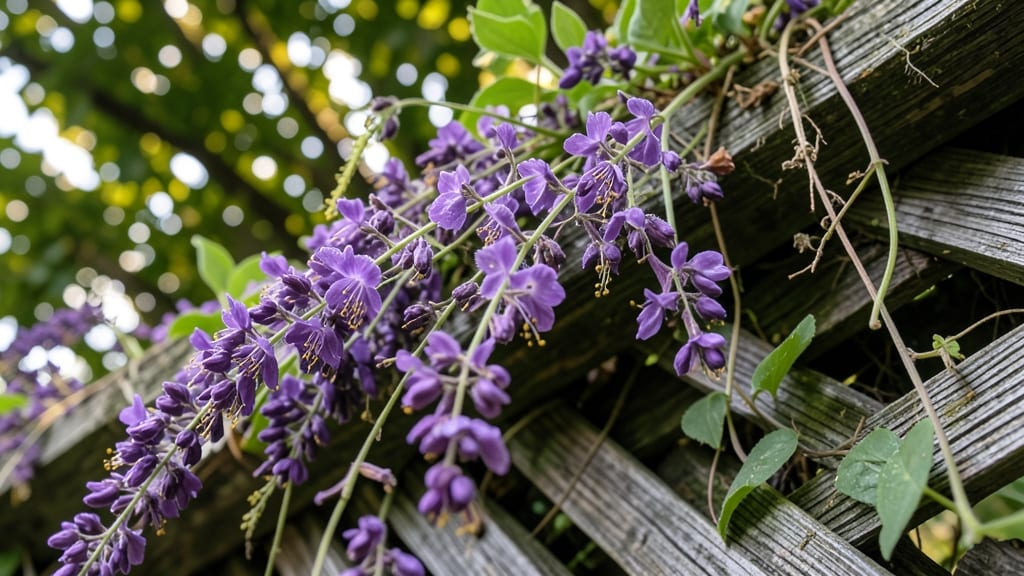
Dark corners of your garden don’t have to be dull—these 10 shade-loving bloomers bring vibrant color, intoxicating fragrance, and easy care to low-light spaces. Perfect for gardeners seeking beauty without direct sunlight.
Sweet Woodruff for Delicate White Blooms

Transform your darkest garden corners into a fragrant retreat with sweet woodruff, a delicate ground cover that thrives in deep shade while releasing a subtle vanilla-like scent when brushed. This charming plant produces clusters of tiny, star-shaped white flowers that bloom in late spring, creating a dreamy woodland effect.
Sweet woodruff spreads gently to form a lush carpet, making it ideal for borders, woodland gardens, or under trees. It prefers moist, well-drained soil and tolerates dry spells once established, though it may go dormant in extreme heat. For best results, plant in spring or early fall and mulch lightly to retain moisture.
Perfect for sensory gardens or as a living mulch, sweet woodruff adds both beauty and fragrance without demanding full sun. Gardeners with shady spots will love its low-maintenance charm and ability to thrive where others falter. 🌿
Bleeding Heart with Heart-Shaped Pink Flowers

If you crave a romantic, old-fashioned charm in your shade garden, bleeding heart (Dicentra spectabilis) delivers cascading clusters of heart-shaped blooms that feel like a secret garden treasure. Unlike many shade plants, it doesn’t just tolerate low light—it thrives in it, with pink or white flowers that dangle gracefully from arching stems, creating a natural waterfall effect.
This spring-to-summer bloomer loves consistently moist, well-drained soil and partial to full shade, making it ideal for woodland edges, foundation plantings, or containers. For best results, plant in early spring or fall, spacing them 18-24 inches apart. After flowering, the foliage turns attractive, though it may yellow in hot summer—this is normal and signals the plant’s dormant phase.
Perfect for gardeners who love vertical interest without tall, structural plants, bleeding heart pairs beautifully with ferns and hostas. Its delicate blooms make it a standout in cottage gardens or as a focal point in shady borders. 💚
Hosta with Lavender and Blue Flower Spikes

If you love hostas for their lush foliage but crave a pop of color in your shade garden, look no further than varieties with lavender or blue flower spikes. These stunning hybrids—like 'Halcyon' or 'Blue Angel'—combine the classic hosta look with delicate, fragrant blooms that rise above the leaves like sky-high confetti.
These varieties thrive in partial to full shade and prefer moist, well-draining soil, making them perfect for woodland gardens or under trees. The flower spikes appear in late spring to early summer, adding a soft vertical element that contrasts beautifully with hosta’s broad leaves. For best results, divide clumps every 3-4 years to keep them vigorous and blooming.
Gardeners with shady spots who want both foliage and flowers will adore this combo—it’s like getting two plants in one! The fragrant blooms also attract pollinators, making your shade garden a little ecosystem. 🌿
Astilbe with Feathery Plume-Like Blooms

Want to add movement and texture to your shade garden without sacrificing color? Astilbe delivers soft, feathery plumes in pink, red, or white that dance in the breeze, creating a dreamy, ethereal effect. Unlike many shade plants, astilbe thrives in moist, well-drained soil and blooms prolifically from late spring to summer, making it a standout for pollinator-friendly gardens.
This butterfly magnet prefers partial to full shade and loves consistent moisture—ideal for woodland gardens, borders, or containers. Choose from varieties like 'Fanal' (deep pink) or 'Deutschland' (white) for height and drama, or 'Bridal Veil' for a delicate, airy look. Deadhead spent blooms to encourage more flowers, and mulch to retain moisture.
Perfect for gardeners who love low-maintenance shade plants with high impact, astilbe pairs beautifully with ferns, hostas, and heucheras. Its long bloom season and pollinator appeal make it a must-have for cottage gardens or any shady spot craving color. 🌻
Japanese Painted Fern with Lacy Fronds

Skip the competition for attention in your shade garden—Japanese painted fern (Athyrium niponicum var. pictum) steals the show with its silvery-green, lacy fronds that shimmer like frost-kissed lace. Unlike traditional bloomers, this fern delivers year-round architectural interest, with chartreuse flower spikes appearing in late spring as a bonus surprise.
Thriving in partial to full shade, this fern handles moist, well-drained soil> perfectly, making it ideal for woodland gardens, under trees, or as a container specimen. Its compact size (18-24 inches tall) lets you tuck it between other plants without overpowering them. For best results, divide clumps every 3-4 years to maintain vigor and encourage fresh growth.
Urban gardeners and small-space enthusiasts will love how this fern adds texture and movement without demanding full sun. Pair it with hostas or astilbe for a layered, low-maintenance shade garden that feels like a serene retreat. 🌱
Foxglove with Tall Spires of Bell-Shaped Flowers

Ready to add dramatic height to your shady borders? Foxglove (Digitalis purpurea) stands tall with its iconic bell-shaped blooms in soft pinks, purples, and whites—like nature’s own fairy-tale spires. This biennial plant thrives in partial to full shade, making it perfect for understory planting where most flowers struggle.
Plant seeds in early spring or fall for second-year blooms that reach 2-5 feet tall, creating vertical interest without competing for sunlight. Deadhead spent flowers regularly to encourage more blooms and prevent self-seeding if you don’t want volunteer plants popping up everywhere. Foxglove prefers well-draining soil and benefits from morning sun to keep foliage healthy.
Gardeners with woodland gardens or cottage-style borders will adore foxglove’s whimsical charm. Just be mindful—it contains cardiac glycosides, so wear gloves when handling. The payoff? Stunning, long-lasting blooms that bring magic to shady spots. ✨
Coral Bells with Vibrant Red and Pink Flowers

Brighten up your shady borders with coral bells (Heuchera), a compact perennial that packs a punch with its fiery red and pink bell-shaped flowers. Unlike other shade plants that rely on foliage, coral bells steals the show with its clusters of vibrant blooms that appear in late spring and last through summer, making it a standout in partial to full shade.
Varieties like 'Fireworks' or 'Dragon Wing' offer striking color contrasts, with deep green, purple, or silver foliage that adds year-round interest. These plants thrive in well-draining soil and prefer consistent moisture, though they tolerate dry spells once established. For best results, plant in spring or early fall and space them 12-18 inches apart to create a lush, colorful display.
Perfect for container gardens, rockeries, or as edging plants, coral bells bring bold color and texture to shady spots without requiring full sun. Urban gardeners and small-space enthusiasts will love how they fit neatly into tight areas while delivering dramatic blooms. 🌻
Lungwort with Spotted Leaves and Blue Flowers

Tired of shade gardens that feel flat and predictable? Lungwort (Pulmonaria) injects drama with its silver-spotted leaves that transform to green as spring progresses, paired with clusters of blue or purple flowers that bloom early—often before most other shade plants even wake up.
This underrated perennial thrives in partial to full shade and handles moist, well-drained soil> beautifully, making it perfect for woodland gardens, under trees, or as a ground cover. The foliage remains attractive year-round, and its early blooms provide crucial nectar for bees when few other flowers are available. For best results, plant in spring or early fall and divide clumps every 3-4 years to maintain vigor.
Gardeners who love textural contrast and early-season color will adore lungwort—it’s like getting a two-for-one deal with foliage and flowers. Pair it with hostas or ferns for a layered, low-maintenance shade garden that feels like a secret woodland retreat. 💚
Toad Lily with Nodding Yellow and Brown Flowers

Bring a touch of the unexpected to your deep shade garden with toad lily (Tricyrtis), a mysterious perennial that thrives where others falter. Its nodding, lantern-like flowers in warm yellow and brown hues appear in late summer to fall, creating a striking contrast against its bold, sword-like foliage that stays attractive year-round.
This shade-loving gem prefers moist, well-drained soil and partial to full shade, making it perfect for woodland gardens, under trees, or as a focal point in dark corners. Unlike many shade plants, toad lily blooms when others are winding down, extending your garden's seasonal interest. For best results, plant in spring or early fall and mulch to retain moisture—its deep roots appreciate consistent dampness but avoid waterlogged conditions.
Gardeners who love unusual, low-maintenance perennials will adore toad lily's exotic charm and ability to thrive in neglected spots. Pair it with ferns or hostas for a layered woodland effect that feels both wild and refined. 🌷
Sweet Rocket with Fragrant Purple Blooms

Elevate your shady garden with sweet rocket (Hesperis matronalis), a fragrant climber that transforms dull corners into a sensory paradise. Its clusters of tiny, intensely purple blooms release a sweet, honey-like scent that fills the air—perfect for trellises, arbors, or containers where other shade plants struggle to thrive.
This self-seeding annual (or short-lived perennial) thrives in partial to full shade and prefers well-drained soil, making it ideal for urban balconies or woodland edges. Plant seeds in early spring or fall for blooms that appear in late spring to early summer. Prune spent flowers to encourage more blooms and attract butterflies and bees—it’s a pollinator magnet!
Gardeners with limited space or vertical areas will love sweet rocket’s versatile growth habit. Whether trained up a trellis or allowed to trail in containers, it adds color, fragrance, and movement without demanding full sun. A must-have for cottage gardens or pollinator-friendly spaces! 🌷