
Light Requirements
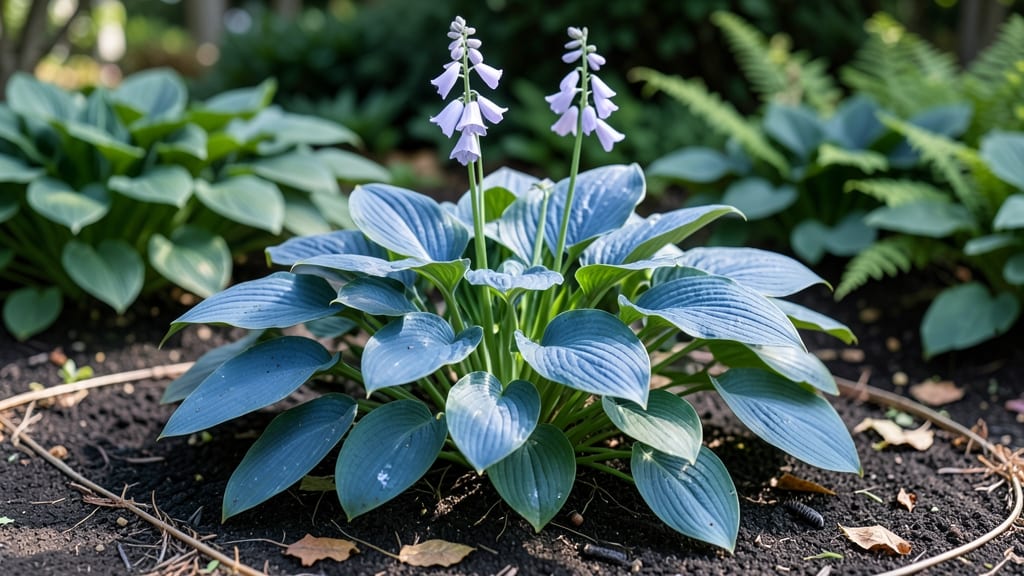
Zone 5's shady spots don't have to stay bare—these perennials thrive where sunlight barely dares to go. 🌿 I've learned the hard way that shade gardens need the right plants, and these cold-hardy beauties deliver year after year without fuss.
The key is matching moisture-loving roots with soil that drains just enough to keep them happy through our brutal winters.
Start with hostas for their bold foliage and deer resistance, or astilbes for feathery plumes that dance in summer breezes. Hellebores and ferns handle dry shade like pros, while coral bells bring vibrant color with almost no effort.
These plants all handle Zone 5's 30-40°F winters without batting an eye—once established, that is.
You'll end up with a lush, low-maintenance garden that stays green through summer and pops with color in spring. The secret is mulching (2-3 inches of shredded bark) to protect roots and watering deeply once a week during dry spells. Even my black thumb can't kill these shade-loving survivors.
Works for woodland gardens, foundation plantings, or even under large trees where nothing else grows. Here's how to pick, plant, and keep them thriving through our long winters—no green thumb required.
📚 In This Guide
- What you need
- Instructions
- Tips and common mistakes
- Wrapping up and next steps
What you need
- ● Shade-tolerant perennial plants: 5–10 Hosta (e.g., 'Blue Angel' or 'Francee')
- ● 3–5 Heuchera (e.g., 'Palace Purple' or 'Lime Rickey')
- ● 2–3 Astilbe (e.g., 'Fanal' or 'Deutschland')
- ● 1–2 Bleeding Heart (Dicentra) (e.g., 'Valentine' or 'King of Hearts')
- ● 1–2 Foamflower (Tiarella) (e.g., 'Pink Skyrocket')
- ● 1 Japanese Painted Fern (Athyrium) (e.g., 'Ghost' or 'Silver Falls')
- ○ Soil amendments (optional but recommended): 5–10 gallons of compost or well-rotted manure
- ● 1–2 bags of peat moss or coconut coir (for moisture retention)
- ● 1–2 cups of balanced fertilizer (10-10-10) (spring/fall)
- ● Mulch: 2–3 bags of shredded bark or wood chips (2–3 inches deep)
- ● Essential tools: 1 garden trowel (for transplanting)
- ● 1 hand pruners (for cleanup)
- ● 1 garden fork (for amending soil)
- ● 1 wheelbarrow or bucket (for hauling materials)
- ○ Optional (but helpful): 1 soil pH test kit (ideal range: 6.0–7.0 for most shade perennials)
- ● 1 hose with adjustable nozzle (for gentle watering)
- ● 1 garden gloves (to protect your hands)
- ● ✅ A shady or partially shady spot (dappled sunlight to full shade, <6 hours of direct sun)
- ● ✅ Well-draining moist, rich soil (amend if clay-heavy or sandy)
- ● ✅ Proper timing: Plant in spring (April–May) or early fall (September) for best establishment.
- ● 💡 Pro tip: Avoid planting in summer heat—Zone 5 perennials stress easily in extreme temps!
Step-by-Step guide to designing a thriving shade perennial garden in Zone 5
Here’s how to create a lush, low-maintenance shade garden that thrives through Zone 5 winters.
🌿 Step 1: Assess Your Shade Conditions
First, observe your space for at least 24 hours to determine the type of shade you have. Zone 5 gardens typically face partial shade (3-6 hours of sunlight) or full shade (less than 3 hours). Note if the area stays dry or remains damp—this dictates moisture-loving vs. drought-tolerant plants. I like to sketch a quick map of sun paths to visualize where to place taller perennials (like hostas or astilbes) versus shorter ground covers (like lungwort or ferns).
If your shade comes from trees, check for root competition—some shade trees (like maples) steal nutrients aggressively. I always test soil moisture by digging a 6-inch hole—if water pools, you’ll need plants that tolerate wet conditions. If the soil dries quickly, opt for drought-tolerant perennials like Japanese painted fern or Solomon’s seal.
🪴 Step 2: Select Cold-Hardy Perennials for Zone 5
Zone 5’s minimum winter temperatures (-10°F to -20°F) demand perennials with proven cold tolerance. Start with layered planting—tall backdrops (like coral bells or bugbane) behind mid-height perennials (like foamflower or Japanese anemone), with ground covers (like sweet woodruff or creeping phlox) filling gaps. I prioritize plants with deep root systems (like hellebores) to outcompete weeds and foliage that persists through winter (like sword ferns or Christmas ferns).
Avoid tender perennials (like tiarella or lungwort) unless you mulch heavily—Zone 5 winters can still damage them. Instead, focus on hostas (Hosta spp.), astilbes (Astilbe spp.), and ferns (Matteuccia struthiopteris)—these handle frost and bounce back in spring. Pro tip: Group plants with similar water needs together to simplify care.
☀️ Step 3: Prepare Soil for Low-Light Success
Shade perennials thrive in moist, well-draining soil with high organic matter. Work in 3-4 inches of compost (or aged manure) into the top 12 inches of soil—this improves drainage while retaining moisture. I like to mix in a handful of bone meal (for phosphorus) to encourage strong root growth, especially for perennials like hellebores that bloom early. Avoid fresh manure—it can burn tender roots.
If your soil is clay-heavy, amend with peat moss or coconut coir to lighten it. For sandy soil, add composted leaves or leaf mold to boost water retention. Test soil pH—most shade perennials prefer slightly acidic to neutral (6.0-7.0). If your soil is alkaline, mix in sulfur or pine needles to lower pH gradually. Mulch with 3-4 inches of shredded bark or leaf litter after planting to protect roots and suppress weeds.
🌱 Step 4: Plant with Layered Depth and Spacing
Dig holes twice as wide as the root ball but no deeper—this encourages roots to spread horizontally. Place each plant so the top of the root ball sits level with the soil surface (never buried deeper). Space perennials based on their mature size: hostas (2-3 feet apart), astilbes (18-24 inches apart), and ground covers (12-18 inches apart). I stagger plants in odd-numbered groupings (3, 5, or 7) for a natural, full look.
Water deeply right after planting to settle the soil and eliminate air pockets. Then, water every 2-3 days until new growth appears—shade perennials need consistent moisture to establish roots. Avoid overhead watering (which can spread disease); instead, use soaker hoses or drip irrigation at the base. This step is critical: Underwatered shade plants wilt dramatically, while overwatered ones rot.
⏰ Step 5: Mulch and Winter-Proof for Zone 5
Apply a 4-inch layer of mulch in late fall (after the first frost) to insulate roots. I use shredded hardwood mulch—it breaks down slowly and adds organic matter. For extra protection in Zone 5’s harsh winters, top-dress with 6 inches of straw or leaves over tender perennials (like tiarella). This prevents heaving (when soil freezes and pushes plants out of the ground).
In early spring, remove old foliage from perennials like hellebores or astilbes—it can harbor pests. But leave seed heads on ornamental grasses (like Hakonechloa) for winter interest. Fertilize lightly in early April with a balanced 10-10-10 to encourage new growth. Watch for slugs and snails—they love tender shade perennials. I set out beer traps or copper barriers to keep them at bay without chemicals.
Tips & tricks for thriving shade perennials in Zone 5
Here’s what I’ve learned after years of trial and error with shade gardens in Zone 5’s unforgiving winters.
Layering for Year-Round Interest: In Step 2, when selecting perennials, prioritize plants that offer seasonal interest beyond just summer blooms. Pair early spring bloomers like hellebores with late-season performers such as Japanese anemone—this ensures your garden remains visually dynamic from March through November. I also incorporate evergreen ferns and Christmas ferns for winter structure, which prevents the "brown winter" look many shade gardens suffer from.
Soil Moisture Test Refinement: The 6-inch hole test in Step 1 is crucial, but I’ve found it’s even more telling to check moisture at two different depths: 3 inches and 6 inches. If both levels stay wet, you’ll need moisture-tolerant plants like Solomon’s seal. If only the top layer dries quickly, your soil likely has poor drainage, and you should amend with composted leaves rather than just compost alone. This two-tiered approach helps you make more precise plant selections.
Winter Protection Strategy: For Step 5’s mulching, I’ve discovered that adding a 2-inch layer of straw directly on top of the 4-inch hardwood mulch provides an extra insulating barrier during our Zone 5 winters. This simple tweak has prevented heaving in tiarella and lungwort during particularly harsh winters, even when I didn’t have time for the full 6-inch straw layer. The straw acts like a thermal blanket while still allowing water penetration.
Pro Tips for Shade Perennials Zone 5
- Here’s what I’ve learned after years of trial and error with shade gardens in Zone 5’s unforgiving winters.
- Layering for Year-Round Interest: In Step 2, when selecting perennials, prioritize plants that offer seasonal interest beyond just summer blooms.
- Soil Moisture Test Refinement: The 6-inch hole test in Step 1 is crucial, but I’ve found it’s even more telling to check moisture at two different depths: 3 inches and 6 inches.
Frequently asked questions
Got questions about thriving shade perennials in Zone 5? You’re not alone! Here are some common concerns—and expert answers—to help you grow a lush, low-light garden that survives winter’s chill.
What are the easiest shade perennials to grow in Zone 5?
Start with hostas, heucheras, astilbes, and Japanese painted ferns—they’re hardy, low-maintenance, and handle Zone 5 winters like pros. For bold color, try bleeding heart or coral bells. Pro tip: Choose varieties labeled "Zone 5" or lower for guaranteed survival!
Do shade perennials need winter protection in Zone 5?
Most shade perennials are tough enough to handle Zone 5 winters without extra care, but tender varieties (like tiarella or hellebores) may need a 3-inch layer of mulch after the first frost. Avoid heavy mulch near stems to prevent rot. Exception: Evergreens like boxwoods benefit from winter burlap wraps in harsh winters.
How much shade is too much for perennials in Zone 5?
While these plants thrive in partial to full shade (2–6 hours of sun), most need at least a few hours of dappled light to prevent leggy growth. Hostas and ferns tolerate deep shade, but heucheras and astilbes may need morning sun for vibrant foliage. Test your spot: If it’s dark all day, opt for caladiums or trilliums for true shade lovers.
Why are my shade perennials turning yellow or crispy?
Yellow leaves often signal overwatering or poor drainage, while crispy edges mean underwatering or heat stress—even in shade! Check soil moisture (top 1–2 inches should dry slightly between waterings) and ensure containers have drainage holes. Fix it: Amend heavy clay soil with compost and water deeply once a week in summer.
Can I divide shade perennials in Zone 5?
Hostas, heucheras, and astilbes can be divided in early spring or fall when temps are mild (50–60°F). Dig up clumps, separate roots gently, and replant divisions 12–18 inches apart. Skip division in winter—frozen roots won’t survive the shock. Hellebores hate disturbance, so wait until they’re 3–4 years old before dividing.
Wrapping up and next steps
Choosing the right shade perennials for Zone 5 means you’re not just filling your garden—you’re crafting a resilient, year-round masterpiece that thrives even when winter’s frost arrives.
From hardy Hosta and Astilbe to bold Hellebore and Foamflower, these plants prove that shade gardens can be just as vibrant (and low-maintenance!) as their sun-drenched counterparts. 🌿
Ready to transform your shady spots into a lush, four-season retreat? Start by sketching your garden layout, then pick 2-3 perennials that match your soil and light conditions. Pro tip: Mix heights and textures for depth—your future self (and your neighbors!) will thank you. Happy planting! 🌱