
Shrubs
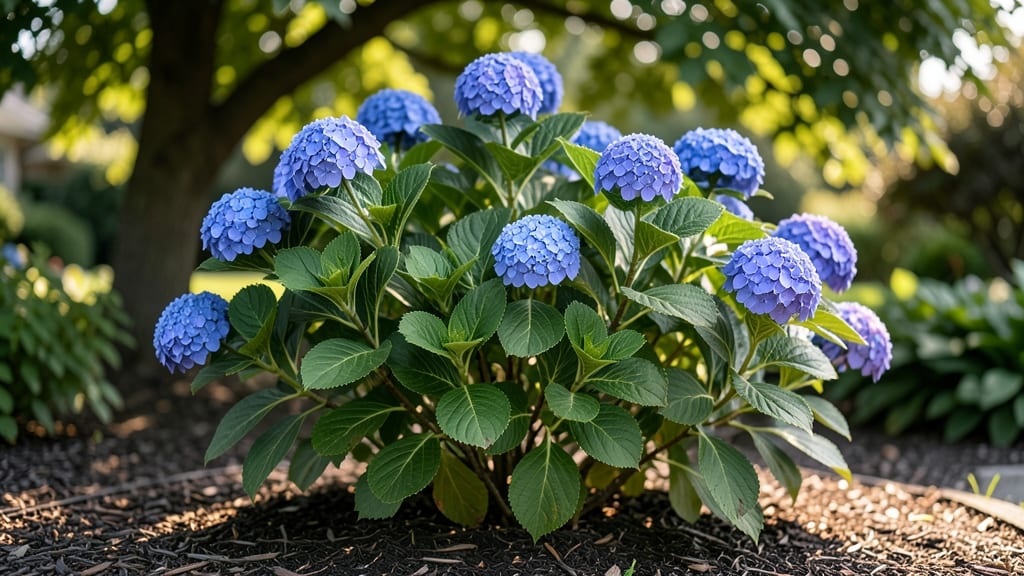
For Zone 8 gardens, shade-loving shrubs like hydrangeas, azaleas, and rhododendrons thrive in low-light conditions, offering vibrant colors and lush textures year-round. Opt for evergreens for consistent foliage or deciduous types for seasonal blooms.
Zone 8's warm climate and partial shade create perfect conditions for shrubs that prefer dappled light or full shade. 🌿 Many of these plants have evolved thicker leaves to conserve moisture—a key adaptation in humid climates.
I've found that ferns like Japanese painted fern and Ostrich fern excel in shadier spots, while inkberry holly offers glossy evergreen leaves that stay vibrant even in deep shade. The secret to success? Amending soil with organic matter to improve drainage, since many shade plants dislike soggy roots.
Don't overlook pieris for spring interest—they produce striking red buds before their white flowers appear. For summer shade, consider elephant ears, which thrive in moist, shady areas while adding dramatic foliage.
The key is matching your shrub's light needs to your garden's microclimates, whether that's the north side of a house or under tall trees.
💡 In This Article
- Why Shade-Tolerant Shrubs Excel in Zone 8 Climates
- Best Shade-Loving Shrubs for Zone 8 Gardens by Season
Why shade-tolerant shrubs excel in Zone 8 climates
Shade-loving shrubs in Zone 8 have evolved remarkable adaptations to thrive where sunlight is scarce. Their broad, leathery leaves—like those of Japanese holly or mountain laurel—contain thicker cuticles that reduce water loss, a critical advantage in Zone 8's often humid summers.
These leaves also have a higher chlorophyll content, allowing them to capture whatever light reaches them efficiently. 🌿 The trade-off? They typically grow slower than sun-loving plants, which is why they're perfect for controlled garden spaces where rapid growth isn't a priority.
Root systems play a crucial role too. Many shade-tolerant shrubs develop extensive, shallow root networks that spread horizontally to absorb moisture and nutrients from the topsoil layer. This adaptation helps them compete with tree roots for resources in forested understory conditions.
For example, inkberry holly roots can spread up to 10 feet wide while staying within the top 12 inches of soil, making it ideal for planting under large trees where deep roots can't penetrate.
The key is their ability to thrive in soil with 40-60% organic matter, which retains moisture while preventing compaction.
Zone 8's climate—with hot, humid summers and mild winters—presents unique challenges these shrubs overcome through specialized mechanisms. Many, like hydrangeas, have deciduous leaves that drop in winter, reducing water loss during dry periods, while evergreens such as boxwood have waxy coatings to prevent dehydration.
The humidity also means fewer pests target these plants, as dry conditions often attract more insects. However, the real secret is their tolerance for 60-80% shade, where they outcompete sun-loving plants that would otherwise struggle.
Consider the leaf structure of pieris, which has small, dark green leaves arranged in a spiral pattern. This arrangement maximizes light capture while minimizing water loss—a perfect balance for Zone 8's partial shade conditions.
The plant's ability to photosynthesize efficiently in low light makes it a standout choice for north-facing gardens. Meanwhile, elephant ears (Colocasia) thrive in moist, shady spots by developing large, arrow-shaped leaves that collect and channel light to their undersides, where most photosynthesis occurs.
Another fascinating adaptation is the root symbiosis many shade shrubs form with mycorrhizal fungi. These beneficial fungi extend the shrub's root system, helping it absorb water and nutrients more efficiently in dense, shaded soils.
For instance, rhododendrons rely heavily on this relationship to survive in acidic, nutrient-poor conditions common in wooded areas. The fungi provide phosphorus and nitrogen in exchange for carbohydrates from the shrub, creating a mutually beneficial partnership that enhances survival in low-light environments.
What most gardeners don't realize is how these adaptations translate into practical care. Shade shrubs typically require less frequent watering once established because their roots are shallow and spread wide, accessing moisture from larger soil volumes.
However, they still need well-draining soil to prevent root rot—a common issue in Zone 8's heavy clay soils. Amending with compost or pine bark fines improves aeration while retaining moisture, creating the ideal growing medium for these resilient plants. 💫