
Light Requirements
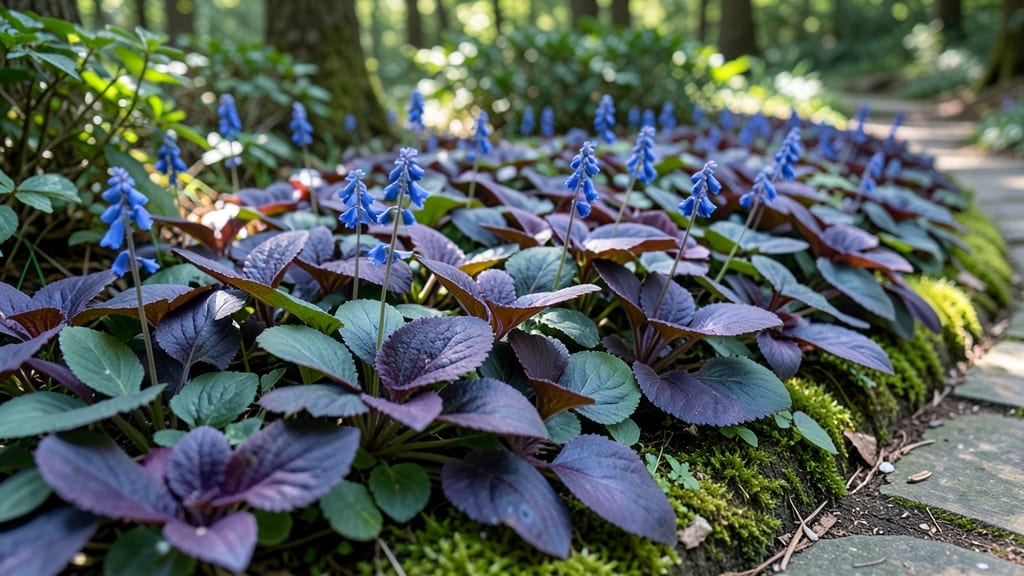
Struggling with bare spots under trees or shady corners where grass refuses to grow? These 10 shade-loving perennial ground covers deliver lush, low-maintenance coverage that thrives in dim light while adding texture and seasonal interest to your garden.
Hosta Varieties for Dense Shade Coverage

Transform your darkest garden corners into a lush, weed-free paradise with hosta varieties—the ultimate shade-loving ground cover. These massive-leaved perennials thrive where nothing else will, creating a dense carpet that chokes out weeds while offering foliage in every shade from deep blue-green to golden chartreuse.
Hostas handle deep shade conditions with ease, requiring only 2-4 hours of indirect light daily. Their slow-spreading rhizomes form a natural ground cover, and varieties like 'Blue Angel' or 'Francee' provide striking variegation. For maximum impact, pair them with ferns or astilbes to create layered texture. Mulch annually to retain moisture and prevent slug issues.
Perfect for beginners or busy gardeners, hostas demand minimal care while delivering year-round interest. Their bold foliage makes them a designer's secret weapon for shady borders, woodland gardens, or even container plantings. 🌿
Lungwort with Silver Spotted Leaves

Looking for a shade-loving perennial that adds visual intrigue while requiring almost no effort? Lungwort (Pulmonaria) with its striking silver-spotted leaves delivers both beauty and function—especially in moist, dimly lit areas where other plants struggle.
This hardy ground cover thrives in partial to full shade and tolerates a wide range of soil types, including clay or rocky ground. Its early spring blooms in soft blue or pink hues attract pollinators like bees and butterflies, while its self-seeding habit means it spreads naturally over time. The silver-spotted foliage provides year-round interest, fading to green as temperatures rise, and the plant remains evergreen in mild climates.
Perfect for woodland gardens, understory plantings, or as a low-maintenance alternative to lawn in shady spots, lungwort is ideal for gardeners who want pollinator-friendly coverage with minimal upkeep. 🌿
Sweet Woodruff for Fragrant Ground Cover

Want to transform your shady garden into a fragrant woodland retreat? Sweet woodruff (Galium odoratum) creates a living mulch with delicate white flowers and a sweet, vanilla-like scent that fills the air when foliage is brushed. This classic European native thrives in deep shade where other plants struggle, making it perfect for understory plantings or as a living ground cover.
Plant sweet woodruff in well-drained, moist but not soggy soil enriched with compost. Its low-growing habit spreads slowly to form dense mats that suppress weeds while releasing its signature fragrance—especially after rain. The tiny white flowers appear in late spring, followed by red berries that add winter interest. Unlike aggressive spreaders, it stays contained unless divided every few years.
Ideal for gardeners seeking a low-maintenance yet aromatic solution for shady spots, sweet woodruff pairs beautifully with hostas and ferns while creating a sensory experience you can enjoy from spring through fall. 💚
Bugleweed for Fast Spreading Cover

Tired of battling weeds in shady, hard-to-reach spots? Bugleweed (Ajuga reptans) is the heavyweight champion of fast-spreading ground covers, forming impenetrable green mats that outcompete weeds while requiring almost no care. This aggressive spreader thrives in both dry and moist shade, making it perfect for slopes, under trees, or along foundations where other plants struggle.
With its purple flower spikes in spring and striking foliage that ranges from deep green to bronze or variegated varieties, bugleweed adds seasonal color while suppressing weeds naturally. It tolerates foot traffic once established and even helps prevent erosion with its dense root system. Simply divide clumps every few years to control its spread—no chemicals or constant pulling required!
Ideal for urban gardeners or anyone with problem areas, bugleweed delivers instant coverage with minimal effort. 🌟
Coral Bells with Variegated Foliage

Want a shade garden that pops with color without relying on just foliage? Coral bells (Heuchera) with variegated leaves deliver a year-round foliage show in hues from chartreuse to deep purple, while their delicate blooms add seasonal interest from spring through fall.
These clump-forming perennials thrive in partial shade (3-6 hours of sun) and adapt to various soil types, making them ideal for containers or garden beds. Variegated varieties like 'Palace Purple' or 'Lime Rickey' create striking contrasts, while their airy flower spikes in shades of pink, white, or red attract pollinators. Prune spent blooms to encourage more foliage production, and divide clumps every 3-4 years to maintain vigor.
Perfect for urban gardeners with limited space or anyone wanting low-maintenance color, coral bells bring drama to shady spots while demanding minimal care. Their compact size and vibrant leaves make them a designer favorite for borders, rock gardens, or as focal points under trees. ✨
Foamflower for Early Spring Color

Brighten your garden's darkest corners with foamflower (Tiarella), a delicate yet hardy ground cover that bursts into bloom in early spring when most shade plants are still dormant. Its airy clusters of white flowers create a dreamy carpet under trees, offering a fleeting but stunning display before summer shade intensifies.
This shade-loving perennial thrives in partial to full shade and prefers well-drained, moist soil—ideal for woodland gardens or areas where other plants struggle. Its lobed leaves provide year-round interest, turning bronze in fall, while its spring blooms attract early pollinators like bees. Plant in clusters for maximum impact, and pair with hostas or ferns for layered texture.
Perfect for gardeners seeking early-season color with minimal effort, foamflower is especially valuable in areas where summer shade becomes too dense. It's a great choice for woodland gardeners or anyone looking to add a touch of elegance to shady spots. ✨
Alum Root for Drought-Tolerant Spread

Struggling to keep plants alive in dry, shady spots where even weeds won't grow? Alum root (Heuchera americana) is your secret weapon—a tough-as-nails native perennial that thrives in dry shade with almost no care. Unlike moisture-loving ground covers, this plant forms dense, weed-suppressing mats that stay lush even in drought conditions.
With its deep green, textured leaves and delicate white flower spikes in early summer, alum root attracts pollinators while keeping weeds at bay. It spreads slowly but steadily, making it perfect for problem areas under trees or along foundations where other plants fail. Simply plant in well-drained soil and let it grow—no fertilizing or frequent watering required!
Ideal for low-maintenance gardeners or those with dry, shady spots, alum root delivers year-round interest with minimal effort. It’s the ultimate solution for turning barren patches into thriving, pollinator-friendly ground cover. ✨
Sweet Woodruff Alternatives: Creeping Phlox

If you love the scent of sweet woodruff but want a showier spring display, creeping phlox (Phlox subulata) delivers with its fragrant purple or pink blooms that carpet shady areas in early spring. Unlike its aggressive cousins, this plant spreads slowly to form a neat, fragrant ground cover that thrives in partial to full shade while attracting bees and butterflies.
Plant creeping phlox in well-drained soil with morning sun or dappled shade—it handles dry conditions once established. Its moss-like foliage stays evergreen in mild winters, while spring blooms last 4-6 weeks. Shear back faded flowers to encourage dense growth, and divide clumps every 3-4 years to maintain vigor. The scent is strongest on warm spring mornings, making it a sensory highlight for gardeners who love early-season fragrance.
Perfect for rock gardens, woodland edges, or as a low-maintenance alternative to lawn in shady spots, creeping phlox offers year-round interest with minimal care. 🌻
Fern Varieties for Textured Shade Gardens

Need to add architectural drama to your shady garden without sacrificing year-round greenery? Fern varieties like Ostrich fern, Japanese painted fern, and maidenhair fern deliver lush, textured fronds that thrive where sunlight is scarce. Their delicate, feathery foliage creates movement and depth, transforming dull corners into vibrant focal points.
Most ferns prefer moist, well-drained soil and partial to full shade, making them perfect for woodland gardens, understory plantings, or container arrangements. Varieties like Autumn fern offer golden fall color, while Boston fern cascades beautifully from hanging baskets. To keep them thriving, mulch annually to retain moisture and divide clumps every 3-4 years to prevent overcrowding.
Ideal for gardeners who love low-maintenance elegance, ferns pair beautifully with hostas, lungwort, or coral bells for layered shade gardens. Their versatile textures elevate any design while requiring minimal care—just water occasionally and enjoy their lush presence year-round. 🌿
Ajuga for Colorful Ground Cover Options

Ready to add a bold splash of color to your shady garden without the fuss? Ajuga (Ajuga reptans) delivers purple, blue, or green foliage that spreads quickly while producing striking blue flower spikes in spring—making it perfect for edging pathways, filling gaps between shrubs, or creating a vibrant ground cover in mass plantings.
This versatile perennial thrives in partial to full shade and tolerates a wide range of soil types, from dry to moist. Its low-growing habit (6-12 inches tall) forms dense mats that suppress weeds naturally, while its spring blooms attract pollinators like bees. Varieties like 'Chocolate Chip' (bronze foliage) or 'Multicolor' (variegated leaves) add extra visual interest, and it even handles light foot traffic once established.
Ideal for urban gardeners, woodland enthusiasts, or anyone tired of bare spots, ajuga is a workhorse that delivers year-round color with almost no maintenance. Plant it along borders, under trees, or as a living mulch for a low-effort, high-impact solution. 🌻