
Plants
Transform your darkest garden corners into lush, vibrant spaces with these 10 shade-loving plants. Perfect for north-facing yards, these foliage stars thrive where sunlight struggles, offering year-round beauty and minimal maintenance.
Hostas for Textured Green Beauty

Tired of struggling to find plants that thrive in your shady spots? Hostas are the unsung heroes of shade gardens, offering bold textures and variegated patterns that outshine many sun-loving plants. Their broad, glossy leaves create a lush carpet that feels like a secret forest retreat right in your backyard.
These low-maintenance perennials prefer partial to full shade and tolerate a wide range of soil types, though they appreciate rich, moist conditions. Plant them in spring or fall for best results, spacing them 12-24 inches apart to allow their foliage to spread gracefully. Bonus: Hostas naturally deter deer and attract pollinators like bees and butterflies, making them a dual-purpose plant for both beauty and biodiversity.
Perfect for beginners or busy gardeners, hostas require minimal care beyond occasional watering and division every few years. Their striking foliage—ranging from deep blues to golden centers—adds drama to borders, woodland gardens, or even container plantings. 🌿
Ferns for Delicate Lacy Foliage

Skip the sun-starved look—ferns turn deep shade into a lush, tropical oasis with their intricate, feathery fronds. Unlike broad-leaved hostas, ferns create movement and texture, mimicking a rainforest understory even in your backyard.
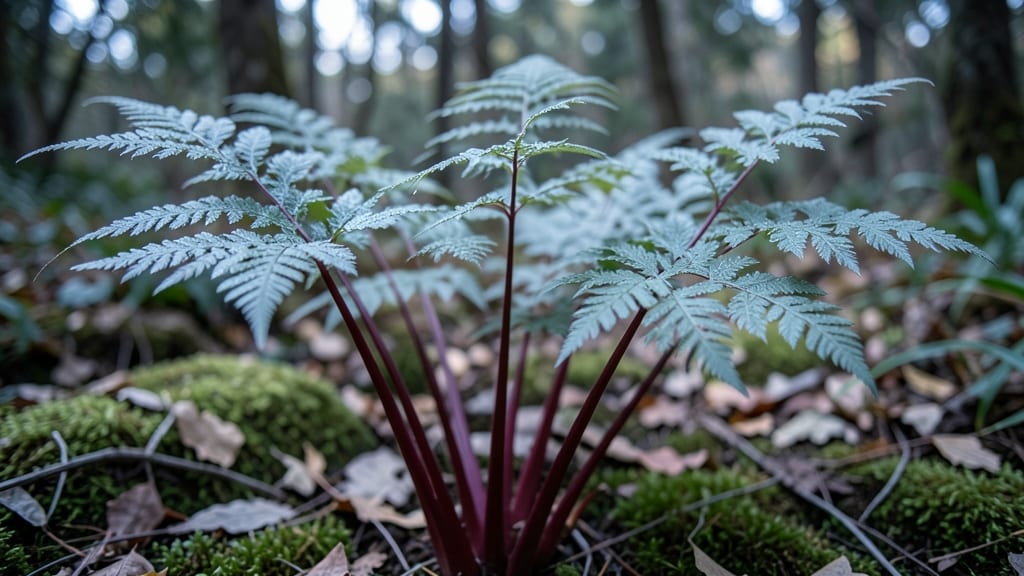
For maximum impact, choose Maidenhair ferns (delicate and silvery) or Japanese painted ferns (with burgundy stems for winter interest). They thrive in moist, well-draining soil—think mulched garden beds or containers with peat moss. Water consistently to keep soil damp but not soggy, and avoid harsh afternoon sun, which can scorch their tender fronds.
Perfect for urban gardeners with patios or beginners craving low-maintenance drama, ferns add vertical interest without needing pruning. Pair them with hostas or astilbes for a layered shade garden that feels like a secret garden. 🌿
Heucheras with Striking Leaf Colors

If you love bold colors but struggle with sun-starved garden spots, heucheras (coral bells) are your secret weapon. These perennials pack a punch with foliage in purple, silver, or lime green, thriving in partial shade where other plants might fade. Their compact size makes them perfect for borders, rock gardens, or even container plantings.
One of their biggest advantages is their drought tolerance—once established, they need very little water, making them ideal for busy gardeners. Plant them in well-draining soil and provide morning sun with afternoon shade for best results. The white or pink flowers that appear in late spring add a delicate contrast to their vibrant leaves.
Urban gardeners and small-space planners will love how heucheras fit into tight areas while adding year-round color. Their ability to thrive in partial shade makes them a standout choice for north-facing gardens. 💚
Astilbes for Airy Plume Flowers

Want to add drama to your shady garden without sacrificing beauty? Astilbes bring ethereal, feathery plumes in pink, white, or fiery red that dance on stems from late spring through summer. These shade-loving superstars thrive where others falter—especially in moist, well-drained soil, making them ideal for pond edges or under trees.
Plant them in partial to full shade and keep soil consistently moist (they love damp conditions but won’t tolerate soggy roots). Cut back foliage in early spring to make room for fresh growth, and watch as their arching plumes catch every breeze. Varieties like 'Fanal' (deep red) or 'Deutschland' (pink) add height and texture to borders or containers.
Perfect for gardeners with wet or boggy spots, astilbes also attract butterflies and hummingbirds. Their airy blooms create a romantic, almost whimsical feel—ideal for cottage gardens or woodland settings where sunlight is scarce. 🌻
Lungwort for Healing Variegated Leaves

Looking for a shade-loving plant that feels like a hidden treasure? Lungwort (Pulmonaria) delivers with its silver-spotted leaves that transform to green as spring progresses, plus delicate blue flowers that attract early-season pollinators like bees and butterflies. This understated perennial thrives where others struggle, making it a secret weapon for gardeners with moist, shady spots.
Plant lungwort in partial to full shade and keep soil consistently moist but well-draining—it’s perfect for woodland gardens, under trees, or near ponds. Its slow-spreading habit means it fills gaps naturally without becoming invasive, while its foliage stays attractive even when not in bloom. Varieties like 'Sissinghurst White' or 'Blue Mist' add contrast with their unique leaf patterns and soft blooms.
Ideal for gardeners who want low-maintenance beauty with ecological benefits, lungwort pairs well with ferns or hostas. Its ability to thrive in humid conditions makes it a standout choice for north-facing gardens or areas with poor drainage. 🌿
Bleeding Heart for Romantic Spring Blooms

Craving a touch of romance in your shade garden? Bleeding heart (Dicentra spectabilis) delivers cascading clusters of heart-shaped pink or white flowers that dangle like delicate chandeliers from early to mid-spring. This dreamy perennial transforms dull corners into whimsical woodland scenes, with its fern-like foliage providing year-round interest.
Plant bleeding heart in partial to full shade where it receives morning sun and afternoon shade, and amend the soil with compost to create its preferred rich, moist environment. The plants thrive in USDA zones 3-9 and prefer well-draining soil that stays consistently damp. For maximum impact, position them against dark green shrubs or along foundation plantings where their arching habit can be fully appreciated.
Perfect for cottage gardeners or anyone longing for a fairy-tale aesthetic, bleeding heart's seasonal blooms create a focal point that's impossible to ignore. Pair it with hostas or ferns for a layered, enchanting shade garden that feels like a secret retreat. 🌷
Caladiums for Tropical Leaf Patterns

Bring a touch of the tropics to your shady garden with caladiums, where their glossy, arrowhead-shaped leaves in pink, red, or white create bold visual statements. Unlike other shade plants, caladiums focus on foliage drama rather than flowers, making them perfect for adding instant color to deep shade spots that struggle with other plants.
These summer annuals thrive in humid climates and love rich, well-draining soil that stays consistently moist. Plant them in containers on patios or directly in garden beds after the last frost, pairing them with ferns or hostas for layered shade garden interest. Varieties like 'Flamingo' or 'White Queen' deliver vibrant patterns that brighten dark corners year after year.
Ideal for renters, urban gardeners, or anyone without space for perennials, caladiums offer seasonal excitement with minimal long-term commitment. Their tropical vibe makes them perfect for creating a lush, resort-like feel in shady spots where other plants might struggle. ✨
Hydrangeas for Bold Shade Blooms

Tired of shade gardens that feel dull and forgotten? Bigleaf hydrangeas turn partial shade into a showstopper with their massive, globe-shaped blooms in blue, pink, or white. Unlike sun-loving varieties, these shrubs thrive in dappled light, making them perfect for fences, trellises, or garden backdrops where sunlight is limited.
For vibrant blooms, plant in well-draining soil with consistent moisture—they love morning sun with afternoon shade. Prune in late winter or early spring to encourage larger flower clusters and shape the shrub. Varieties like 'Nikko Blue' or 'Endless Summer' offer season-long color, even reblooming in some climates. Mulch around the base to retain moisture and suppress weeds.
Ideal for gardeners who want low-maintenance drama, hydrangeas add height and texture to shady borders or containers. Their bold blooms create a stunning backdrop for smaller perennials, while their adaptability makes them a favorite for urban gardens, woodland edges, or foundation plantings. 💚
Sweet Woodruff for Ground Cover Fragrance

Step into a fragrant garden oasis with sweet woodruff, a charming perennial that transforms shady walkways into scented pathways. Its delicate star-shaped white flowers release a sweet hay-like aroma when crushed, creating an enchanting sensory experience that’s perfect for understory plantings or woodland garden edges.
This low-growing ground cover spreads quickly to suppress weeds naturally, making it ideal for areas where you want to reduce maintenance while adding beauty. Plant it in partial to full shade with moist, well-draining soil, and watch it form a lush carpet that stays green year-round. Its spring blooms attract pollinators, and its spreading habit makes it a great choice for filling gaps between shrubs or along garden borders.
Perfect for gardeners who love fragrant plants or want to create a serene, woodland-inspired space, sweet woodruff is a versatile addition that thrives with minimal care. 💚
Japanese Painted Fern for Year-Round Interest

Ready to add a plant that keeps your shade garden stunning in every season? The Japanese painted fern (Athyrium niponicum var. pictum) delivers year-round interest with its delicate, lacy fronds and striking burgundy stems that glow even in winter. Unlike many shade plants that fade into dormancy, this fern maintains its architectural beauty from spring through fall, with stems that turn coppery-red as temperatures drop.
This fern thrives in moist, acidic soil—ideal for woodland gardens, understory plantings, or containers filled with peat moss and compost. Plant it in partial to full shade where it receives dappled sunlight, and keep the soil consistently damp (but not waterlogged) for best results. Its slow-spreading habit makes it perfect for borders or as a focal point in shady garden beds, where its upright growth adds vertical interest.
Perfect for gardeners who want low-maintenance elegance with winter appeal, this fern pairs beautifully with hostas, lungwort, or sweet woodruff. Its ability to thrive in humid conditions makes it a standout choice for north-facing gardens or areas with poor drainage. 💚