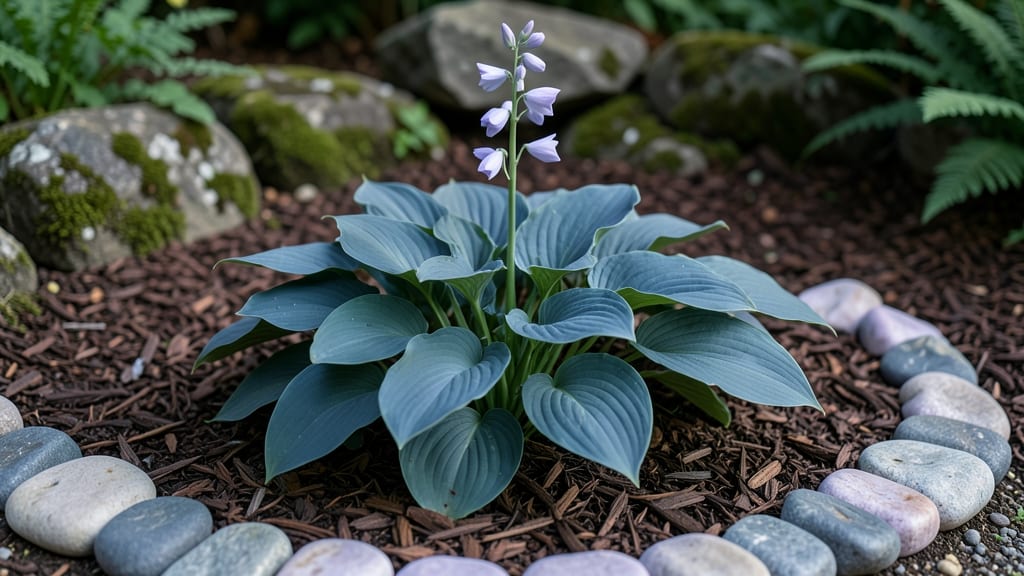
Transform your Zone 6 space with these shade garden ideas—layering the right plants creates vibrant, thriving pockets of life even in low-light areas.
Picture this: a lush, thriving garden where sunlight barely reaches, yet vibrant hostas, delicate ferns, and bold helebores create a tapestry of color and texture. The key? Selecting cold-hardy plants that flourish in deep shadows while still delivering year-round interest.
Zone 6’s climate demands resilience, but with the right perennials, shrubs, and ground covers, you can turn even the darkest corners into a serene retreat. Below, I’ll share my top plant picks, layout tricks, and soil secrets to make your shade garden the envy of the neighborhood.
Ready to transform that forgotten patch into a low-maintenance oasis? Let’s dive into the best shade-loving plants and design strategies tailored just for your Zone 6 yard.

Best Window Placement
Top 15 cold-hardy shade plants for Zone 6 that thrive in deep shadows
Creating a stunning shade garden in Zone 6 is absolutely achievable with the right cold-hardy plants. Deep shadows don’t mean dull colors or sparse foliage—quite the opposite! The key lies in selecting perennials, annuals, and ground covers that thrive in low-light conditions while adding texture, color, and year-round interest.
From hostas with their lush leaves to hellebores blooming early spring, these plants bring life to shady spots where others struggle.
When planning your shade garden ideas for Zone 6, focus on plants that tolerate partial to full shade (less than 4 hours of direct sunlight) and can handle Zone 6 winters.
Many of these plants also attract pollinators or provide seasonal interest, ensuring your garden stays vibrant all year. Let’s explore the top 15 cold-hardy shade plants that will transform your darkest corners into thriving oases.
| Plant Name |
Light Needs |
Mature Height |
Key Features |
Care Tips |
| Hostas (e.g., 'Halcyon', 'Francee') |
Partial to full shade |
1-3 ft |
Variegated/blue foliage, deer-resistant |
Water moderately; divide every 3-4 years |
| Hellebores (Lenten Rose) |
Partial to full shade |
1-2 ft |
Early spring blooms, evergreen |
Drought-tolerant; deadhead spent blooms |
| Astilbes (e.g., 'Fanal', 'Deutschland') |
Partial shade |
1.5-3 ft |
Feathery plumes, moisture-loving |
Keep soil moist; cut back in early spring |
| Ferns (e.g., Japanese Painted Fern, Maidenhair) |
Full to partial shade |
1-3 ft |
Delicate fronds, woodland garden staple |
Mulch to retain moisture; divide overcrowded clumps |
| Lungwort (Pulmonaria) |
Partial to full shade |
1-2 ft |
Spotted leaves, early spring blooms |
Tolerates dry shade; cut back after flowering |
| Coral Bells (Heuchera) |
Partial shade |
1-2 ft |
Stunning foliage colors, long bloom season |
Well-draining soil; deadhead spent flowers |
| Bleeding Heart (Dicentra spectabilis) |
Partial to full shade |
2-3 ft |
Heart-shaped flowers, spring bloomer |
Rich, moist soil; cut back after flowering |
| Sweet Woodruff (Galium odoratum) |
Full to partial shade |
6-12 in |
Fragrant foliage, ground cover |
Spreads easily; tolerates dry shade |
| Solomon's Seal (Polygonatum) |
Partial to full shade |
2-4 ft |
Arching stems, white bell flowers |
Moist, well-draining soil; divide every 4-5 years |
| Japanese Anemone (Anemone hupehensis) |
Partial shade |
3-5 ft |
Late summer blooms, delicate pink flowers |
Stake tall stems; cut back in spring |
| Bugbane (Actaea simplex) |
Partial to full shade |
2-4 ft |
White spiky flowers, deer-resistant |
Rich, moist soil; divide every
Layering techniques for a stunning shade garden layout in Zone 6
A shade garden in Zone 6 thrives on strategic layering—combining plants of varying heights to create depth and visual interest. Start with a tall backbone like Japanese maples or tall ferns to anchor the space. These plants draw the eye upward and provide structure for your design.
Next, add mid-height shrubs such as hydrangeas or boxwoods to fill the middle layer. These create a lush, textured backdrop that softens the transition between tall and low-growing plants. Choose varieties with foliage contrast—like variegated leaves—to add color even in low light.
Here’s how to layer your shade garden effectively:
1
Tall Layer (4-6 ft): Use evergreen trees like pine or hemlock for year-round structure. Deciduous options include Japanese maples or tree ferns for seasonal interest.
2
Mid-Layer (2-4 ft): Incorporate shrubs like hydrangeas, azaleas, or boxwoods. Add ornamental grasses such as Hakonechloa for movement and texture.
3
Low Layer (0-2 ft): Use ground covers like ajuga, heuchera, or foamflower to spill over edges. Add bulbs such as trilliums or bleeding hearts for spring bursts of color.
4
Hardscaping: Integrate mulch (shredded bark or wood chips) to retain moisture and suppress weeds. Add stepping stones or gravel paths to define spaces and add texture contrast.
Don’t overlook the power of foliage variety—mix glossy leaves with fuzzy textures and variegated patterns to keep your garden dynamic. For example, pair hostas with cortex bark plants like Fatsia japonica for a striking contrast.
Seasonal interest is key in Zone 6 shade gardens. Plant early bloomers like helebores (winter/spring) alongside summer-flowering astilbes and fall foliage shrubs such as smoke bush. This ensures your garden stays vibrant year-round.
Finally, group plants with similar water needs to simplify maintenance. Place moisture-loving ferns and hostas near drip irrigation or shaded areas where soil stays damp. For drier spots, opt for drought-tolerant options like sedum or sempervivum.
With these layering techniques, your shade garden will feel lush, intentional, and full of life—no matter how little sunlight it receives! 🌿
★★★★★4.9(9 reviews)
|