
Flowers
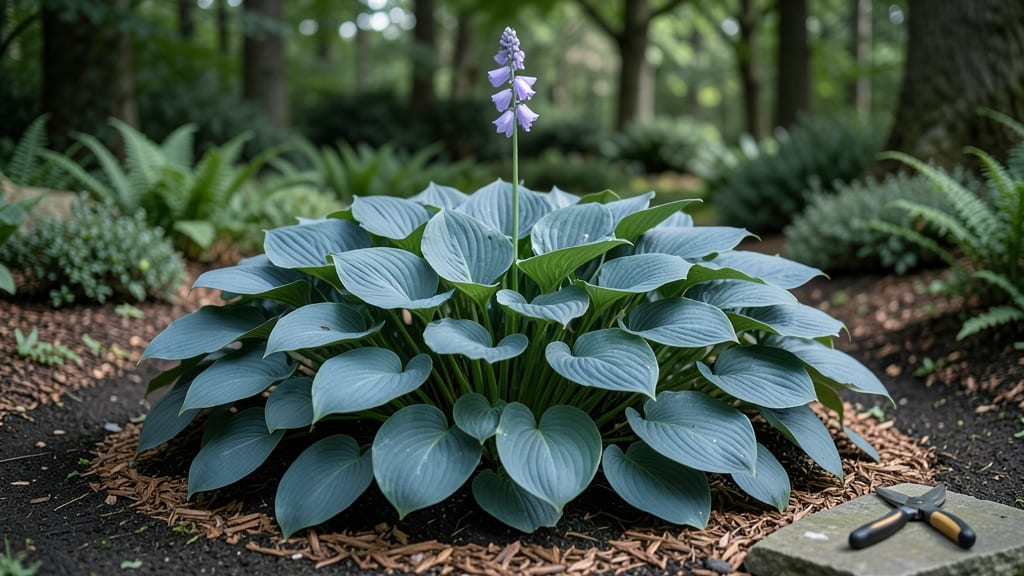
Shade-friendly flowers turn dark corners into vibrant focal points without extra effort. 🌿 I’ve transformed my own shady garden beds—once dull and forgotten—into lush displays that bloom reliably year after year, even where sunlight barely reaches.
The secret lies in selecting plants that thrive in low to no light, like impatiens, hostas, and ferns, which demand little more than consistent moisture and rich soil.
These flowers aren’t just hardy; they’re design stars. Tall blooms like astilbes add height, while trailing fuchsias spill over edges, creating layers that catch the eye.
My go-to combo includes impatiens for bold color, heucheras for striking foliage, and bleeding hearts for delicate charm—all of which flourish under tree canopies or against north-facing walls where sunstruck plants would struggle.
By the end of summer, you’ll have a low-maintenance garden that feels alive with color, even in the shadiest spots. The best part? These plants outperform sun-loving varieties in shaded areas, offering longer bloom times and fewer pests.
No more sacrificing beauty for practicality—just effortless elegance that keeps giving all season.
Whether you’re filling gaps under mature trees or brightening a shady patio, this approach works for any space. The key is matching the right plants to your light conditions—something I’ll walk you through step by step to ensure your garden thrives, no matter how little sun it gets.
📚 In This Guide
- What you need
- Instructions
- Tips and common mistakes
- Wrapping up and next steps
What you need
- ● Shade-tolerant flower seeds or plants: 5–10 Impatiens (seeds or young plants)
- ● 3–5 Fuchsia (potted plants, 4"–6" pots)
- ● 2–3 Hosta (small tubers or plants, 6"–8" pots)
- ● 1 Astilbe (potted plant, 4"–6" pots)
- ● 1 Bleeding Heart (bare-root or potted plant)
- ● Garden soil or potting mix: 1–2 bags (1 cubic foot each) of well-draining, organic-rich soil (e.g., Miracle-Gro Garden Soil or FoxFarm Ocean Forest)
- ● Containers or garden bed: 5–10 hanging baskets (8"–10" diameter, with drainage holes) or
- ● 1–2 raised garden beds (12"–18" deep, with drainage) or
- ● Direct planting space in a shady garden area (partial to full shade, 4+ hours of dappled light)
- ● Watering can or hose with gentle spray nozzle
- ○ Mulch (optional but recommended): 1 bag of shredded bark or pine straw (for moisture retention)
- ● Hand trowel or small shovel (for transplanting)
- ● Gloves (to protect your hands)
- ● Pruning shears (for trimming dead foliage)
- ● Slow-release fertilizer (e.g., Osmocote Smart-Release Flower & Vegetable Food, 1 lb)
- ○ Landscape fabric (optional) (to suppress weeds in garden beds)
- ○ Stakes or supports (optional) (for vining plants like Clematis or Fuchsia)
- ● A shady location with 4+ hours of indirect light daily (e.g., under trees, north-facing walls, or covered patios).
- ● Access to water (shade plants need consistent moisture but hate soggy roots).
- ● Patience! Some shade flowers (like Hosta) take 1–2 seasons to fully establish.
Step-by-step instructions for designing a thriving shade garden
Here’s how to create a vibrant shade garden that blooms reliably with minimal fuss.
🌱 Step 1: Choose the Right Shade-Tolerant Flowers
Select plants that thrive in low to no direct sunlight, like impatiens, ferns, astilbes, and hostas. I always opt for 4-6 varieties to ensure continuous blooms—some may flower in spring, others in summer or fall. Check the light requirements on plant tags, as even shade gardens have varying light levels (full shade vs. partial shade).
Group plants by their sunlight needs—place the most shade-tolerant varieties (like heucheras) in the darkest spots and those needing dappled light (like caladiums) slightly closer to the garden’s edge. This prevents competition and ensures every plant thrives. I like to sketch a rough layout first to visualize the flow.
🪴 Step 2: Prepare the Soil for Moisture Retention
Shade gardens need well-draining yet moisture-retentive soil—amend your existing soil with 2-3 inches of compost or pearlite to improve aeration and water retention. I avoid heavy garden soil, which can compact and suffocate roots. Test the soil’s moisture by squeezing a handful—it should hold together but not feel soggy.
For containers, use a lightweight potting mix blended with orchid bark or coconut coir to mimic the airy, moisture-loving conditions of woodland gardens. Water the mix thoroughly before planting to settle it and eliminate air pockets. This step is critical—poor soil prep leads to weak stems and sparse blooms.
☀️ Step 3: Plant with Layered Depth and Spacing
Arrange plants in three tiers: tall bloomers (like foxgloves) at the back, mid-height foliage (like hostas), and low-spreading ground covers (like ajugas) in front. Space plants 12-18 inches apart to allow airflow and prevent fungal diseases, which thrive in damp shade. I dig holes twice as wide as the root ball to encourage root spread.
Plant in early spring or fall when temperatures are mild—avoid summer heat, which stresses shade plants. Water deeply after planting to eliminate air gaps around roots. Mulch with 2-3 inches of shredded bark to retain moisture and suppress weeds. The mulch should look evenly spread, not clumpy.
💧 Step 4: Water Consistently Without Overdoing It
Shade gardens stay moist longer, but drought can still stress plants. Water deeply 2-3 times per week (or daily in extreme heat) until the top 2 inches of soil feel damp. I use a soaker hose to deliver water slowly at the base—this prevents leaf diseases caused by overhead watering.
Check soil moisture by lifting a plant gently; if the soil clings lightly, it’s hydrated enough. Overwatering is just as harmful as underwatering—roots need oxygen, not a soggy environment. Adjust your watering as the season changes; shade gardens dry out faster in summer.
✂️ Step 5: Prune and Fertilize for Continuous Blooms
Deadhead spent blooms weekly to encourage new flowers, especially on impatiens and begonias. Use clean, sharp scissors to cut stems just above a leaf node—this prevents disease entry points. I also trim leggy growth in early spring to promote bushier, fuller plants.
Fertilize every 4-6 weeks with a balanced, slow-release fertilizer (10-10-10). Too much nitrogen leads to lush foliage but few blooms—shade plants need phosphorus and potassium for vibrant flowers. Apply fertilizer in early morning to avoid burning tender leaves in afternoon heat.
Tips & tricks for perfect shade-friendly flower arrangements
Creating a thriving shade garden takes thoughtful planning—and these insights will help you avoid common pitfalls while maximizing your garden's potential.
Plant Selection Strategy: When choosing your 4-6 varieties, prioritize plants with staggered bloom times. For example, pair early spring bloomers like hellebores with summer favorites like impatiens and fall interest plants like Japanese anemones. This ensures you'll have color throughout the entire growing season, not just peak periods. I've found that mixing foliage plants like hostas with flowering varieties creates visual interest even when some plants aren't in bloom.
Soil Preparation Secret: The 2-3 inches of compost or perlite recommendation is non-negotiable for shade gardens. I've learned the hard way that heavy clay soil suffocates roots in low-light conditions. For containers, blend your lightweight potting mix with orchid bark or coconut coir—this creates the perfect airy, moisture-retentive environment. Pro tip: Mix in a handful of worm castings for an extra nutrient boost without risking over-fertilization.
Layering Technique: When arranging your three-tiered design, think vertically first. The tallest plants (foxgloves, astilbes) should go at the back, but don't just place them randomly—space them so their foliage frames the view of your garden. Mid-height plants like hostas create the "meat" of your design, while ground covers like ajugas tie everything together. I like to step back frequently during planting to check the overall balance from different angles.
Watering Wisdom: That 2-3 times weekly watering guideline becomes more critical in shade gardens because moisture evaporates more slowly. I've developed a simple test: after watering, stick your finger 2 inches into the soil. If it feels dry, water again. The key is maintaining consistent moisture without creating soggy conditions. In extreme heat, I increase to daily watering but always check soil moisture first—overwatering is just as damaging as underwatering in shade gardens.
Pro Tips for Shade Friendly Flowers
- Creating a thriving shade garden takes thoughtful planning—and these insights will help you avoid common pitfalls whi...
- Plant Selection Strategy: When choosing your 4-6 varieties, prioritize plants with staggered bloom times. For example...
- Soil Preparation Secret: The 2-3 inches of compost or perlite recommendation is non-negotiable for shade gardens. I'v...
Frequently asked questions
Got questions about growing shade-friendly flowers? You’re not alone! Here are some of the most common queries—and their easy answers—to help you create a thriving, low-light garden oasis.
What are the easiest shade-friendly flowers for beginners?
Start with impatiens, fuchsias, or hostas—they’re hardy, fast-growing, and forgiving. For bold colors, try coleus or heuchera. These picks tolerate low light and minimal fuss, making them perfect for new gardeners!
How long does it take for shade flowers to bloom?
Most shade-friendly flowers bloom within 6–12 weeks after planting, but some like heuchera or astilbe may take a little longer. Patience pays off—once established, they’ll reward you with months of color!
Do shade flowers need extra watering?
Yes! Shade can slow evaporation, but the soil stays damp longer. Water deeply 1–2 times per week (more in extreme heat). Mulch helps retain moisture—just avoid piling it against stems to prevent rot.
Can I grow shade flowers in containers?
Use well-draining pots (10+ inches deep) with a mix of potting soil and compost. Begonias, caladiums, and lobelia thrive in containers. Just ensure they get at least 4–6 hours of indirect light daily.
How do I keep pests away from my shade flowers?
Shade gardens attract fewer pests, but aphids or slugs may still visit. Spray plants with neem oil or use copper barriers for slugs. Encourage beneficial insects like ladybugs—they’re natural pest controllers!
Wrapping up and next steps
Transforming your shady spots into vibrant, low-maintenance gardens is easier than you think! 🌿 With the right shade-friendly flowers, you can bring life and color to even the darkest corners of your yard.
These hardy blooms not only thrive with minimal sunlight but also require little fuss—perfect for busy gardeners or beginners eager to see results.
Now that you’re armed with the best picks and tips, it’s time to roll up your sleeves and get planting! Start small—perhaps with a single container or a corner of your garden—and watch your shade sanctuary bloom. Happy gardening! 🌸