
Light Requirements
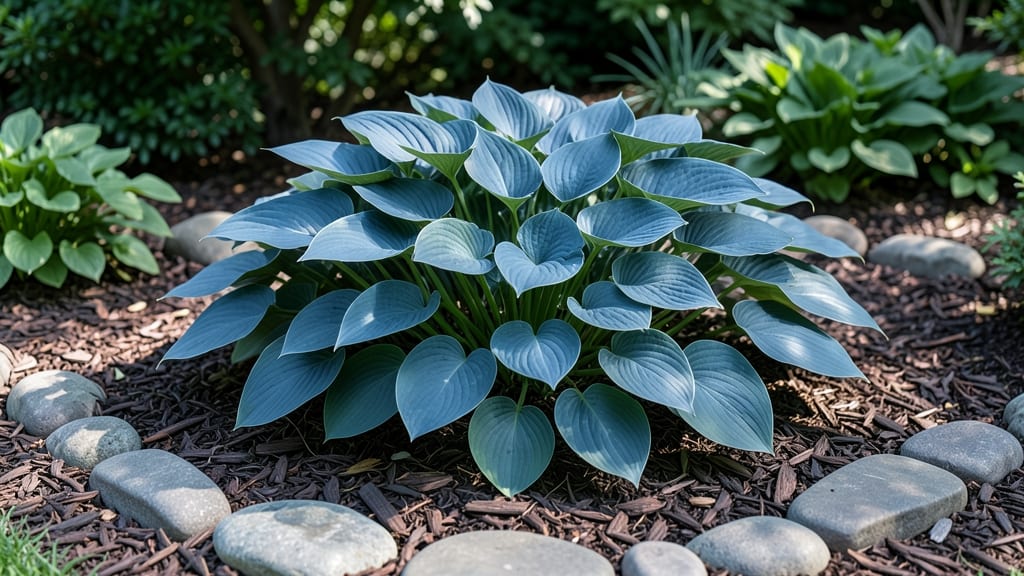
Shade in the garden isn’t a limitation—it’s a canvas for bold, dramatic foliage that thrives where others fail. 🌿 I’ve transformed my shady backyard into a lush retreat using plants that practically glow in low light, like hostas with chartreuse centers or the deep burgundy of coral bells.
The key? Matching plant needs to your shade type—dappled, partial, or deep—so you end up with a garden that feels alive, not abandoned.
Start with structural layers: a tall fern or aralia at the back, mid-height heucheras for texture, and creeping jenny spilling over edges. Add a pergola or trellis to filter light and create cozy nooks where you can relax without squinting.
My favorite trick? Planting silver-leaved plants like lamb’s ear—they reflect light and make dark corners feel brighter instantly. Even in deep shade, the right combo makes the space feel intentional, not neglected.
You’ll end up with a garden that’s cool, lush, and full of surprises—think velvety leaves, unexpected blooms, and a sense of tranquility that sun-drenched spaces can’t match. The best part? These plants are low-maintenance once established, so you get beauty without the fuss.
Perfect for cutting down on summer heat, creating privacy, or simply enjoying a garden that feels like a secret escape.
Works for any yard—whether you’ve got a north-facing plot, a tree-dappled lawn, or a shady patio. Here’s how to start layering your shade garden like a pro.
📚 In This Guide
- What you need
- Instructions
- Tips and common mistakes
- Wrapping up and next steps
What you need
- ● Shade-tolerant plants: 3–5 varieties (e.g., hostas, ferns, astilbes, or heucheras) – pick 3–5 mature plants or seedlings.
- ● Mulch: 2–3 bags (2–3 cubic feet each) – organic options like shredded bark or pine straw work best.
- ● Compost or slow-release fertilizer: 1–2 bags – look for balanced (10-10-10) or organic options.
- ● Soil amendments (if needed): 1 bag of peat moss or perlite – for improving drainage in heavy clay.
- ● Garden gloves – 1 pair (heavy-duty for digging).
- ● Trowel or hand shovel – for transplanting and amending soil.
- ● Pruners – bypass pruners for clean cuts.
- ● Watering can or hose with a gentle spray nozzle – for deep, even watering.
- ● Measuring tape – to plan spacing (18–36 inches apart for most shade plants).
- ● Shade cloth (30–50%) – for transition zones or young plants.
- ● Decorative stones or edging – to define garden beds.
- ● Drip irrigation system – for low-maintenance watering.
- ● Garden stakes or labels – to track plant names and care needs.
How to design a stunning shade garden with bold foliage
Here's my go-to approach for creating a vibrant, low-maintenance shade garden that steals the show.
🌿 Step 1: Assess Your Shade Conditions
First, identify your specific shade level—this determines which plants will thrive. Walk through your space at different times of day to note how much direct sunlight reaches each area. Full shade (less than 2 hours of sun) suits ferns, hostas, and astilbes, while partial shade (4-6 hours of sun) accommodates impatiens, caladiums, and heucheras.
Pay attention to seasonal changes—what's shaded in summer may get morning sun in winter. I always mark my garden with stakes to track light patterns for a month before planting. This ensures I choose plants that match the actual conditions, not just my initial observations.
☀️ Step 2: Select Plants for Texture and Color Contrast
Shade gardens shine with foliage variety—mix leaf shapes, sizes, and colors for maximum impact. I start with 3-4 anchor plants (like a large hosta or fern) and layer in mid-height fillers (heucheras, astilbes) and trailing plants (like sweet woodruff or ajuga) for dimension. For color, pair deep purples (heuchera 'Palace Purple') with silvery blues (lamium) and chartreuse (hosta 'Francee').
Don't overlook variegated foliage—plants like Hosta 'Guacamole' or Astilbe 'Fanal' add instant visual interest. I always include at least one plant with unusual leaf texture (like the fuzzy lamb's ears or the corrugated leaves of Hosta 'Blue Angel') to create tactile contrast.
🪴 Step 3: Prepare the Soil for Moisture-Retentive Growth
Shade plants typically prefer rich, well-draining soil that stays moist but never soggy. Amend your existing soil with 2-3 inches of compost and a handful of peat moss or coconut coir to improve moisture retention. For heavy clay soils, mix in 1 part perlite to 3 parts soil to prevent compaction.
I always test soil pH before planting—most shade-loving plants prefer slightly acidic to neutral (6.0-7.0). If your soil is too alkaline, add sulfur or pine needles to lower the pH gradually. Mulch heavily (2-3 inches) with shredded bark or wood chips to conserve moisture and suppress weeds—this is non-negotiable for shade gardens.
💧 Step 4: Plant with Proper Spacing for Airflow
Shade plants often grow slowly, so give them room to expand. Check each plant's mature size on the tag and space accordingly—most perennials need 12-24 inches between plants, while larger shrubs like hydrangeas require 3-5 feet. Crowding leads to fungal issues and weak growth, especially in humid shade.
Dig holes twice as wide as the root ball but only as deep. Place plants at the same depth they were in their containers—burying the crown too deep suffocates roots, while planting too shallow exposes them to drying out. Water each plant deeply after placing it in the hole to settle the soil around the roots.
✂️ Step 5: Maintain with Strategic Pruning and Seasonal Care
Shade gardens need minimal pruning, but I always remove dead or yellowing leaves in early spring to prevent disease. For plants like hostas, I cut back brown foliage to the ground in late fall, but leave healthy leaves over winter for insulation. Divide crowded perennials every 3-4 years in early spring or fall to maintain vigor.
Fertilize lightly in spring with a balanced, slow-release fertilizer (10-10-10) or compost. Over-fertilizing shade plants causes weak, floppy growth. Water deeply 1-2 times per week during dry spells, aiming for 1 inch of water per week. Drip irrigation works best—it delivers moisture at soil level where plants need it most.
Tips & tricks for perfect shade garden design
Creating a thriving shade garden isn't just about planting—it's about strategic choices that make all the difference. Here's how to elevate your deep-shadow space from ordinary to extraordinary.
Light Mapping is Everything: The 2-hour and 4-6-hour sunlight distinctions from Step 1 are your foundation. I recommend using a simple light meter app to track exact conditions for a week before planting—this reveals microclimates your eyes might miss. For example, that north-facing corner might get 1.5 hours of morning sun, making it perfect for ferns but too much for hostas.
Layering with Purpose: When selecting your 3-4 anchor plants in Step 2, choose varieties with different bloom times. I pair early bloomers like Hellebore with late-season astilbes to ensure year-round interest. Pro tip: Place taller plants toward the back and shorter varieties in front—this creates natural depth without needing a fence or trellis.
Soil Science Matters: The 2-3 inches of compost recommendation in Step 3 is non-negotiable, but here's the secret: mix in 1 cup of worm castings per plant hole. These contain beneficial microbes that help roots absorb moisture more efficiently—critical for shade plants that rely on consistent dampness. For clay-heavy soils, I add 1 part perlite to every 3 parts soil to prevent compaction that suffocates roots.
Planting Precision: In Step 4, when digging holes twice as wide as the root ball, use a garden fork to loosen the sides of the hole. This creates channels for roots to spread into surrounding soil immediately. I also make a small mound of amended soil in the center of the hole—this prevents the crown from sitting in soggy soil once watered.
Pro Tips for Shade For The Garden
- Creating a thriving shade garden isn't just about planting—it's about strategic choices that make all the difference....
- Light Mapping is Everything: The 2-hour and 4-6-hour sunlight distinctions from Step 1 are your foundation. I recomme...
- Layering with Purpose: When selecting your 3-4 anchor plants in Step 2, choose varieties with different bloom times. ...
Frequently asked questions
Got questions about creating shade-friendly garden spaces?
Here are some of the most common concerns—and straightforward answers—to help you design with confidence.
What are the best shade-loving plants for deep shadows?
Deep shade (less than 2 hours of sunlight) calls for tough, low-light champions like Hosta, Ferns, Hellebores, and Astilbe. For bold foliage, try Japanese Painted Fern or Coral Bells (Heuchera). Pair them with Lungwort or Bleeding Heart for texture and color.
When is the best time to plant shade-loving plants?
Fall (September–November) is ideal—cool temps reduce stress, and plants establish roots before winter. Spring (March–April) works too, but avoid extreme heat. For container plants, you can add them anytime, but water consistently the first few weeks to help them adjust.
Can I use artificial shade cloth instead of natural shade?
Shade cloth (30–50% block) mimics natural dappled light and is perfect for containers or small gardens. Just ensure proper airflow to prevent fungal issues. For deep shade, combine cloth with reflective surfaces (like mirrors or white walls) to bounce extra light onto plants.
Why are my shade plants wilting even though they’re in the shade?
Overwatering or poor drainage are common culprits. Check soil moisture—shade plants often need less water than sun-lovers. Ensure pots have drainage holes, and mulch (2–3 inches) to retain moisture. If leaves yellow, it could signal root rot; adjust watering and improve airflow.
How do I layer shade plants for a lush, full garden?
Start with tall plants (like Fatsia or Aralia) at the back, mid-height foliage (Heuchera, Lamium) in the middle, and ground covers (Sweet Woodruff, Liriope) in front. Add trailing plants (e.g., Creeping Jenny) for soft edges. Vary textures and colors for depth!
Wrapping up and next steps
Transforming your shady garden into a lush, vibrant space is easier—and more rewarding—than you think! 🌿 Whether you’re working with deep shadows or dappled light, the right bold foliage plants can turn your garden into a thriving oasis. Remember: shade isn’t a limitation—it’s an opportunity to create something uniquely stunning.
Ready to dive in? Start by sketching your garden’s light patterns, then pick 2-3 plants from our list to test the waters. Before you know it, your shade garden will be the envy of the neighborhood! 🌱