
Flowers
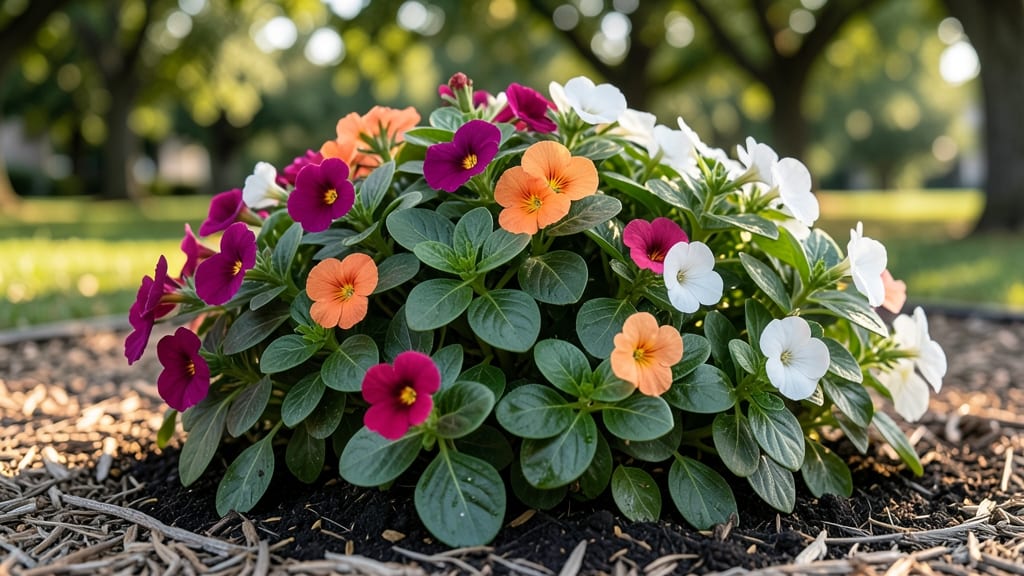
Florida’s shade gardens can burst with color—shade-loving flowers thrive where others fail, turning dark corners into lush, fragrant havens. 🌿 I’ve tested dozens of varieties, and these natives and adaptives deliver bold blooms from spring through fall, even under palm fronds and dense foliage.
The key? Choosing plants that handle Florida’s heat, humidity, and occasional drought while loving filtered light.
Think impatiens for cascading color, caladiums for dramatic foliage, and blue daze (a Florida favorite) for pollinator-friendly blooms. These work in containers, borders, or under trees, and most need minimal fuss—just rich, moist soil and occasional pruning.
My go-to combo? White begonia (for texture), red canna lilies (for height), and purple heart (for ground cover).
You’ll end up with a garden that feels alive year-round—vibrant blooms in June, lush greenery in August, and even winter interest from evergreen foliage. The best part?
These plants outperform store-bought annuals, lasting for years with proper care. They also attract butterflies and hummingbirds, turning your shade spot into a wildlife magnet.
Works for patios, woodland edges, or even urban courtyards—just adjust spacing for your space. Here’s how to pick the perfect palette for your light conditions and style.
📚 In This Guide
- What you need
- Instructions
- Tips and common mistakes
- Wrapping up and next steps
What you need
- ● Shade-tolerant flower seeds or plants: 10–20 Impatiens (annual, thrives in deep shade)
- ● 5–10 Caladiums (tropical, loves humidity)
- ● 3–5 Ferns (e.g., Osmunda cinnamomea, for texture)
- ● 2–3 Hosta varieties (perennial, low-light star)
- ● 1–2 Begonias (annual, blooms in partial shade)
- ● High-quality potting soil or garden soil: 5–10 bags (look for peat-based or compost-enriched mixes for Florida’s clay-heavy soil).
- ● Mulch: 2–3 bags of pine bark or shredded leaves (retains moisture and regulates temperature).
- ● Garden gloves (1 pair, heavy-duty for Florida’s soil)
- ● Trowel or hand shovel (for planting and soil prep)
- ● Pruners (sharp, for trimming dead foliage)
- ● Watering can or hose with a gentle spray nozzle (shade plants need consistent moisture!)
- ○ Optional: Slow-release fertilizer (e.g., Osmoote or Miracle-Gro Shade)
- ● Decorative garden stones or edging (for a polished look)
- ● Shade cloth (if your area gets partial sun)
- ● A shady spot (dappled light to full shade, <6 hours of direct sun daily).
- ● Well-draining soil (amend with compost if your soil is heavy clay).
- ● Access to water (shade plants must stay moist—Florida’s heat is no joke!).
- ● Pro tip: 💡 Test your soil’s pH (ideal range: 5.5–6.5 for most shade flowers).
How to create a thriving Florida shade garden
Here’s how to transform deep shadows into a vibrant, low-maintenance garden that blooms year-round.
🌱 Step 1: Choose the Right Shade-Tolerant Varieties
Florida’s humidity and filtered light demand plants that thrive without direct sun. I focus on impatiens, ferns, caladiums, and begonias—these handle moisture and partial shade beautifully. Impatiens, in particular, bloom nonstop from spring to frost, while ferns like Boston fern add lush texture.
For year-round color, mix in hellebores (winter blooms) and coleus (summer foliage). Check each plant’s label for light requirements—some tolerate deep shade (under 2 hours of sun), while others need partial shade (3-6 hours). I always group them by sunlight needs to avoid competition.
🪴 Step 2: Prepare the Soil for Moisture Retention
Shade gardens stay damp longer, so soil must drain well but hold moisture. Amend native Florida soil with 2-3 inches of organic compost and a thin layer of pine bark fines (1-2 inches) to improve aeration. I avoid heavy mulches like wood chips, which can smother roots in humid climates.
Test drainage by digging a 6-inch hole, filling it with water, and timing how long it takes to drain. If it holds water past 30 minutes, add sand or perlite to lighten the mix. Florida’s clay soils often compact, so I loosen the top 12 inches with a broadfork before planting.
☀️ Step 3: Plant in Layers for Depth and Year-Round Interest
Start with tall plants (like canna lilies) at the back, then add medium-height bloomers (impatiens, begonias), and fill gaps with ground covers (like sweet potato vine). Space plants 12-18 inches apart—closer for foliage plants, wider for those with large blooms.
Dig holes twice as wide as the root ball to encourage root spread. Water each plant deeply before backfilling, then press soil gently to remove air pockets. I plant in early spring or fall to avoid Florida’s brutal summer heat, which stresses shade plants if they’re not established.
💧 Step 4: Water Deeply but Strategically
Shade gardens need consistent moisture, but overwatering leads to root rot. I water early in the morning (before 9 AM) to reduce fungal diseases. Aim for 1 inch of water weekly, but check soil—if the top 2 inches feel dry, it’s time to water again.
Mulch with 2-3 inches of cypress mulch (not pine bark, which acidifies soil) to retain moisture and suppress weeds. Mulch also keeps roots cool in summer. Avoid wetting leaves when watering—this promotes powdery mildew, especially on begonias and impatiens.
✂️ Step 5: Prune and Fertilize for Continuous Blooms
Deadhead spent blooms on impatiens and begonias to encourage more flowers. For ferns and caladiums, trim yellowed fronds in late winter to make room for new growth. I fertilize lightly every 4-6 weeks with a balanced 10-10-10 formula, cutting back to half-strength in summer to avoid burning roots.
In fall, add a slow-release fertilizer (like 13-4-5) to help plants store nutrients for winter. Florida’s mild winters mean many shade plants stay green year-round, so I avoid heavy pruning until early spring, when new growth signals the season’s start.
Tips & tricks for perfect Florida shade gardens
Creating a lush, vibrant shade garden in Florida doesn't have to be a guessing game—these insights will help you avoid common pitfalls and maximize your garden's potential.
Plant Selection Strategy: When choosing between deep shade (under 2 hours of sun) and partial shade (3-6 hours), observe your garden throughout the day. I've found that impatiens and ferns thrive in the deepest shadows, while begonias and coleus handle a bit more light. Group plants by their sunlight needs to create microclimates that prevent competition for resources. This layering approach not only looks stunning but also ensures each plant gets exactly what it needs to flourish.
Soil Preparation Hack: Florida's native clay soil can be challenging to work with, but the 6-inch drainage test is your secret weapon. After digging that hole and timing the drainage, I always add a handful of perlite to the backfill mix for every plant. This creates tiny air pockets that improve root health without altering the soil's moisture-retaining properties. The key is to work this amendment into the top 12 inches—this is where most roots will establish themselves.
Layering Technique: The 12-18 inch spacing recommendation isn't arbitrary—it's based on how these plants naturally grow and compete. For the ground cover layer, I often use sweet potato vine because it spreads aggressively, but I plant it 12 inches apart to give it room to establish before it starts filling in. The medium-height bloomers (like impatiens) get 15-18 inches of space, while taller plants like canna lilies get 18-24 inches. This creates that beautiful tiered effect while preventing overcrowding.
Watering Wisdom: The 1-inch weekly watering guideline works perfectly when you combine it with the morning watering rule. I've learned that watering before 9 AM gives foliage time to dry completely, which dramatically reduces fungal diseases like powdery mildew. For the 2-inch soil check, I use my finger to feel for dryness—if the top layer feels like a dry sponge, it's time to water. This method prevents both underwatering and the root rot that comes from overwatering.
Pro Tips for Shade Flowers Florida
- Creating a lush, vibrant shade garden in Florida doesn't have to be a guessing game—these insights will help you avoid common pitfalls and maximize your garden's potential.
- Plant Selection Strategy: When choosing between deep shade (under 2 hours of sun) and partial shade (3-6 hours), observe your garden throughout the day.
- Soil Preparation Hack: Florida's native clay soil can be challenging to work with, but the 6-inch drainage test is your secret weapon.
Frequently asked questions
Got questions about shade flowers in Florida?
You’re not alone! Here are answers to the most common queries to help you create a lush, low-light garden with ease.
What are the easiest shade flowers to grow in Florida?
Start with impatiens, coleus, or fuchsias—they thrive in Florida’s humidity and partial shade. For year-round blooms, try begonias or caladiums. Native picks like firebush (for dappled shade) also handle heat and pests well!
When is the best time to plant shade flowers in Florida?
Plant in early spring (March–April) or late summer (August–September) to avoid extreme heat. Avoid winter planting—Florida’s mild winters can trick plants into early growth, leaving them vulnerable to cold snaps. Pro tip: Water deeply after planting to reduce transplant shock!
Can I grow shade flowers in complete darkness?
Nope! Even shade-loving plants need at least 3–6 hours of indirect light daily. If your spot is pitch-black, opt for houseplants like peace lilies or ZZ plants. For outdoor shade, choose spots near trees with filtering canopy (e.g., oak or palm fronds).
What’s the difference between shade and partial shade flowers?
| Shade | Partial Shade |
|---|---|
| Less than 3 hours of sun (e.g., hostas, heucheras) | 3–6 hours of sun (e.g., impatiens, coleus) |
| Best for north-facing walls or dense tree cover. | Ideal for east/west-facing spots or dappled sunlight. |
How do I keep pests away from my shade flowers?
Florida’s humidity attracts slugs, aphids, and whiteflies. Prevent pests with:
- Neem oil sprays (organic and effective).
- Mulch with pine straw to deter slugs.
- Prune regularly to improve airflow (pests hate dry leaves!).
Wrapping up and next steps
Transforming your shady Florida spots into vibrant gardens is easier—and more rewarding—than you think! 🌿 From the bold hues of impatiens to the delicate charm of heuchera, these shade-loving stars prove that deep shadows don’t mean dull landscapes.
With the right plants, soil prep, and a little care, you’ll enjoy year-round color that thrives where others fade.
Ready to dive in? Start by sketching your shady areas, testing soil moisture, and picking one or two flowers to trial this season. Small steps lead to big blooms—so grab your gloves and let’s make that shadowy corner shine! 🌸