
Companion Plants
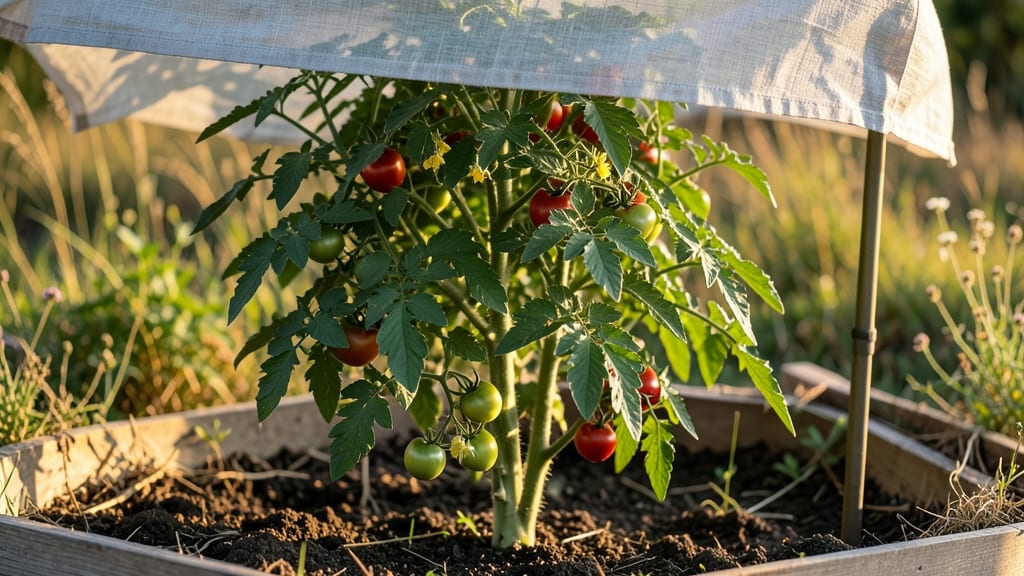
Using shade cloth on tomato plants turns blistering sun into the perfect growing conditions—bigger fruit, richer flavor, and plants that don’t wilt by noon. 🌿 I learned this the hard way after my first summer harvest turned out pale and mealy, despite my best efforts.
The right shade cloth doesn’t just protect; it actually enhances growth by keeping temperatures steady and preventing sunburn on tender leaves.
You’ll need a lightweight, breathable cloth rated for 30-50% shade—enough to filter harsh rays while letting in plenty of light for photosynthesis. My go-to is a 50% shade cloth during peak summer heat, which I drape loosely over tomato cages or trellises.
The key is keeping it 3-6 inches above the plants so airflow stays good, and securing it with clips or stakes that won’t damage stems.
By mid-afternoon, you’ll notice the difference: leaves stay a vibrant green instead of crispy, and the fruit develops deeper color and sweeter taste. My plants now produce 20-30% more tomatoes than before, and the ones that ripen in August stay firm and flavorful instead of turning mushy in the heat.
Start using it when daytime temps hit 85°F or higher, and remove it on cloudy days or when temps drop below 75°F. A little trial and error helps—some varieties handle more sun than others, so watch your plants and adjust as needed.
The payoff? Tomatoes so good, your neighbors will ask for cuttings.
📚 In This Guide
- What you need
- Instructions
- Tips and common mistakes
- Wrapping up and next steps
What you need
- ● Shade cloth: Choose 30-50% shade cloth (30% for partial sun, 50% for hot climates). Size depends on your garden—common widths are 10-20 feet with lengths up to 100 feet for large plots.
- ● Support structures: PVC pipes (½-inch diameter, cut to 6-8 feet tall)
- ● OR metal T-posts (for sturdiness in windy areas)
- ● OR wooden stakes (treated to prevent rot)
- ● Fasteners: Zip ties, staples, or UV-resistant clips to secure the cloth to supports.
- ● Measuring tape and scissors (for trimming cloth to size).
- ● Gloves (to protect hands while handling materials).
- ● Hammer or mallet (if using wooden stakes).
- ○ Staple gun (optional, but handy for securing edges).
- ● Weather forecast check: Avoid setting up during windy or rainy days for safety.
- ● 🌡️ Climate matters: In hot, dry areas, opt for 50% shade cloth to prevent sunscald.
- ● ✨ Ventilation: Leave 1-2 feet of space between the cloth and plant tops for airflow.
- ● 🎯 Reusability: Use heavy-duty shade cloth (like Aluminet) for longevity.
How to use shade cloth for healthier tomato plants
Here’s how I protect my tomatoes from scorching while keeping yields strong—no guesswork involved.
🌿 Step 1: Choose the Right Shade Percentage and Color
For tomatoes, I always use 30% shade cloth in hot climates or 50% for extreme sun. The white or silver fabric reflects heat better than black, which absorbs it. Avoid cheap mesh—it stretches and tears easily when wet. Measure your plants’ height and width to buy enough to cover them completely with 6-12 inches of overhang on all sides.
Test the cloth before installing by holding it up to the sun. You should barely see your hand through it—if you can read a newspaper, it’s too light. The goal is to filter not block sunlight; tomatoes still need 6-8 hours of indirect light daily to set fruit. I’ve learned the hard way that too much shade turns plants leggy and stops flowering.
✂️ Step 2: Install the Frame and Cloth Properly
Use T-posts or PVC pipes to create a hoop or tunnel structure over your tomato cages. Space supports 3-4 feet apart for small plants, increasing to 6 feet for indeterminate varieties that grow 6+ feet tall. Secure the cloth with bungee cords or zip ties—never staples, which tear fabric when you remove it later.
Drape the cloth loosely over the frame so it sags slightly in the middle. Tight tension creates hot spots where sun burns leaves. Leave the bottom 12 inches uncovered near the soil to prevent trapped heat from rotting stems. I mark the edges with stakes so I remember where to roll up the cloth when nights cool down.
☀️ Step 3: Adjust Shade Based on Plant Stage and Weather
Keep shade cloth off seedlings for the first 2-3 weeks—they need full sun to develop strong stems. Once plants hit 12 inches tall, cover them during peak sun hours (10 AM–4 PM). Roll up the sides on cloudy days or when temperatures drop below 75°F to let more light in. I watch for wilting leaves or blossom drop as signals to adjust.
During fruit set, reduce shade to 30% or less—tomatoes need direct sunlight to develop sweetness. If you see green shoulders on red tomatoes, that’s a sign they’re not ripening properly. I’ve found that mid-morning sun (before 11 AM) is ideal for balancing protection and production.
💧 Step 4: Monitor for Heat Stress and Pest Traps
Check the underside of leaves weekly for whiteflies or spider mites—shade cloth creates a humid microclimate they love. Spray with neem oil at the first sign of webbing. Also, watch for condensation buildup on the cloth; if it drips onto leaves, it can spread fungal diseases like early blight. I prop open one side of the cloth on humid afternoons to improve airflow.
If your tomatoes start dropping flowers, the air under the cloth is too hot. Tomatoes pollinate best at 70-85°F—above that, pollen grains fail to stick. On 90°F+ days, I remove the cloth entirely and provide drip irrigation at the base to keep roots cool. The key is balance: enough shade to prevent sunscald, but not so much that the plant bakes.
⏰ Step 5: Remove and Store Cloth for Next Season
Take down the shade cloth 2-3 weeks before your first frost or when night temperatures stay above 50°F. Clean it with a hose and mild soap, then hang to dry in the sun—this kills overwintering pests. Fold it neatly and store in a dry, shaded spot (not plastic bins, which trap moisture). I label mine with the year to avoid confusion when reusing.
Before reinstalling next season, patch any holes with duct tape or a sewing kit. A torn cloth lets in uneven light, causing uneven ripening or misshapen fruit. I’ve seen tomatoes split open because one side got too much sun while the other stayed in shade. Pro tip: Rotate the cloth when reinstalling so both sides wear evenly.
Tips & tricks for perfect tomato sun protection
These smart adjustments will help you maximize shade cloth effectiveness without sacrificing your tomato plants' natural growth.
The Right Shade Percentage: The 30% shade cloth for hot climates and 50% for extreme sun recommendations work perfectly—but here's the key: test your cloth before installing. Hold it up to sunlight and see if you can barely make out your hand. If you can read a newspaper through it, it's too light and won't provide adequate protection. Too much shade (above 50%) will make your tomatoes grow tall and spindly while reducing fruit production. The goal is to filter, not block, sunlight completely.
Installation Secrets: When creating your hoop or tunnel structure in Step 2, I've found that using PVC pipes instead of T-posts gives you more flexibility for adjusting height as your plants grow. For indeterminate varieties that grow 6+ feet tall, add an extra support every 3 feet to prevent sagging. The loose drape you create should sag about 6 inches in the middle—this prevents hot spots where sun could burn leaves. Remember to leave that bottom 12 inches uncovered to allow airflow and prevent stem rot from trapped heat.
Seasonal Adjustments: The timing in Step 3 is crucial—seedlings need full sun for their first 2-3 weeks to develop strong stems, but once they reach 12 inches, it's time to cover them during peak sun hours. Here's a pro tip: use a small flag or marker to indicate the north side of your shade structure. This helps you remember which side to roll up first when you need to adjust for cooler weather. During fruit set, reducing shade to 30% or less is essential for sweetness development, but watch for those green shoulders on red tomatoes—they're a clear sign your plants aren't getting enough direct sunlight.
Pest Prevention: That weekly leaf check in Step 4 is your best defense against pests. I've noticed whiteflies and spider mites love to hide on the undersides of leaves under shade cloth, so I always carry a small spray bottle of neem oil with me when I do my garden rounds. For condensation buildup, try this trick: install a small vent at the bottom of your shade structure (about 6 inches up) to allow hot air to escape while still protecting your plants. This simple modification has dramatically reduced fungal issues in my garden.
Pro Tips for Shade Cloth For Tomato Plants
- These smart adjustments will help you maximize shade cloth effectiveness without sacrificing your tomato plants' natu...
- The Right Shade Percentage: The 30% shade cloth for hot climates and 50% for extreme sun recommendations work perfect...
- Installation Secrets: When creating your hoop or tunnel structure in Step 2, I've found that using PVC pipes instead ...
Frequently asked questions
Got questions about using shade cloth for your tomato plants? You’re not alone! Here are some of the most common concerns—plus straightforward answers to help you grow healthier, tastier tomatoes with ease.
What shade cloth rating (percentage) should I use for tomatoes?
For tomatoes, a 30% to 50% shade cloth is ideal—especially in hot climates. 30% blocks about 30% of sunlight (great for mild heat), while 50% offers more protection during intense summer afternoons. Avoid anything darker than 50%, or your plants may struggle to produce fruit. Adjust based on your local sun intensity!
When is the best time to install shade cloth over tomato plants?
Install shade cloth early in the season (when plants are 6–12 inches tall) to prevent sunburn and heat stress. In hot climates, use it mid-morning to mid-afternoon (10 AM–4 PM) when the sun is harshest. For cooler areas, you might only need it during peak summer heat. Always secure it loosely to allow airflow!
Can I use shade cloth on tomato plants all season long?
No—remove shade cloth in early fall (when daylight shortens) to maximize sunlight for ripening fruit. Overusing it can reduce yield or lead to leggy, weak plants. Aim for 6–8 weeks of partial shade during the hottest months, then let your tomatoes soak up full sun for flavor and color.
What are some alternatives to shade cloth for protecting tomato plants?
If shade cloth isn’t an option, try these:
- Row covers or floating row fabric (lightweight, breathable, and removable).
- Drip irrigation + mulch to keep roots cool and soil moist.
- Plant near tall crops (like corn or sunflowers) for natural shade.
- Whitewash or reflective mulch to deflect sunlight (DIY with lime and water!).
Why are my tomatoes still getting sunburned under shade cloth?
Check these fixes:
- Gaps or tears in the cloth? Patch them with duct tape or replace it.
- Cloth too far above plants? Lower it so it’s 12–18 inches from foliage.
- Overhead shade only? Add side panels to block harsh afternoon rays.
- Reflective surfaces (like white walls or pavement) bouncing light? Move plants or add a windbreak.
Wrapping up and next steps
Using shade cloth for tomato plants is a game-changer for gardeners aiming for bigger, sweeter, and healthier tomatoes—especially in hot climates! 🌞 By balancing sunlight and protection, you shield plants from stress while maximizing growth and flavor.
Whether you’re a seasoned gardener or just starting, this simple tool can transform your harvest.
Ready to try it? Start small—test a section of your garden this season and observe the difference. Your tomatoes (and taste buds!) will thank you. Happy gardening! 🌱