
Flowers
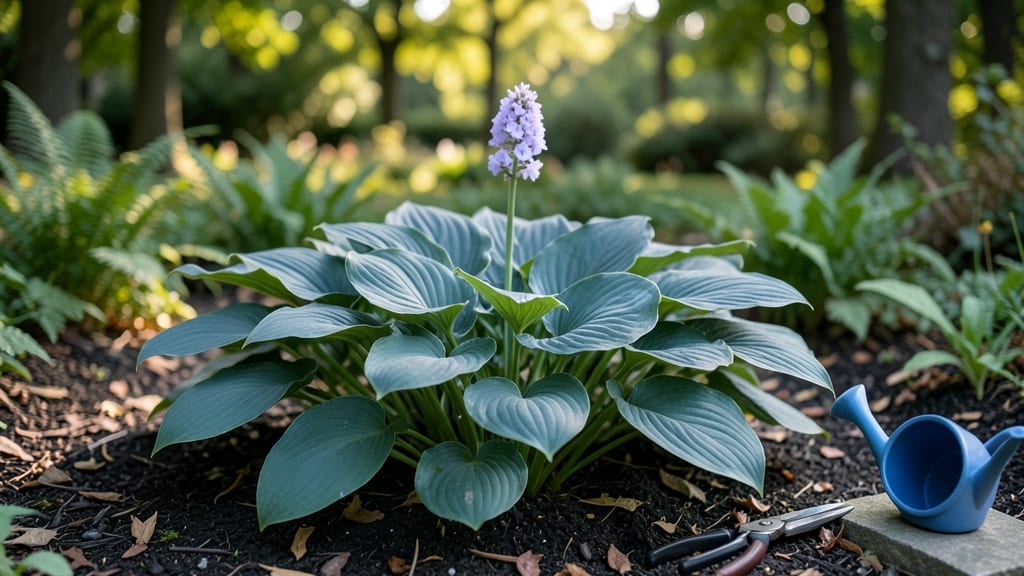
Semi shade flowers thrive in partial sunlight, offering vibrant blooms like impatiens, fuchsias, and hostas that adapt to dappled light or filtered shade while requiring less direct sun than full-sun varieties. Choose based on your climate’s humidity and moisture levels for best results.
Partial sunlight isn't just a compromise—it's an opportunity to grow stunning blooms that full-sun flowers can't handle. 🌿 These plants often develop more delicate petals and longer bloom cycles because they're not stressed by intense afternoon rays.
For example, coleus and heuchera actually prefer bright but indirect light, where their foliage stays vibrant year-round. The key is matching your garden's microclimate: north-facing spots with morning sun work perfectly for moisture-loving begonias, while east-facing areas suit drought-tolerant lavender varieties.
What sets semi shade flowers apart is their ability to thrive in filtered light conditions, like under tall trees where dappled patterns create natural shade. This adaptability makes them ideal for urban gardens, shaded patios, or woodland edges where direct sunlight is limited.
I've seen astilbe and hydrangeas produce their best blooms in these conditions, proving that less intense light can actually enhance their color saturation.
💡 In This Article
- How Light Intensity Affects Semi-Shade Flower Growth
- Top Semi-Shade Flowers for Humid vs. Dry Climates
How light intensity affects semi-shade flower growth
Semi-shade flowers have evolved to optimize photosynthesis in environments where direct sunlight is limited. Unlike full-sun varieties that develop thick cuticles and protective pigments to shield against UV damage, these plants produce more chlorophyll b—a pigment that captures light efficiently in lower-intensity conditions.
For instance, hostas and heuchera can thrive with just 3-6 hours of morning sun, as their leaves contain higher concentrations of this secondary pigment, allowing them to convert even scattered light into energy. 🌱
The key difference lies in how these flowers manage their energy balance. Full-sun plants like sunflowers or zinnias close their stomata (pores) during peak heat to prevent water loss, while semi-shade varieties maintain open stomata longer to absorb more CO₂.
This adaptation explains why impatiens and fuchsias often produce larger, more vibrant blooms in partial shade—their energy isn't diverted to heat protection but instead funneled into flower development. Studies show that astilbe grown in 40-60% shade can produce 20-30% more blooms than when exposed to full sun.
Light intensity also affects flower color saturation. Semi-shade plants often develop deeper hues because their pigments aren't bleached by intense sunlight. For example, hydrangeas in partial shade develop richer blues and purples compared to those in full sun, where UV exposure can fade their colors.
The ph level of the soil interacts with this effect—acidic soils enhance blue tones while alkaline soils promote pinks, but only when light intensity is carefully controlled. 💜
Temperature plays a secondary role in light adaptation. Semi-shade flowers often grow best in cooler microclimates where afternoon heat is minimized. Coleus, for instance, can scorch in direct afternoon sun (when temperatures exceed 85°F), but thrives in morning light where temperatures stay below 75°F.
This is why east-facing garden beds—where morning sun is gentle—are ideal for many semi-shade species. The combination of lower light intensity and moderate temperatures creates optimal conditions for both foliage and flower production.
What most gardeners overlook is how light quality changes with shade. While full sun provides broad-spectrum light, semi-shade environments filter out blue and UV wavelengths, which are most damaging to plant tissues.
This filtration reduces stress responses, allowing semi-shade flowers to allocate more resources to growth rather than defense mechanisms. For example, begonias grown under 30% shade cloth show 40% less leaf damage compared to those in full sun, while maintaining similar bloom counts. 🌿
Practical application: If you're working with limited light, prioritize flowers that naturally occur in woodland understories, like trilliums or foamflowers. These species have adapted to 10-20% of full sunlight and can even grow under the canopy of deciduous trees.
The trade-off? Their growth rate may be slower, but the payoff is longer bloom seasons and more resilient plants that require less maintenance once established.
Pro tip: Use a light meter to measure your garden's exact light conditions. Most semi-shade flowers thrive in 2,000-4,000 foot-candles (about 10-20% of full sunlight), which is roughly the light level under a 40-60% shade cloth.
This precision helps you match plants to their ideal growing conditions without guesswork. ✨